The European Commission has published new guidelines to help Europe's vast network of protected natural areas become a model for sustainable tourism, without compromising the wildlife and habitats they were created to protect.
EU Unveils New Guidelines To Promote Sustainable Tourism In Protected Areas
New guidelines aim to balance tourism growth with nature conservation across Europe's Natura 2000 network

Advertisement
Released on July 14, the guidance focuses on the Natura 2000 network, which includes more than 27,000 protected sites spread across European Union member states. Together, these sites cover nearly one-fifth of the EU's land area and over 10 per cent of its marine territory.
Unlike strictly protected reserves, Natura 2000 sites are designed to support both conservation and carefully managed economic activities. Tourism is one of them, provided it does not harm the ecosystems these places are meant to preserve.
Why Sustainable Tourism Matters
Tourism plays a major role in Europe's economy. In 2024, the sector contributed around EUR 807 billion, or 7.1 per cent of the EU's gross value added, and supported more than 20 million jobs.
Protected areas are an important part of that picture. Visitor spending at Natura 2000 sites generates an estimated EUR 50 billion to EUR 85 billion every year and supports up to 2 million full-time jobs, particularly in rural, coastal and mountain regions where tourism is often a key source of income.
Advertisement
The Commission says these figures show that protecting nature and supporting local economies do not have to be competing goals. With the right planning, the two can work together.
The guidelines also highlight the rapid rise of ecotourism. Since the early 1990s, this form of responsible travel, which focuses on conserving nature while benefiting local communities, has been growing at an annual rate of up to 34 per cent, much faster than the wider tourism industry.
The Challenge Of Too Many Visitors
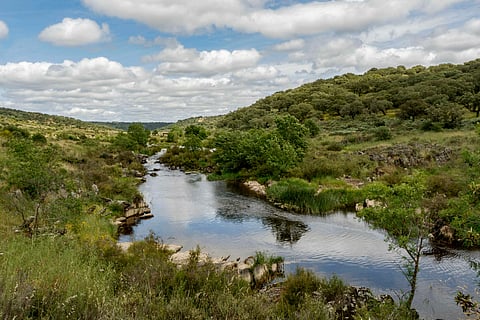
Riverside woodland within Spain's Natura 2000 network at Almonte Natural Park, Extremadura Shutterstock
While protected areas attract travellers looking for nature and wildlife, they also face a growing challenge. The better a destination is managed and promoted, the more visitors it draws. If those numbers are not managed carefully, they can put pressure on the very landscapes and species that people come to experience.
The Commission describes this as a "conservation paradox."
Heavy visitor traffic can lead to habitat damage, disturbance to wildlife, pollution, overcrowding and pressure on local resources. The new guidance is intended to help site managers avoid these problems before they become serious.
Advertisement
A Four-Step Approach
The guidelines recommend a practical framework for managing tourism in protected areas.
The first step is to identify the pressures, risks and possible benefits linked to tourism. Managers are then encouraged to assess how many visitors an area can realistically support without damaging its ecosystems.
The guidance also stresses the importance of better communication with visitors. Information campaigns, guided walks, citizen science programmes and digital tools can all help people understand why these places need protection and how they can visit responsibly.
Finally, authorities are encouraged to introduce suitable management measures based on local conditions, whether that means regulating visitor numbers, improving infrastructure or creating clear visitor plans.
Working Together For Conservation
The Commission says successful sustainable tourism depends on collaboration. Local authorities, tourism businesses, conservation organisations, and nearby communities all have a role to play in managing these destinations responsibly.
The guidelines are also intended to support the EU's broader environmental goals, including the EU Biodiversity Strategy for 2030, by helping member states protect biodiversity while continuing to create jobs and economic opportunities.
Advertisement
As demand for nature-based travel continues to grow, the Commission hopes the new guidance will help ensure Europe's most valuable landscapes remain healthy, accessible and resilient for generations to come.
(With inputs from various sources)
FAQs
1. What is the Natura 2000 network?
Natura 2000 is the European Union's network of protected areas designed to conserve important habitats and wildlife while allowing sustainable human activities.
2. Why has the EU introduced new sustainable tourism guidelines?
The guidelines aim to help protected nature sites balance increasing visitor numbers with biodiversity conservation and support local economies through responsible tourism.
3. How many sites are part of the Natura 2000 network?
The Natura 2000 network includes more than 27,000 protected sites across European Union member states.
4. What challenges do protected tourism sites face?
Growing visitor numbers can lead to habitat degradation, wildlife disturbance, pollution, overcrowding and increased pressure on local resources if not managed carefully.
5. How do the new guidelines support sustainable tourism?
They recommend assessing visitor capacity, engaging local communities, educating visitors and implementing destination-specific management plans to protect ecosystems while supporting tourism.
Advertisement

Published At: