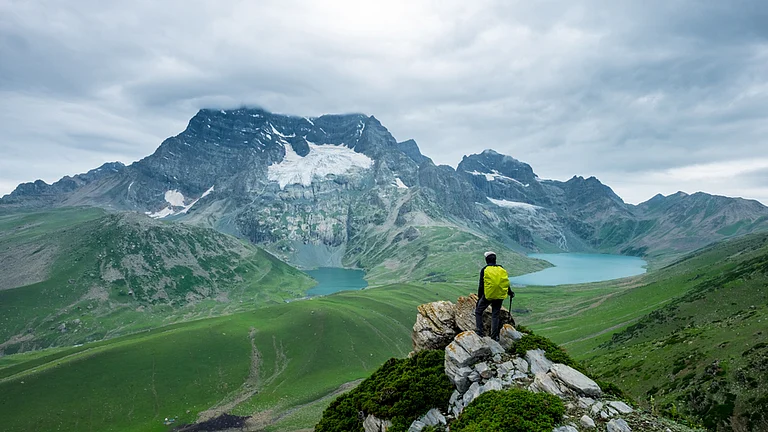


Northern India witnessed an uneven spread of winter conditions on Sunday, as snowfall in the upper regions and rainfall in the plains led to a rise in minimum temperatures in Jammu and Kashmir, while Punjab and Haryana remained in the grip of cold day conditions and fog continued to disrupt visibility in parts of Delhi and Uttar Pradesh.
Heavy Snowfall Forecast
The India Meteorological Department (IMD) has forecast heavy snowfall and rainfall, along with snowstorms at isolated locations in the higher reaches of Jammu and Kashmir, Ladakh and north-eastern Himachal Pradesh till Monday.
In the national capital, a day after recording the coldest December day of the season, the minimum temperature stood at 9.4 degrees Celsius — 1.3 degrees above the seasonal average — while the maximum temperature was recorded at 18.1 degrees Celsius, the IMD said.
Fog Disrupts Flights As Temperatures Remain Low
The India Meteorological Department (IMD) has predicted moderate fog over the national capital on Monday, with temperatures expected to hover around 21 degrees Celsius during the day and 9 degrees Celsius at night. At Palam, visibility fell sharply to 300 metres between 10 pm and 12:30 am due to the fog, before improving to 600 metres as it became shallow, the IMD reported.
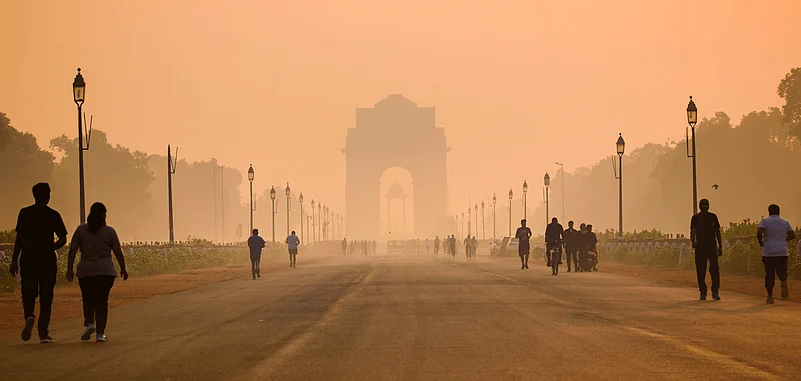

Poor visibility on Sunday caused major disruptions to air traffic, resulting in the cancellation of over 105 flights and delays to more than 450 services at Delhi airport. Officials from the Airport Authority of India also confirmed that at least 11 flights were cancelled at Srinagar International Airport due to adverse weather.
Chillai-Kalan Sets In
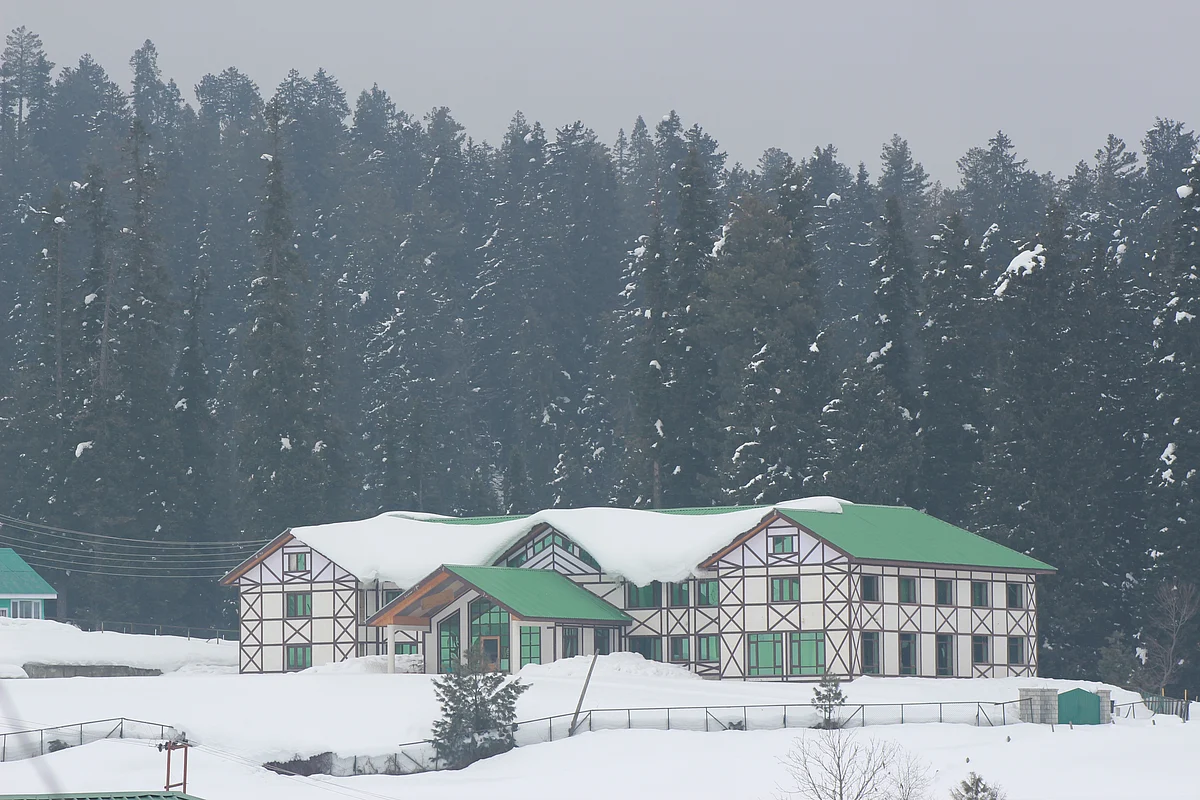
Fresh snowfall ushered in Chillai-Kalan, the harshest 40-day winter in Jammu and Kashmir from December 21 to January 30. Srinagar recorded a minimum of 4°C on Sunday, six degrees above normal, marking the warmest night of the season so far. Snowfall was reported in high-altitude areas, including nearly two inches at Gulmarg, continuing through the day in Sonamarg, and six inches at Sadhna Top since Saturday night. Light rain also lashed Srinagar and surrounding regions, ending a prolonged dry spell that had triggered seasonal ailments among children and the elderly. Locally, the first-day precipitation is seen as a positive omen for a snow-rich winter, after last year’s dry spell had caused hardship and affected tourism.
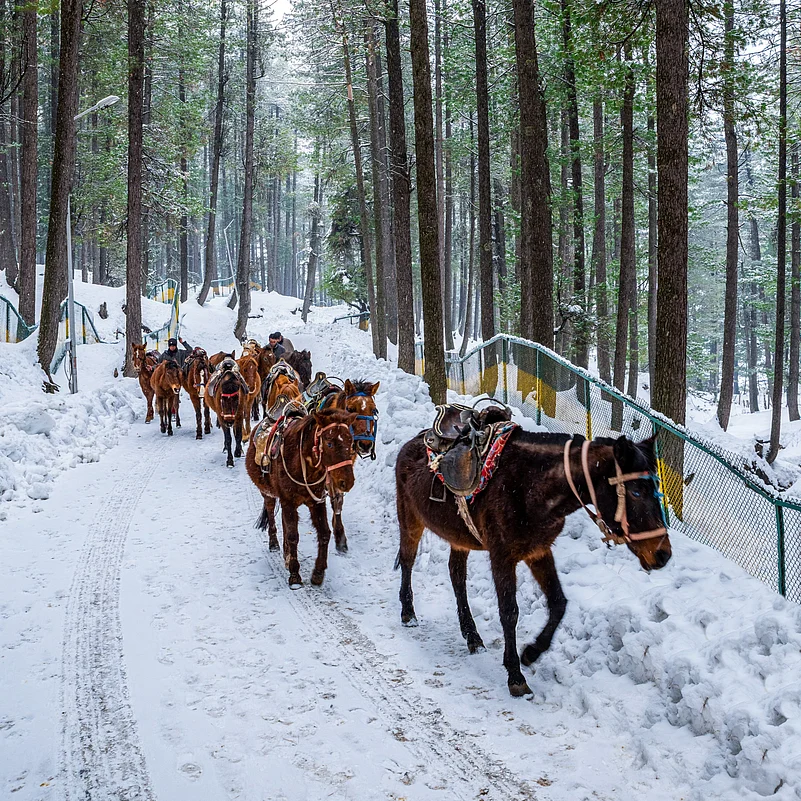
Intermittent light rain lashed Srinagar and other parts of the valley overnight, ending a prolonged dry spell that had triggered a rise in seasonal ailments such as coughs and colds, particularly among children and the elderly. Locally, the rainfall and snowfall on the first day of Chillai-Kalan are considered a positive omen, often signalling a snow-rich winter. Last year’s dry winter had caused widespread hardship for residents and hit tourism in the region.
Moderate To Severe Snowstorms In North Indian Regions
In Himachal Pradesh, the IMD has warned of moderate to severe snowstorms at isolated locations in Kinnaur and Lahaul-Spiti, with light to moderate precipitation expected in Chamba. Dense fog is likely in parts of Una, Bilaspur (Bhakhra dam area) and Mandi’s Balh valley during late-night and early-morning hours on December 21 and 22.
Meanwhile, winter conditions intensified across Punjab and Haryana, where a thick blanket of fog covered several areas, further reducing visibility and heightening the cold.
(With inputs from PTI.)
FAQs
Why has visibility been so low in Delhi and nearby regions?
Dense fog has enveloped Delhi, Punjab, and Haryana, reducing visibility at airports and on roads. In Palam, visibility dropped to 300 metres before improving slightly.
How has the weather affected air travel?
Poor visibility and fog led to over 105 flight cancellations and delays to more than 450 services at Delhi airport. Srinagar International Airport also saw at least 11 flight cancellations.
Which areas in Kashmir and Himachal Pradesh received snowfall?
In Kashmir, snowfall was reported in Gulmarg, Sonamarg, and Sadhna Top. In Himachal Pradesh, Kinnaur and Lahaul-Spiti may experience moderate to severe snowstorms, with Chamba seeing light to moderate precipitation.
What are the health implications of this weather?
After a prolonged dry spell, seasonal ailments like coughs and colds have increased, especially among children and the elderly. Rain and snow are expected to improve air quality and bring relief.