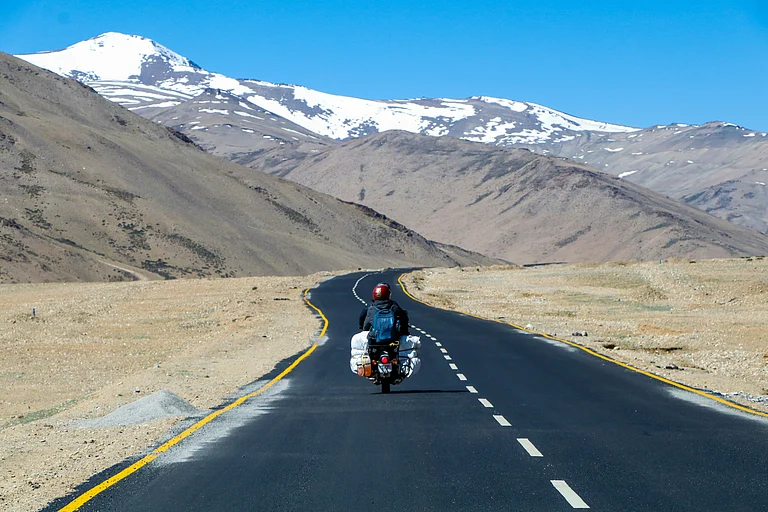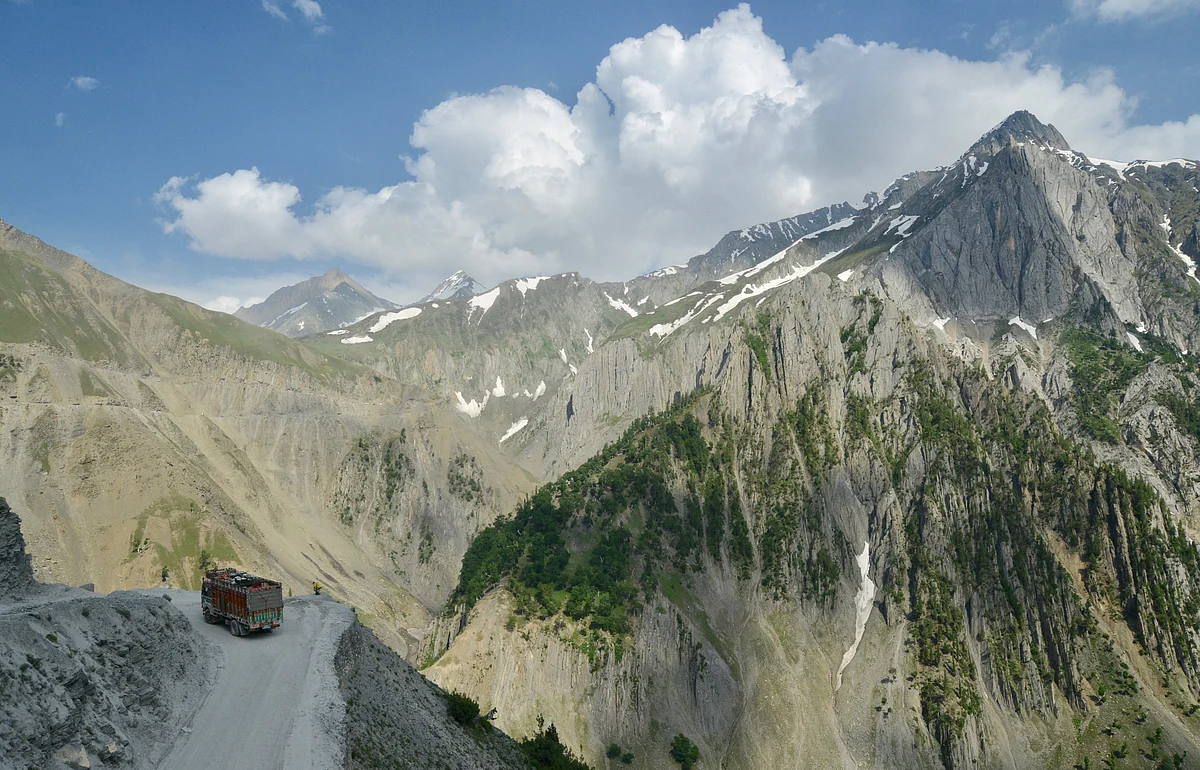
Seven people lost their lives and five sustained injuries after a series of avalanches swept across the Srinagar–Leh National Highway on Friday afternoon, officials confirmed. Several vehicles—estimated to be nearly a dozen—were trapped beneath heavy snow when the slides hit the stretch between Zero Point at Zoji La Pass and Minimarg.
Rescue Efforts Ongoing
Authorities said rescue efforts were launched soon after. Ladakh Lieutenant Governor VK Saxena stated that he was personally overseeing the situation as it unfolded.
"Heard the unfortunate news of an avalanche at Zoji La. I have directed the DC & SSP of Kargil to visit the spot immediately and mobilise relief and rescue operations. All government agencies including disaster relief forces and BRO (Border Roads Organisation) have been put on high alert. I am personally monitoring the situation," he said in a post on X.
Rescue efforts have gathered pace with more than 100 personnel from the police, Army, SDRF and Border Roads Organisation deployed to the site. Teams are working in from both the Sonamarg and Drass directions, though their movement has been slowed by treacherous terrain and a build-up of stranded traffic along the highway. Snow-clearing machinery has been brought in to cut through the debris, while Army ambulances remain on standby. Authorities at both the Centre and in the region are keeping a close watch on the situation and have conveyed their sympathies to the affected families.
Union minister Jitendra Singh confirmed the fatalities in a post on X, expressing grief over the loss of seven lives and injuries to five others after the avalanche struck vehicles near Zoji La Pass. He extended his condolences to the bereaved families and said that all necessary assistance was being provided to those injured.
Risk Status
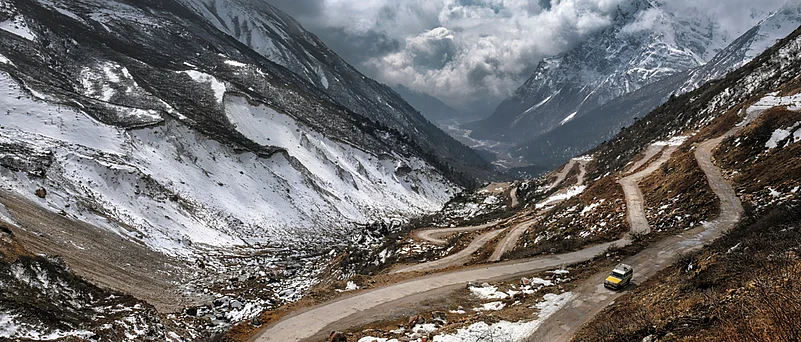

The stretch between Zero Point and Minimarg is highly vulnerable to heavy snow and sudden slides, particularly on steep terrain. The area is famously known as the "Mountain Pass of Blizzards" due to extreme winter conditions, resulting in high susceptibility to natural snow slides.
The risk arises from unstable snowpack. Large volumes of snow in early spring create dangerous conditions. Plus, there are rapid weather shifts. Sudden snowstorms and rising temperatures increase instability. Then there is the high altitude. At approximately 11,575 feet, the area is prone to severe weather.
Travellers should avoid unnecessary trips, follow advisories from the Border Roads Organisation (BRO) and local police, and avoid traveling in the afternoon when the risk is higher.
With inputs from PTI
FAQs
Where did the incident take place?
The affected stretch lies between Zero Point at Zoji La Pass and Minimarg, a high-altitude corridor long regarded as vulnerable to severe winter hazards.
How are rescue operations being conducted?
More than 100 personnel from the Army, police, SDRF and Border Roads Organisation have been mobilised. Teams are approaching from both the Sonamarg and Drass sides, supported by specialised snow-clearing equipment and emergency medical services.
Why is the Zero Point–Minimarg stretch considered dangerous?
This section of the highway runs across steep, high-altitude terrain that is especially prone to heavy snowfall and sudden avalanches.
What factors contribute to avalanche risk in this area?
The danger largely stems from an unstable snowpack. In early spring, the build-up of snow, combined with rising temperatures and sudden weather changes, can weaken snow layers and trigger slides.
What precautions are advised for travellers?
Authorities have urged people to avoid non-essential travel, adhere strictly to advisories issued by the Border Roads Organisation and local police, and refrain from travelling during the afternoon, when avalanche risk tends to increase.