If Edinburgh is on your travel list this year, there is one new expense worth factoring into your budget before you book your stay. The Scottish capital has officially become the first city in Scotland, and the first to introduce a city-wide visitor levy under Scotland's new legislation, meaning most travellers staying overnight will now pay an additional five per cent on the cost of their accommodation.
The new charge came into effect on July 25, 2026, just as Edinburgh gears up for its busiest time of the year. Every August, millions of visitors descend on the city for its world-famous festival season, when the Edinburgh Festival Fringe, Edinburgh International Festival, Edinburgh Art Festival, Edinburgh International Book Festival, Edinburgh International Film Festival and the Royal Edinburgh Military Tattoo transform the city into one of Europe's biggest cultural hubs. With visitor numbers continuing to grow, local authorities say the levy will help maintain the city's infrastructure and visitor experience without placing the financial burden solely on residents.
What Changes
Officially known as the Edinburgh Visitor Levy, the tax adds five per cent to the accommodation cost before VAT. It applies to paid overnight stays across a wide range of accommodation, including hotels, guest houses, bed and breakfasts, serviced apartments, self-catering properties, holiday lets, hostels, campsites and licensed short-term rentals such as Airbnb. The levy also extends to permanently moored boats and barges that offer accommodation, caravan parks and even student accommodation when it is rented outside the academic year.
The charge is calculated only on the accommodation cost and does not apply to additional services such as breakfast, meals, drinks, parking, spa treatments or transport. Importantly, it is capped at the first five nights of a stay. That means a room costing GBP 100 per night for five nights will attract a GBP 25 levy, bringing the accommodation bill to GBP 525. Someone staying for 10 nights at the same rate would still pay tax only on the first five nights, resulting in a total bill of GBP 1,025 instead of GBP 1,050.
The levy applies regardless of where visitors come from. International tourists, UK residents and Scottish residents staying overnight in Edinburgh are all treated equally under the new rules. However, those visiting the city for the day without booking overnight accommodation will not have to pay the tax.
Who Is Exempt
While the levy applies broadly, there are a few exceptions. Travellers whose accommodation bookings were fully or partially paid for before October 1, 2025, are exempt, provided their stay begins after the levy comes into force. The exemption was introduced to ensure travellers who booked well in advance are not unexpectedly charged an additional fee.
Certain groups are also exempt under Scotland's visitor levy legislation. These include people housed in emergency accommodation due to homelessness or domestic abuse, individuals temporarily rehoused because of unsafe living conditions, some recipients of disability-related benefits, as well as asylum seekers and refugees. In several of these cases, the levy may initially be charged before eligible individuals can reclaim it through the prescribed process.
Edinburgh's decision follows the Visitor Levy (Scotland) Act 2024, which gave local councils the authority to introduce their own tourism taxes. The city approved the scheme in early 2025, making it the first Scottish local authority to implement the legislation.
Funding The City
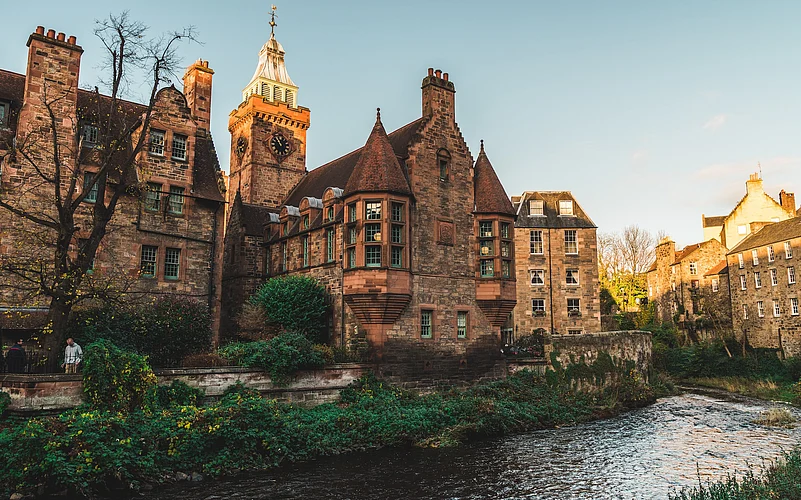

The City of Edinburgh Council estimates the levy will generate between GBP 45 million and GBP 50 million annually by the 2028-29 financial year. Under the legislation, the money must be reinvested in facilities and services that are substantially used by visitors.
Several projects have already been earmarked for funding. Plans include investment in affordable housing, improvements to public spaces such as Hunter Square, Cramond and Portobello, upgrades to public toilets, restoration work at Leith Theatre and support for the long-running redevelopment of the Old Royal High School into a national music centre. Part of the revenue will also fund a dedicated city-centre policing unit to support Edinburgh's busy events calendar. Accommodation providers will receive reimbursement for part of the administrative costs involved in collecting and transferring the levy to the council.
Edinburgh also joins a growing list of destinations around the world that charge visitors an additional tourism fee. Cities including Amsterdam, Paris and Rome have long imposed tourist taxes, while countries such as Japan have introduced departure taxes to help fund tourism infrastructure. Elsewhere in the UK, Manchester introduced a visitor charge in 2023, followed by Liverpool in 2025. Glasgow is expected to implement a similar five per cent levy from January 2027, while Aberdeen is preparing to introduce its own visitor tax at a later date.
For travellers, the change may only add a modest amount to the overall cost of a holiday. But it signals a wider shift in how popular destinations are funding tourism, with visitors increasingly contributing directly towards maintaining the places they come to experience.
FAQs
1. What is Edinburgh's new tourist tax?
It is a 5 per cent visitor levy charged on the cost of eligible overnight accommodation.
2. Who has to pay the Edinburgh visitor levy?
Most travellers staying overnight in paid accommodation, including hotels, B&Bs, hostels and holiday rentals.
3. Is the tax charged for every night of my stay?
No. The levy applies only to the first five nights of your stay.
4. Are day visitors required to pay the tourist tax?
No. The levy only applies to overnight accommodation bookings.
5. Why has Edinburgh introduced the visitor levy?
The revenue will help fund infrastructure, public services, cultural projects and facilities used by visitors.