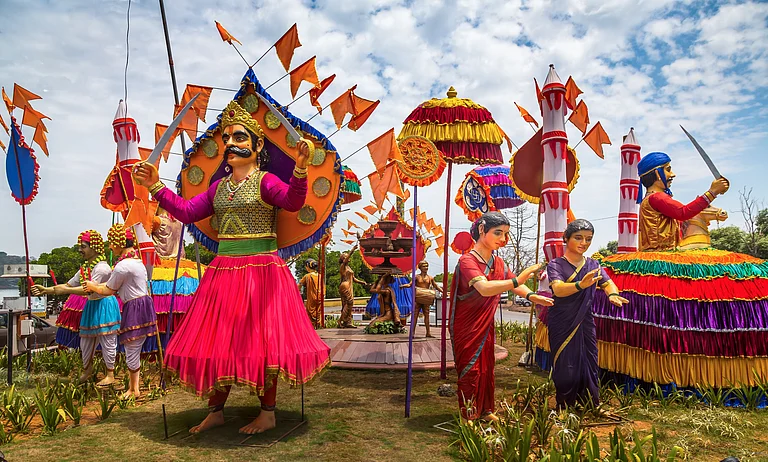


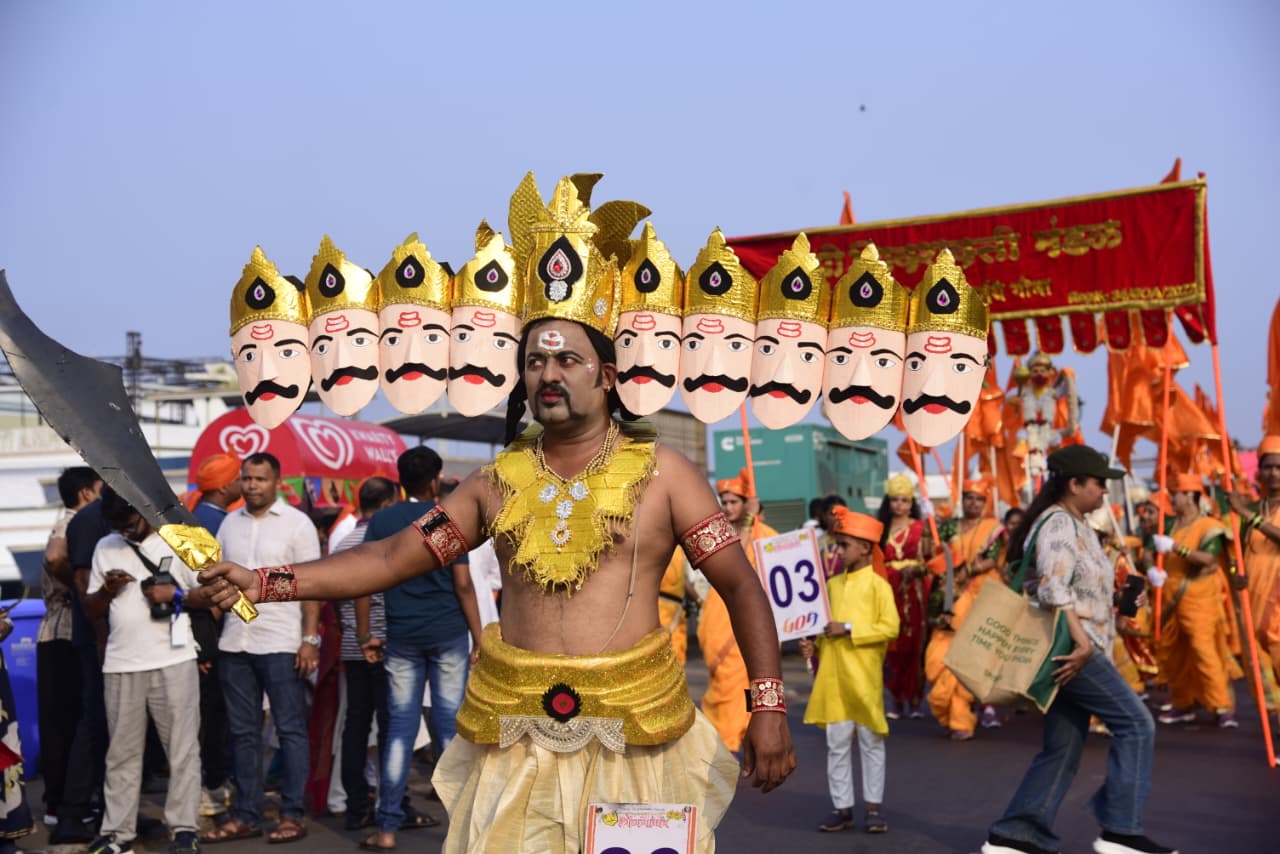
Panaji does celebrate festivals well. But on Sunday evening, the city seemed to glow a little brighter. Drums echoed through the streets. Behind ornate displays, folk dancers dressed in bright clothes gathered. Families filled the streets along the parade's route, with kids on shoulders and phones recording. As evening came to the capital, the yearly Shigmo parade started—moving slowly at first, then faster—changing the city into a place for Goa’s most popular celebrations.
The Department of Tourism, Government of Goa, put together the Shigmotsav 2026 float parade on March 7 and yet again, many locals and tourists witnessed the show.
Part performance, part storytelling, and entirely celebratory, the procession offered a vivid glimpse into Goa’s cultural traditions, the kind that rarely make it into glossy brochures about beaches and sunsets.
The parade was flagged off by Tourism Minister Rohan A. Khaunte in the presence of Kedar J. Naik, Chairman of the Goa Tourism Development Corporation (GTDC) and MLA from the Saligao constituency; Kedar Naik, Director of the Department of Tourism; along with officials from the Goa Tourism Department and members of the Panjim Shigmotsav Committee. The event forms part of the state-wide Shigmotsav celebrations organised annually by the Department of Tourism, bringing together folk artistes, cultural groups, and communities from across Goa. Their presence reflected the growing importance of Shigmotsav not just as a festival, but as a cultural showcase for the state.
Streets In Colour
Once the procession began, the mood shifted instantly. Music swelled. Drums grew louder. Panaji’s streets came alive.
One float followed another, each more elaborate than the last. Some depicted scenes from mythology. Others recreated moments from Goan folklore and rural life. Bright fabrics, papier-mâché figures, and dramatic lighting transformed each tableau into a moving story—the kind meant to be watched slowly, savoured, and applauded.
The heart of the parade was the performers. Cultural groups came from all over Goa, bringing lots of energy. Ghode Modni dancers showed great flair, recalling the martial roots of their dance. Romtamel groups made music, their steps filling the streets. Fugdi dancers spun in circles of laughter and color, as Goff dancers made hypnotic ribbon designs.
The audience couldn’t help but get caught up in the fun. The performances weren't just shows; they felt alive. Every step and drumbeat felt old and shared.
Tradition in Action
Shigmotsav has always been part of Goa’s culture. It is a spring festival of renewal, linked to warrior communities and village customs.
Over time, it has grown into a prominent cultural festival. The Panaji parade is now its main way of expression, uniting performers and groups from across Goa. The result is something remarkable. A celebration that feels at once deeply traditional and joyfully contemporary.
For many of the artistes who take part, the parade is more than performance. It is preservation. Folk dances such as Ghode Modni, Romtamel, Fugdi, and Goff are passed down through generations, often practised in village squares long before they reach a city stage. Events like the Shigmo parade also provide an important platform for local artistes and cultural troupes, strengthening community participation and helping keep these traditions alive.
Spirit Of Goa
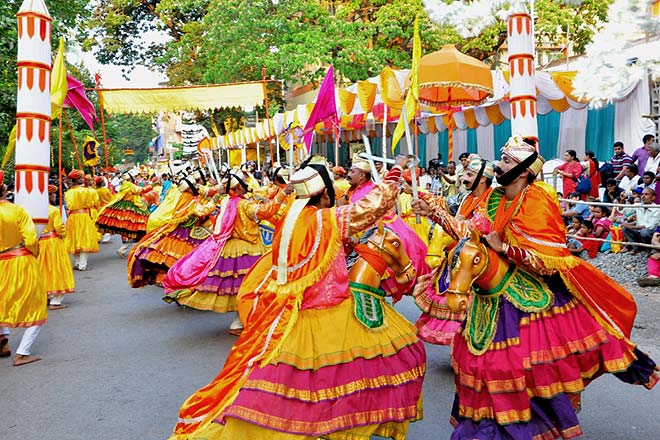

In recent years, Goa has been steadily expanding the way it presents itself to travellers. Beaches remain iconic, of course. But festivals like Shigmotsav reveal another side of the state—one defined by folklore, music, craft, and collective celebration. That shift was evident throughout the evening. Visitors mingled with locals. Cameras flashed constantly. Yet the heart of the event remained unmistakably Goan. Festivals like these are increasingly seen as an important part of Goa’s cultural tourism, presenting the state’s heritage and traditions to visitors in a more immersive way.
As the parade progressed and the final floats passed through the city, applause followed each performance. The music lingered in the air. Dancers, still energised, waved to the crowds as they moved along.
By the time the celebrations drew to a close, Panaji had spent hours wrapped in colour, rhythm, and storytelling. The celebrations ended on a high note, drawing appreciation from the audience and reaffirming Shigmo’s place as one of Goa’s most iconic and eagerly awaited festivals.
And for those who witnessed it, the Shigmo parade offered something rare—a reminder that festivals are not just events on a calendar. They are living expressions of identity, memory, and joy. In Goa, Shigmo continues to be exactly that.
FAQs
1. What is the Shigmo festival in Goa?
Shigmo is a traditional spring festival celebrated across Goa, featuring folk dances, cultural performances, and vibrant parades that reflect the state’s heritage.
2. Where is the Shigmo parade held in Panaji?
The parade takes place along major streets of Panaji, attracting large crowds who gather along the route to watch floats and performances.
3. What performances are seen during the Shigmo parade?
Traditional dances such as Ghode Modni, Romtamel, Fugdi, and Goff are performed by cultural troupes from across Goa.
4. Who organises the Panaji Shigmo parade?
The parade is organised annually by the Department of Tourism, Government of Goa, in collaboration with local committees.
5. Why is the Shigmo parade important for tourism?
The event highlights Goa’s cultural traditions and helps promote heritage tourism by showcasing local art forms and community participation.