If you are heading to Spain this year, you could be asked to prove that you have enough money to cover your stay. Border officials are entitled to carry out spot checks on arriving passengers and may request evidence of available funds. Under the current rules, you must be able to show access to at least EUR 122.10 for each day of your trip, with a minimum requirement of EUR 1,098.90 even if you are only visiting for a short break.
How Much Money Do You Need To Show?
Spain links its minimum financial requirements for visitors to the country's national minimum wage, meaning the figures can be updated from time to time. If you are asked to provide proof of funds at the border, these are the amounts you need to know:
Daily requirement: EUR 122.10 per person, for each day of your stay.
Minimum amount: EUR 1,098.90 per person.
Important to note: Even if you are only visiting for a few days, you may still be required to show that you have access to the full EUR 1,098.90 minimum. For example, a four-day city break would ordinarily amount to less than that figure based on the daily calculation, but the baseline threshold would still apply.

What Counts As Proof Of Funds?
If you are asked to show proof of funds, Spain accepts several different forms of evidence. These include:
Cash, either in euros or another recognised currency.
Bank statements showing your name and available balance. These should cover the previous three months where possible.
Credit cards, although officials may also ask for supporting paperwork showing your available credit.
Traveller's cheques.
Before you travel, it is worth making sure any financial documents are easy to access. Official bank statements, whether printed or downloaded directly from your bank, are generally the safest option. Screenshots from banking apps and informal bank letters may not be accepted if checks are carried out at the border.
Who Is Exempt From The Rules?
Not every traveller will be required to meet these financial requirements. You are generally exempt from providing proof of funds if any of the following apply:
You hold a valid residence permit issued by Spain or another EU member state.
You have authorisation to study in Spain or another EU country.
You are travelling with a valid diplomatic accreditation card.
You are registered as a cross-border worker.
For most holidaymakers and short-term visitors, however, the financial requirements remain in place, and proof may be requested during border checks.
Other Documents You May Be Asked To Show
Having proof of funds is only one part of Spain's entry requirements. Border officials may also ask to see documents confirming the purpose and length of your visit, including:
Proof of accommodation, such as hotel reservations, holiday rental bookings or an official invitation letter if you are staying with friends or relatives.
A return or onward travel ticket, showing plans to leave Spain before your permitted stay expires.
Valid travel insurance, with medical cover that applies throughout the Schengen Area.
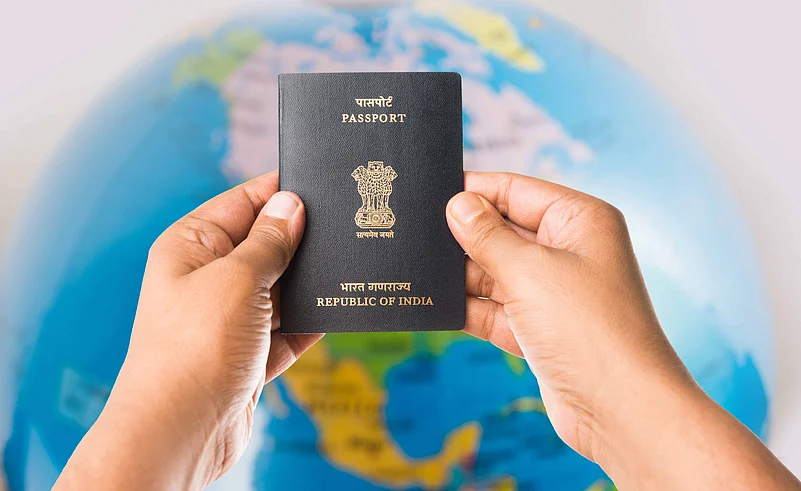
A passport that meets validity rules, with at least three months remaining before its expiry date after your planned departure from the Schengen zone.
Keeping digital and printed copies of these documents can help avoid delays if additional checks are carried out on arrival.
FAQs
Do I need to carry cash to enter Spain?
No. Cash is only one of several accepted ways to prove you have sufficient funds for your trip.
Can border officials ask for proof of funds?
Yes. Checks are carried out at random, and travellers may be asked to provide evidence that they meet Spain's financial requirements.
What is the minimum amount I need to show?
The current minimum threshold is €1,098.90 per person, even for short visits.
Will a bank app screenshot be accepted?
Not always. Official bank statements or other verifiable financial documents are generally considered a safer option.
Can I enter Spain without a return ticket?
Border authorities may ask for proof of onward or return travel, so it is advisable to have this documentation available before you travel.