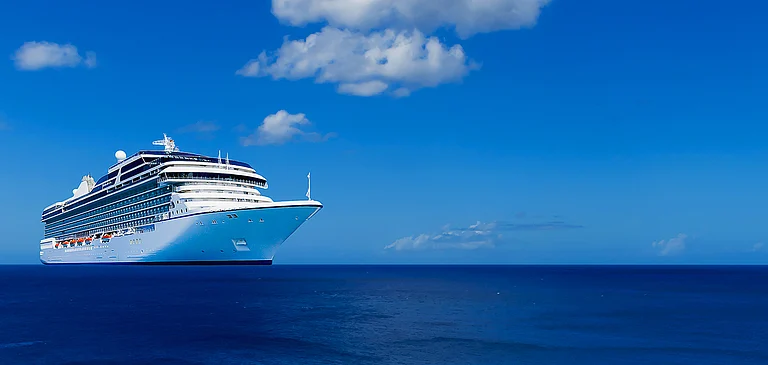


For days, the MV Hondius drifted somewhere between a public health emergency and a geopolitical coordination exercise. The Dutch-flagged expedition cruise ship, carrying around 150 passengers and crew from 23 countries, had become the centre of global attention after a deadly outbreak of the Andes strain of hantavirus was detected onboard. Now, anchored off Tenerife in Spain’s Canary Islands, the ship is finally emptying out as governments race to repatriate and quarantine those who may have been exposed.
Among them are two Indian crew members, whom the Indian Embassy in Madrid has confirmed are healthy and asymptomatic. The pair have since been evacuated to the Netherlands, where they are undergoing quarantine under international health safety protocols. Indian authorities, including the embassy and the Union Health Ministry, say the situation is being monitored closely, while experts continue to stress that the overall risk to the public remains low.
The evacuation operation itself has unfolded with the kind of logistical intensity usually reserved for major international crises. Passengers wearing medical protective suits and masks disembarked onto smaller transfer boats before being transported by secured buses to Tenerife airport. From there, charter flights, military aircraft, and government-arranged repatriation planes began taking citizens back to their respective countries under varying quarantine rules.
Global Response Intensifies
The outbreak aboard the Hondius has triggered one of the most closely watched cruise ship health emergencies since the COVID-19 era. Spanish authorities coordinated the evacuation alongside the World Health Organization (WHO), the European Centre for Disease Prevention and Control (ECDC), the US Centers for Disease Control and Prevention (CDC), and multiple national governments.
The Andes strain of hantavirus is particularly concerning because, unlike most hantaviruses, it carries a limited ability for human-to-human transmission. The virus is more commonly linked to exposure to infected rodent saliva, droppings, or urine, primarily in parts of South America. Health experts believe the original exposure may have occurred before passengers even boarded the ship, possibly during travel through Argentina or Chile, where the virus occurs naturally.
The Hondius had departed from Ushuaia, Argentina, in early April for a South Atlantic and Antarctic expedition. As passengers began falling ill during the voyage, alarm spread rapidly across international health agencies. At least three people—a Dutch couple and a German woman—have died, while several others reportedly developed symptoms consistent with hantavirus infection.
As the ship approached Europe, ports grew hesitant about accepting it due to containment concerns. Spain eventually agreed to receive the vessel in what officials described as a humanitarian decision, allowing evacuation and quarantine operations to begin under strict biosecurity protocols.
Quarantine Rules Differ


What happens next for passengers now depends largely on where they are headed. The WHO has recommended a 42-day quarantine and symptom monitoring period for everyone onboard, reflecting the virus’s long incubation window. However, implementation varies significantly from country to country.
In the United States, passengers are being flown to the University of Nebraska Medical Center, which houses one of the country’s specialised quarantine units for infectious diseases. Officials there have already confirmed that one evacuee has mild symptoms, while another has reportedly tested mildly PCR positive for the Andes strain. American authorities are also tracking several passengers who had earlier disembarked at Saint Helena in the South Atlantic before the full scale of the outbreak became apparent.
France has moved aggressively, placing all evacuees in strict isolation after one French national reportedly developed symptoms during repatriation. Greece, meanwhile, has imposed a mandatory 45-day hospital quarantine on one evacuee in a negative-pressure isolation chamber in Athens. Spain has transferred several of its citizens to military medical facilities in Madrid, while the UK is conducting medical assessments at Arrowe Park Hospital near Liverpool before determining longer-term isolation arrangements.
India’s approach has so far remained measured. The Indian Embassy in Spain confirmed that the two Indian nationals onboard are asymptomatic and continue to be monitored in the Netherlands. Indian health officials have also reiterated that these remain imported and isolated cases, with no evidence of community transmission in India.
Ship Under Scrutiny
Attention is now shifting to the ship itself. Once all passengers and non-essential crew are offloaded, the MV Hondius is expected to sail to Rotterdam for deep cleaning, disinfection, and rodent inspection procedures. The WHO has advised stringent sanitation measures, including protective equipment for workers handling the vessel and implementation of rodent control systems, before the ship can return to operation.
Several crew members from countries including the Philippines and India are expected to remain in quarantine before eventual repatriation. Health agencies are also continuing extensive contact tracing efforts, particularly focused on passengers who may have left the ship during earlier remote stops.
Despite growing headlines and comparisons to cruise ship outbreaks during the pandemic years, global health officials continue to insist this situation is fundamentally different. Hantavirus does not spread with the same ease as airborne respiratory viruses, and experts maintain that the risk to the broader public remains low. Still, the Hondius outbreak has become a reminder of how quickly remote travel expeditions can turn into international health coordination challenges—especially when rare pathogens are involved.
What travellers need to know:
The MV Hondius cruise ship reported an outbreak of the rare Andes strain of hantavirus during a South Atlantic and Antarctic voyage.
Around 150 passengers and crew members from 23 countries were onboard the vessel.
The outbreak has resulted in at least three deaths and several suspected infections.
Spain’s Canary Islands became the main evacuation point after multiple ports reportedly declined entry to the ship.
The World Health Organization (WHO) has recommended a 42-day quarantine and health monitoring period for all onboard passengers and crew.
The Andes strain is unusual because limited human-to-human transmission has been documented, unlike most hantaviruses.
Health experts say hantavirus primarily spreads through exposure to infected rodent droppings, urine, or saliva.
The Indian Embassy in Spain confirmed that two Indian crew members onboard are healthy, asymptomatic, and are currently quarantining in the Netherlands.
Indian health authorities say these are isolated imported cases and there is no indication of community spread in India.
The MV Hondius is expected to undergo deep cleaning, disinfection, and rodent inspection procedures in Rotterdam before returning to service.
Global health officials continue to maintain that the public health risk remains low and that this outbreak is not comparable to COVID-19 transmission levels.
(With inputs from various sources)
FAQs
1. What is the MV Hondius outbreak about?
The Dutch expedition cruise ship reported a hantavirus outbreak involving passengers and crew during a South Atlantic voyage.
2. What is the Andes strain of hantavirus?
It is a rare strain of hantavirus known for limited human-to-human transmission, unlike most other hantaviruses.
3. Are Indian nationals affected?
Two Indian crew members were onboard but have been confirmed healthy and asymptomatic by the Indian Embassy in Spain.
4. How are passengers being managed now?
Passengers are being repatriated to their home countries and placed under quarantine or medical monitoring.
5. Is there a public health risk in India?
Indian health authorities say the cases are isolated and there is currently no evidence of community spread in India.