

Kazakhstan, one of the world’s largest and most ecologically diverse countries, has announced a massive expansion of its protected landscapes as part of a long-term biodiversity strategy running from 2026 to 2035. The initiative aims to safeguard the country’s vast natural ecosystems, strengthen conservation efforts for endangered species, and promote sustainable land use.
Under the newly announced Concept for the Conservation and Sustainable Use of Biological Diversity for 2026–2035, Kazakhstan will add 20,000 square kilometres of protected land by 2035. This expansion will bring the country’s total protected area to approximately 332,000 sq. km, larger than the entire landmass of countries such as Poland or Italy.
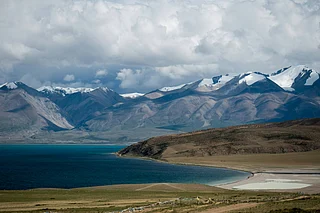
The move aims to improve ecosystem resilience across a nation spanning diverse terrains. From the snow-capped Tian Shan and Altai mountains to the sweeping Kazakh steppe, desert systems such as the Aral Karakum, and forested regions such as Qarqaraly, Kazakhstan’s geography supports a wide spectrum of habitats.
By increasing the scale of its reserves and national parks, the country is positioning itself as a key player in global conservation efforts, particularly within Central Asia.
Forest Expansion And Ecosystem Restoration At The Core


A key pillar of the strategy is increasing forest coverage across the country. Kazakhstan plans to expand forested land to 147,000 sq. km by preserving existing forests and undertaking new afforestation initiatives.
The plan includes restoring or planting 8,000 sq. km of woodland over the next decade. These steps will help with carbon sequestration, soil stabilisation, and biodiversity. The efforts focus on areas vulnerable to desertification and climate change.
The policy framework also emphasises sustainable land management practices to ensure that development does not come at the cost of ecological degradation. By integrating conservation with long-term environmental planning, Kazakhstan aims to maintain the integrity of its landscapes while supporting economic growth.
Protecting Endangered Species And Restoring Wildlife Populations
Kazakhstan is home to over 835 vertebrate species and approximately 6,000 plant species, making it one of the most biologically rich countries in the region. However, around 227 animal species are currently listed in the country’s Red Book, indicating they are at risk of extinction.
Among the species highlighted for protection are the snow leopard, Bukhara deer, goitered gazelle, kulan (Asiatic wild ass), Pallas’s cat, steppe eagle and great bustard.
Conservation measures under the new strategy aim to stabilise and restore these populations through habitat protection, reintroduction programmes, and stricter monitoring.
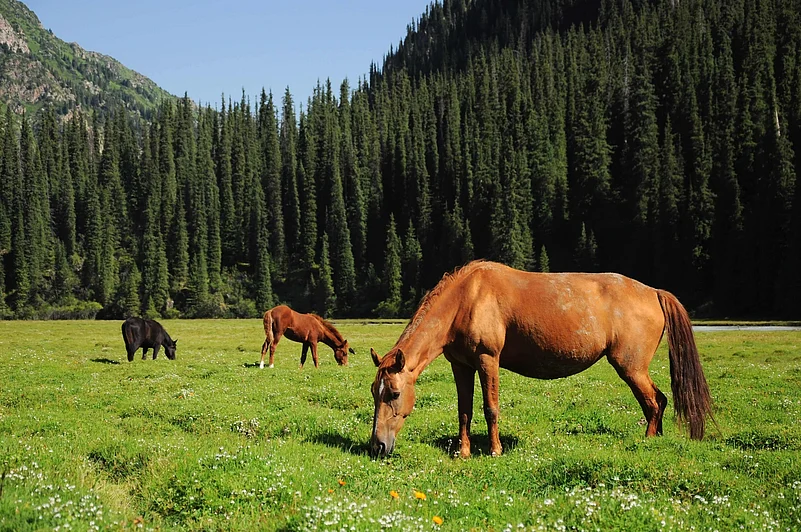
Existing conservation areas are already playing a critical role. The Aksu-Zhabagly Nature Reserve is known for its populations of snow leopards and Himalayan brown bears, while the Altyn Dala Nature Reserve has emerged as a stronghold for the critically endangered saiga antelope. Recent reintroduction efforts in Altyn Dala have also brought back Przewalski’s horses, the only truly wild horse species, and kulans.
According to Sukhrob Khojimatov, deputy resident representative of the United Nations Development Programme (UNDP) in Kazakhstan, the initiative reflects a broader global imperative. He noted that biodiversity conservation is a shared responsibility that will determine the long-term viability of ecosystems worldwide, adding that the strategy will help preserve Kazakhstan’s natural wealth for future generations.
Potential For Wildlife Tourism And Sustainable Travel
While Kazakhstan has traditionally attracted visitors for its Silk Road heritage and dramatic natural landmarks such as the Charyn Canyon and Kolsai Lakes, its wildlife tourism sector remains largely underdeveloped.
The new biodiversity strategy could change that. By expanding protected areas and improving conservation outcomes, Kazakhstan is creating opportunities for sustainable tourism experiences centred around nature and wildlife.
Currently, only a limited number of operators, such as NatureTrek, offer specialised wildlife and birdwatching tours in regions like the Tian Shan mountains. However, the country’s diverse ecosystems present significant potential for activities such as trekking, birding, and guided wildlife safaris.
As conservation efforts strengthen and awareness grows, Kazakhstan could emerge as a key destination for eco-conscious travellers seeking less crowded, high-biodiversity environments.
(With inputs from various sources)
FAQs
1. What is Kazakhstan’s new biodiversity strategy?
Kazakhstan’s biodiversity strategy for 2026–2035 is a long-term plan focused on expanding protected areas, restoring ecosystems, and conserving endangered species. It aims to strengthen environmental sustainability while balancing economic development.
2. How much land will Kazakhstan add to its protected areas?
The country plans to add approximately 20,000 square kilometres of protected land by 2035, increasing the total protected area to around 332,000 sq. km.
3. Which species are being targeted for conservation?
The strategy prioritises species such as the snow leopard, saiga antelope, kulan, Bukhara deer, Pallas’s cat, steppe eagle, and great bustard, many of which are listed as endangered or vulnerable.
4. What role does forest expansion play in the plan?
Kazakhstan aims to expand forest cover to 147,000 sq. km, including planting or restoring around 8,000 sq. km of woodland. This helps improve carbon storage, prevent soil erosion, and support biodiversity.
5. How will this strategy impact tourism?
The expansion of protected areas is expected to boost eco-tourism by creating opportunities for wildlife safaris, trekking, and birdwatching. Kazakhstan could become a major destination for nature-based travel in Central Asia.