Germany and India are strengthening their environmental partnership, with a growing focus on clean energy, climate resilience and the sustainable use of natural resources. Both countries are working together to tackle climate change while also making their economies more sustainable. Their cooperation covers several areas, including renewable energy, climate adaptation, the circular economy, sustainable agriculture and forest protection.
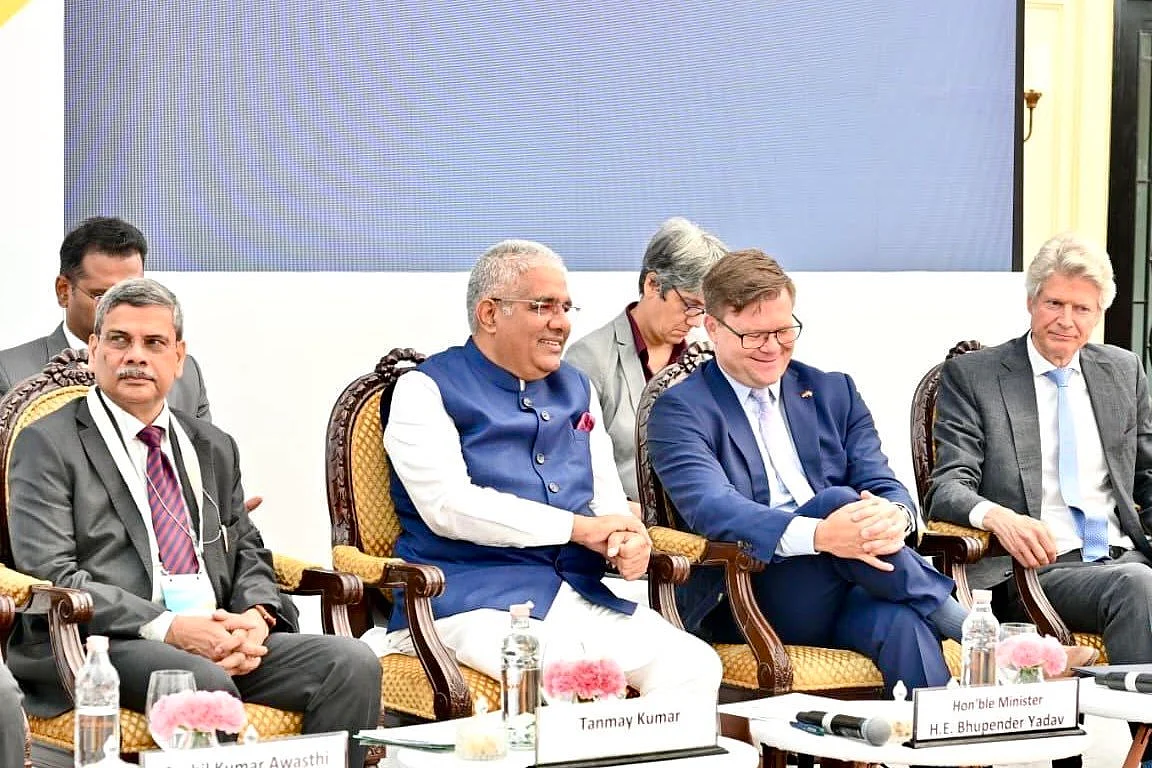
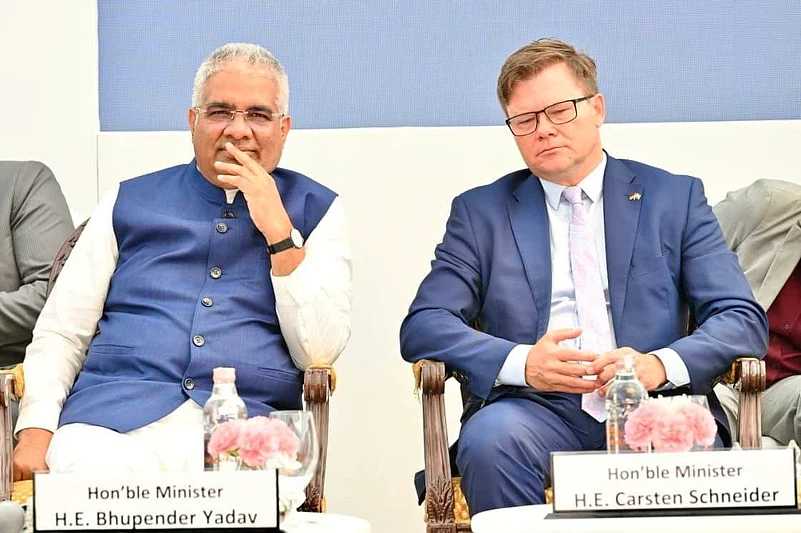
The partnership gained further momentum during the fourth Indo-German Environment Forum in New Delhi on September 1, 2026, co-chaired by Union Environment Minister Bhupender Yadav and German Environment Minister Carsten Schneider. The forum brought together policymakers, business representatives, experts and other stakeholders from both countries to discuss ways to strengthen cooperation on environmental protection and sustainable development.
Climate Action Takes Centre Stage
Climate change is creating challenges for countries around the world. Rising temperatures, extreme weather, water shortages and environmental damage are affecting both communities and economies.
During his first visit to India, German Federal Minister for Environment, Climate Action, Nature Conservation and Nuclear Safety Carsten Schneider highlighted the importance of the relationship between the two countries. He described India as an important partner for Germany and pointed to the similarities between the two countries, particularly their focus on strong economies and secure futures for their people.
He also said cooperation on climate adaptation and resource efficiency could help both countries become more prepared for future crises.

Clean Energy And Circular Economy Gain Importance
Clean energy is an important part of the growing cooperation between the two countries. Germany and India are working to expand renewable energy and support the shift towards cleaner power sources.
Solar and wind energy are expected to play an important role as both countries work to reduce emissions and move towards greener economies.
The circular economy is another key area. The focus here is on reducing waste, improving recycling, and making better use of resources rather than simply using them and throwing them away.
For businesses, this can also bring new opportunities. Better use of materials, improved recycling, and more sustainable production can help companies become more efficient while reducing their environmental impact.
Climate Adaptation Becomes A Priority
Reducing emissions is important, but adapting to climate change is equally necessary.
Germany has been facing challenges such as heatwaves, drought and water shortages. India is also dealing with changing weather patterns, extreme temperatures and growing pressure on water resources.
The two countries can benefit from sharing their knowledge and experience in dealing with these challenges. The Indo-German Environment Forum provided a platform to discuss climate adaptation and ways to strengthen cooperation on climate action.
Forests And Sustainable Agriculture Remain Important
The partnership also extends to forests, wetlands, biodiversity and sustainable agriculture. Germany supports climate and environmental programmes in India through its International Climate Initiative, including efforts around sustainable land use, forest conservation and biodiversity.
During the forum, India and Germany also signed a Joint Declaration of Intent on the conservation and wise use of wetlands of international importance. Union Environment Minister Bhupender Yadav said the agreement would help both countries share knowledge and good practices in wetland management, while also supporting restoration and greater community participation.
Forests and wetlands play an important role in protecting biodiversity, storing carbon and supporting water systems. Protecting these ecosystems and making them more resilient to climate change will therefore remain an important part of the partnership.
Looking Towards A Greener Future
The growing environmental cooperation between Germany and India is part of their wider strategic relationship.
As climate change becomes increasingly linked to economic growth, energy security and the use of natural resources, cooperation in these areas is becoming more important for both countries.
The latest discussions provide a base for continued work on renewable energy, green technologies, climate adaptation and sustainable resource management.
For Germany and India, the aim is not just to tackle climate change but also to build stronger, better-prepared economies for the future. Their growing partnership shows how countries can work together by combining technology, experience, and innovation to support a cleaner, more sustainable future.
(With inputs from various sources)
FAQs
1. What is the India-Germany climate partnership focused on?
The partnership covers clean energy, climate resilience, circular economy, sustainable agriculture, forest protection and sustainable resource management.
2. What areas of clean energy are India and Germany working on?
The two countries are focusing on expanding renewable energy, including solar and wind power, as part of their shift towards cleaner economies.
3. Why is climate adaptation important for India and Germany?
Both countries face climate-related challenges such as extreme temperatures, drought and water stress, making climate resilience and adaptation increasingly important.
4. Are India and Germany cooperating on forest protection?
Yes. Their cooperation includes forest restoration, sustainable land management, biodiversity protection and efforts to protect natural ecosystems.
5. What is the Indo-German Environment Forum?
The Indo-German Environment Forum is a platform for India and Germany to discuss environmental protection, climate action and sustainable development.