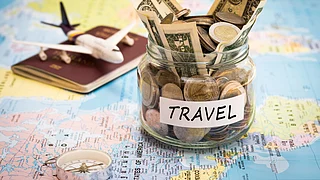
When the Rupee slips, travel plans shift.
For Indian travellers, the dream of an international holiday has long been tied to aspiration as much as affordability. But as the rupee weakens against major global currencies, that aspiration is being recalibrated in real time. What appears to be a marginal currency movement on paper is, in practice, rewriting travel budgets, reshaping itineraries, and influencing destination choices.
At the most immediate level, a weaker rupee inflates every component of an overseas trip. Airfares, hotel stays, local transport, dining, shopping, and even visa-related expenses, many of which are directly or indirectly linked to foreign currencies, become more expensive. A hotel that once cost INR 10,000 a night could now easily stretch to INR 12,000–13,000 purely due to exchange rate shifts. Multiply that across a week-long holiday, and the impact becomes significant.
This change is particularly visible in high-demand destinations such as Europe, the UK, and the US, where currencies have strengthened against the rupee. For Indian families and students travelling abroad, the overall trip outlay is no longer just about airfare deals or early bookings; it is increasingly dictated by forex volatility. Even destinations in Southeast Asia, traditionally seen as affordable, are feeling the pressure as local currencies appreciate or as dollar-linked pricing comes into play.

The Destination And The Itinerary
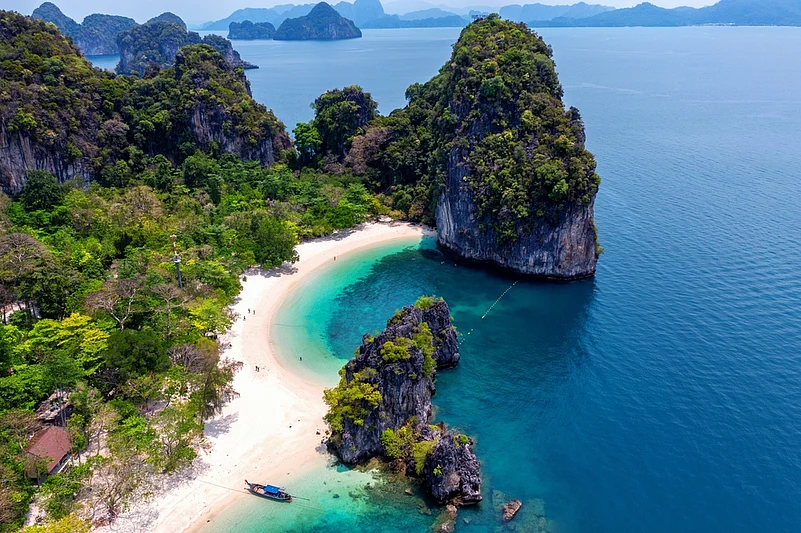
As a result, travellers are becoming far more strategic. One of the clearest shifts is in destination selection. There is a growing preference for countries where the rupee holds relatively better value or where on-ground costs remain manageable. Destinations in Southeast Asia, parts of Eastern Europe, and select Middle Eastern countries are seeing increased traction, while high-cost regions are witnessing more cautious demand.
Another notable trend is the shortening of travel durations. Instead of two-week itineraries, travellers are trimming trips to 7-9 days, prioritising fewer cities and experiences. The idea is not to cancel travel altogether, but to optimise it, choosing quality over quantity while keeping budgets in check.

The Purchase Practices
Spending behaviour abroad is also evolving. Indian travellers, known for their appetite for shopping and experiences, are becoming more mindful. Luxury purchases, impulse shopping, and high-end dining are often the first to be rationalised. Instead, there is a shift toward curated experiences, local exploration, and value-driven spending.
The weakening rupee is also influencing how travellers plan financially. There is a growing inclination towards locking in forex rates in advance through prepaid travel cards or forex bookings, rather than relying on last-minute currency conversions. This not only offers better cost predictability but also protects against further volatility.
For students and long-term travellers, the impact is even more pronounced. Tuition fees, accommodation, and daily expenses abroad have become significantly costlier when converted into rupees. This is prompting many to reconsider destinations, explore alternative countries, or seek additional financial planning support before committing to overseas education.
Interestingly, the shift is not entirely negative for the travel ecosystem. It is nudging travellers toward smarter planning, early bookings, better budgeting, and more informed decision-making. Travel companies and forex providers are also stepping in with advisory-led services, helping customers navigate currency risks more effectively.
In essence, the weakening rupee is not dampening India’s outbound travel appetite; it is refining it. International travel remains a priority, but now approached with greater caution, calculation, and creativity. For the Indian traveller, the journey continues, just with a sharper eye on the exchange rate.
Pavan Kavad is the managing director of Prithvi Exchange.
FAQs
1. How does rupee depreciation affect international travel?
A weaker rupee increases the cost of overseas travel by making flights, hotels, dining, shopping and local transportation more expensive when converted into Indian currency.
2. Which destinations offer better value for Indian travellers during rupee depreciation?
Many travellers are opting for destinations in Southeast Asia, parts of Eastern Europe and select Middle Eastern countries where costs remain relatively affordable.
3. How can travellers reduce the impact of currency fluctuations?
Travellers can lock in exchange rates through prepaid forex cards, book early, monitor currency trends and plan budgets carefully before departure.
4. Does rupee depreciation reduce outbound travel demand?
Not necessarily. While travellers become more price-conscious, most continue travelling by adjusting destinations, trip durations and spending habits.
5. Why are Indian travellers shortening international trips?
Shorter itineraries help reduce accommodation, dining and transportation costs while allowing travellers to maintain international travel plans despite rising expenses.