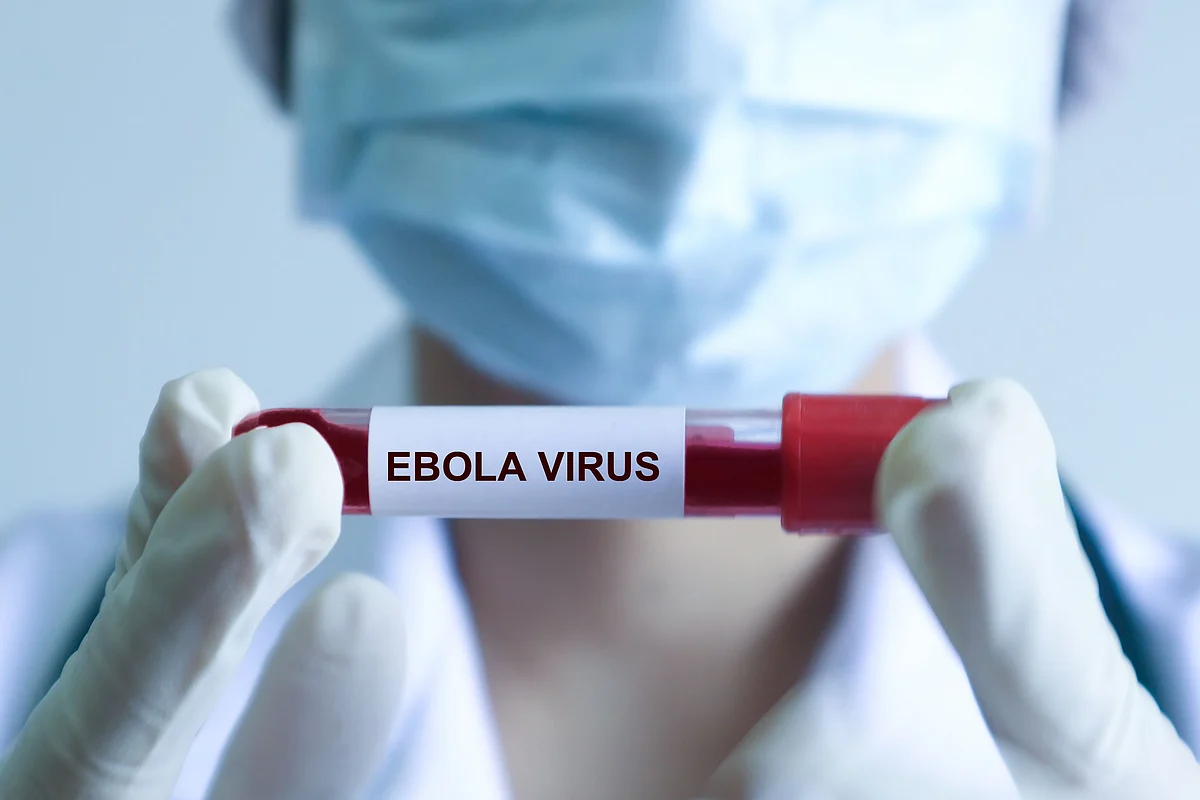
The Indian Ministry of Health and the World Health Organization have advised people to avoid unnecessary travel to countries affected by ongoing outbreaks of the Bundibugyo strain of Ebola, including Democratic Republic of the Congo, Uganda, and South Sudan. Here is what to know.
Precautions Before and During Travel
Anyone travelling to areas affected by Ebola should remain cautious throughout their visit. Simple precautions and awareness of local outbreak zones can help reduce the risk of exposure.
Avoid High-Risk Areas: Keep away from places where Ebola cases have recently been reported or where local authorities have identified active transmission.
Avoid Direct Contact: Avoid coming in contact with blood, saliva, vomit, or other bodily fluids from people who are unwell or deceased. Clothing, bedding, and other personal items used by infected individuals should also be avoided.
Maintain Good Hygiene: Wash your hands regularly with soap and water or use an alcohol-based hand sanitiser.
Avoid Bushmeat: Do not handle or eat wild animals, including monkeys, apes, or fruit bats, and avoid consuming raw or undercooked bushmeat.


After Returning To India
Travellers arriving from Ebola-affected countries may be subject to additional health checks at Indian airports. It is important to follow all screening procedures and remain alert for symptoms after returning home.
Health Declarations and Screening: Thermal screening and mandatory health declaration forms are in place at major international airports, including Indira Gandhi International Airport.
Report Symptoms Immediately: Anyone arriving from an affected country who develops symptoms such as fever, tiredness, vomiting, diarrhoea, or unexplained bleeding must inform Airport Health Officers before clearing immigration.
Monitor Your Health for 21 Days: Travellers should keep track of their health for 21 days after leaving an affected region, as Ebola symptoms can take up to three weeks to appear.
If You Feel Unwell After Travel
People returning from Ebola-affected areas should pay close attention to their health in the weeks after travel. Any signs of illness should be taken seriously and reported promptly.
Stay Away From Others: If you develop a fever or symptoms associated with Ebola within 21 days of your trip, remain at home and limit contact with other people.
Inform Medical Authorities: Speak to a doctor or local health officials as soon as possible and mention your recent travel to an affected country.
Travel advice and health guidance can change quickly during an outbreak. Before travelling, check official government and public health websites for the latest updates.
(With inputs from various sources)
FAQs
Which countries are currently affected by Ebola according to the CDC?
The CDC is monitoring Ebola outbreaks mainly in the Democratic Republic of the Congo and Uganda, with additional monitoring involving South Sudan.
What does the CDC advise travelers returning from Ebola-affected countries?
Travelers should monitor their health for 21 days, check for symptoms like fever or vomiting, and contact health authorities immediately if symptoms appear.
Can Ebola spread through casual contact during travel?
No. Ebola spreads through direct contact with infected body fluids, not through air or casual contact in public spaces.
Are there travel restrictions related to Ebola outbreaks?
Yes. The CDC and US authorities have introduced enhanced screening and temporary entry restrictions for some travelers arriving from Ebola-affected regions.
What should travelers avoid in Ebola-hit regions?
The CDC advises avoiding contact with sick individuals, bodily fluids, contaminated objects, and certain wild animals such as bats and primates.