

Cashew orchards and coconut palms are familiar features of Goa and the wider Konkan coast. Their produce finds its way into the region’s kitchens in different forms, but it also has a place in its drinking traditions. Cashew apples are fermented and distilled into alcoholic spirits, while coconut palms provide sap that can be consumed fresh, allowed to ferment or used in further preparations. Coconut milk, meanwhile, lends a creamy texture to a tangy accompaniment served with meals.
The histories of these plants, however, are different. Coconut was an established part of the coastal food culture long before Portuguese rule. Cashew, native to Brazil, arrived on the Indian coast through Portuguese maritime networks in the 16th century. It was initially planted in part to help stabilise eroding land, before its fruit acquired culinary and economic significance. Today, cashew is among Goa’s important and the state’s largest horticultural crop by area.
Feni: The Spirit Made From Cashew Apples
When talking about Goan drinks, feni is often the first that comes to mind. The spirit is closely associated with cashew apples, the fleshy fruit that grows beneath the cashew nut. While the nut is harvested as a food product, the fruit is also used to make an alcoholic beverage that has become an important part of Goa’s drinking culture. To make cashew feni, ripe cashew apples are collected and crushed to extract their juice. The juice is fermented before being distilled. The distillation process produces a spirit with a distinctive fruity aroma and a comparatively high alcohol content. Cashew feni is also recognised through a Geographical Indication tag, reflecting its close association with Goa.
It is important to distinguish feni from the other cashew-based drinks on this list. Feni is the distilled spirit, not the fresh juice of the cashew apple. Its production involves fermentation and distillation, while the other drinks use different stages or methods of processing the fruit. There is also a coconut-based version of feni, made from fermented coconut toddy. However, cashew feni is the variety most commonly associated with the drink’s identity in Goa.
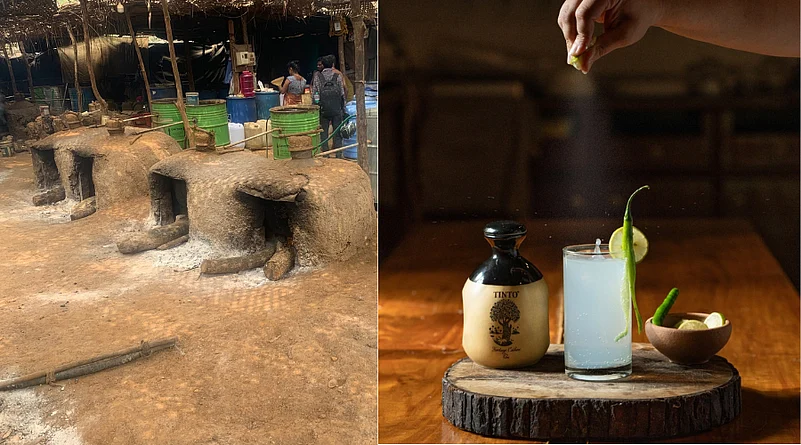

Urrak: The Seasonal First Distillate
If feni is the finished spirit, urrak—or urak—is associated with an earlier stage of the same process. Made from fermented cashew apple juice, urrak is the first distillate obtained during the production of cashew feni. This distinction is central to understanding the two drinks. The fermented juice is distilled once to produce urrak. Further distillation produces the stronger spirit recognised as feni. Urrak is generally less potent than feni and has a shorter shelf life, making it a seasonal drink rather than a spirit that is readily available throughout the year. It is typically consumed during the summer months, unlike feni, which is available year-round. Urrak is often mixed with lemonade, soda and ice, making it a familiar choice in Goan taverns during cashew season.
Niro: The Sweet, Non-Alcoholic Cashew Drink
Cashew apples have another use before they become part of the distillation process: they can be enjoyed as a non-alcoholic drink. Known as niro, neero or ros in different contexts, this sweet juice is associated with the cashew harvest and is valued for its short season. Niro is obtained by extracting the remaining juice from cashew apples after the fruit has already been pressed. The pulp is pressed again to release the residual liquid, producing a sweet, fruity drink. Unlike urrak and feni, niro is not distilled and is non-alcoholic when freshly extracted.
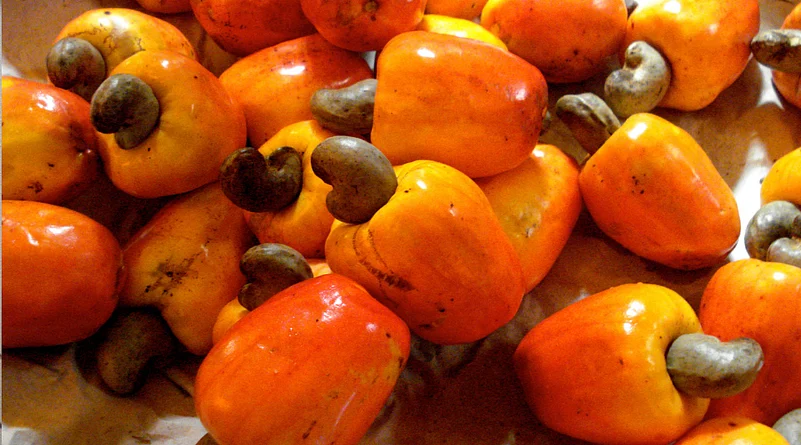
Its perishability is one reason it is less widely available than bottled spirits. Fresh cashew juice can begin fermenting if it is not handled and stored appropriately, so it is best consumed soon after extraction. Niro completes the cashew sequence in a different way from urrak and feni. Rather than turning the fruit into alcohol, it makes use of the juice itself. It also allows people who do not drink alcohol to experience a seasonal product of the cashew harvest.
Sol Kadi: Coconut Milk Meets Kokum
Moving from cashew to coconut brings us to sol kadi, also written as solkadhi. Unlike the first three drinks, it is not made from cashew apples. Its characteristic flavour comes from kokum, a souring fruit used widely along the Konkan coast, while coconut milk gives the drink its creamy texture. The preparation is straightforward: kokum is used to create a tangy base, which is combined with coconut milk. Depending on the household or recipe, the drink may also include ingredients such as garlic, green chilli and coriander. The result is a pink or pale-purple drink with a balance of sourness, creaminess and spice. Sol kadi is commonly served with meals, particularly rice and fish preparations. It can be enjoyed alongside food or after a meal, making it different from the spirits and seasonal juice associated with cashew.

Toddy: The Fermented Sap Of The Coconut Palm
The final drink brings the focus back to the coconut palm itself. Toddy, known locally as sur in Goa, is made from the sap collected from the palm. The sap is tapped and gathered before it naturally ferments, producing a drink with an alcoholic content that varies according to the stage and conditions of fermentation. Fresh, unfermented palm sap is different from fermented toddy. Once fermentation begins, naturally occurring yeasts convert some of its sugars into alcohol. Toddy also has uses beyond drinking. Depending on local practice, it can be used in cooking and processed into products such as palm vinegar or jaggery.
FAQs
1. What are some traditional drinks of Goa?
Some traditional Goan drinks include cashew feni, urrak, niro, sol kadi and coconut toddy. They reflect the region’s use of locally available ingredients, including cashew apples, coconut sap and kokum.
2. What is the difference between feni and urrak?
Feni is a distilled alcoholic spirit made from fermented cashew apple juice. Urrak is the first distillate in the cashew feni-making process and is generally lighter, with a shorter shelf life and seasonal availability.
3. What is niro, the Goan cashew drink?
Niro, also known as neero, is a sweet, non-alcoholic drink made from cashew apple juice. It is associated with the cashew harvest and is best consumed fresh because it can ferment over time.
4. What is sol kadi made of?
Sol kadi is a traditional Konkan drink made with kokum and coconut milk. Depending on the recipe, it may also contain garlic, green chilli and coriander. It is commonly served with rice and fish dishes.
5. What is toddy, and how is it made in Goa?
Toddy, known locally as sur in Goa, is made from the sap of the coconut palm. The collected sap ferments naturally, producing an alcoholic drink. Coconut sap can also be used to make products such as palm vinegar and jaggery.