Mahashivratri is not a festival you rush through. It is a pause in the Hindu calendar—a night when stillness is considered sacred and effort is turned inward. Traditionally observed through fasting, meditation, and long hours of vigil, the night is believed to be especially potent for spiritual reflection, as Shiva’s energy is said to be at its most accessible.
For travellers, Mahashivratri offers a different way to move through India. The roads are quieter at dawn, temples stay awake through the night, and the mountains feel more contemplative than adventurous. Whether you walk uphill towards a high-altitude shrine or stand barefoot in a temple queue at midnight, the journey becomes part of the prayer.
Top Shiva Treks To Do This Mahashivratri
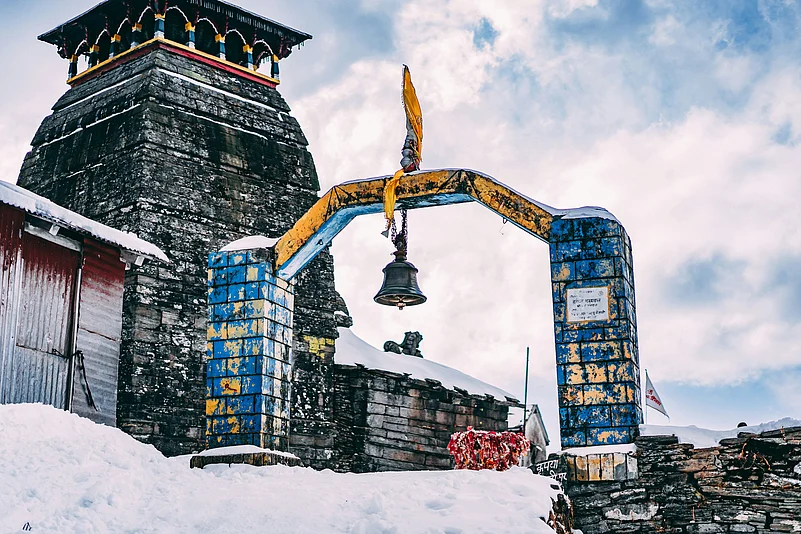

Tungnath Trek, Uttarakhand
At 12,073 feet, Tungnath is the highest Shiva temple on Earth. Getting there shows devotion. The trek from Chopta is short but constant, passing through alpine meadows and forests before opening to big Himalayan views. In February, snow often covers the path, softening sound and slowing you down—great for Mahashivratri’s thoughtful mood. The temple is simple, encouraging quietness. Many visitors sit in silence instead of doing rituals, letting the height and solitude bring perspective. If the weather is good, go to Chandrashila, but Tungnath alone can create a shift in perspective.
Kheerganga Trek, Himachal Pradesh
Kheerganga blends effort with release. The trail climbs through pine forests and along the Parvati River, leading to a high meadow where a small Shiva shrine stands beside natural hot springs. According to legend, Shiva meditated here for thousands of years, and the landscape still carries that unhurried calm. Reaching Kheerganga on Mahashivratri feels less like an achievement and more like arrival. After the cold walk, soaking in the warm waters becomes almost ritualistic—cleansing, grounding, deeply physical. The night sky here is vast and quiet, making it easy to sit awake, wrapped in layers, reflecting through the long hours of Shivratri.
Bijli Mahadev Trek, Himachal Pradesh
Short, steep, and charged with legend, the trek to Bijli Mahadev is known for its dramatic setting and rare phenomenon—lightning is believed to strike the Shiva lingam here periodically. The trail climbs through thick cedar forests before opening onto a ridge with sweeping views of the Kullu Valley. On Mahashivratri, the energy here feels concentrated rather than crowded. The temple’s simplicity contrasts with its mythic power, reminding visitors that Shiva is as much force as form. Spend time watching the clouds move through the valley below; the stillness between moments often feels as significant as the ritual itself.
Prashar Lake Trek, Himachal Pradesh
The trek to Prashar Lake is simple, but unforgettable. The lake sits at over 8,900 feet, circled by forests and watched over by a three-story temple for Sage Prashar and Shiva. Usually in February, snow makes the area pretty, softening the landscape and making it feel quiet. Spending Mahashivratri here—camping close by or staying in a simple guesthouse—feels peaceful. The lake, with its floating island, makes it a bit mysterious. This trek is great for those who like thinking quietly instead of a hard walk.
Great Shiva Temples To See During Mahashivratri
Kashi Vishwanath Temple, Varanasi
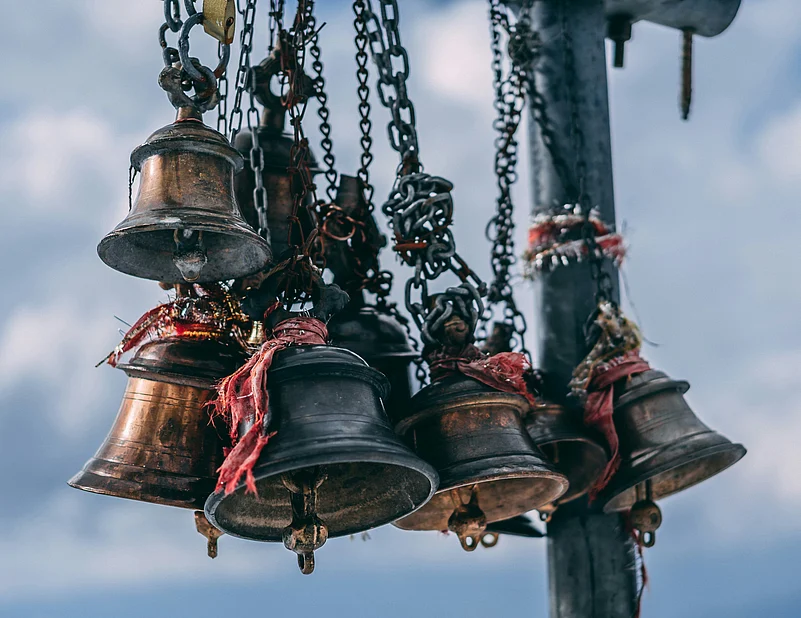
Mahashivratri in Varanasi is busy, deep, and hard to forget. The Kashi Vishwanath Temple stays open all night, with chants echoing in the old streets. People go between the temple and the ghats, where the Ganga River shines with lights. It's not tranquil in the usual way, but you really feel a part of it. Here, Shiva feels close to everything. Visiting during Mahashivratri means joining the crowds and sounds of the city, and finding quiet moments there.
Mahakaleshwar Temple, Ujjain
Mahakaleshwar relates to time, death, and changes, so it’s extra important on Mahashivratri. The temple’s Bhasma Aarti happens before dawn and includes offering sacred ash. The city stays up all night. Even with many people, it feels serious. Here, rituals matter, and participation feels thoughtful. Seeing Mahakaleshwar on this night means seeing devotion in a disciplined way.
Somnath Temple, Gujarat
Somnath, by the Arabian Sea, offers a calmer Mahashivratri. The sound of waves is always there during prayers and songs. Somnath’s past—of destruction and rebuilding—makes the rituals done here extra special, especially on a night for new beginnings. The temple area is big, so you can find quiet spots even when it’s crowded. Walking by the sea after midnight, with the lit temple behind you, feels peaceful, making Somnath good for those who want peace.
Arunachaleswarar Temple, Tiruvannamalai
In Tiruvannamalai, Shiva is worshipped as fire, and Mahashivratri feels thoughtful. Many people walk around the Arunachala Hill barefoot, instead of staying in the temple. The walk, mostly at night, is quiet and personal. The temple is big, but the focus is the hill, said to be Shiva. This place is for those who like inner reflection, where walking becomes like meditating.
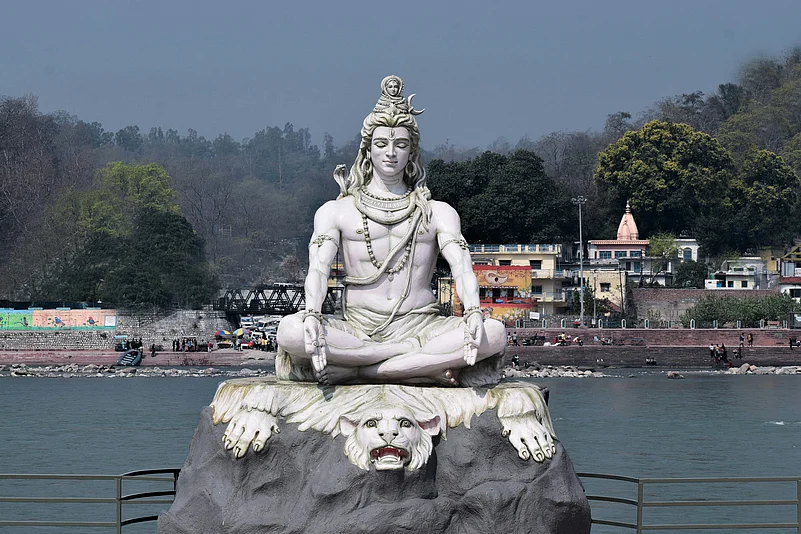
Mahashivratri shows us that Shiva is everywhere. He is in the cold Himalayas, the salty sea air, and in temples. Across India, the twelve Jyotirlingas—from Kedarnath and Bhimashankar to Omkareshwar, Trimbakeshwar, Baidyanath and Rameswaram—become powerful centres of devotion on this night, each offering a different doorway into the same stillness.
Whether reached by steep mountain paths or city streets alive with chants, these sacred sites draw pilgrims not for spectacle, but for surrender. Even for those who do not travel, Mahashivratri is a reminder that spiritual journeys are not always outward. The night asks only for attention, patience, and presence. In choosing how—and where—you observe it, the destination matters less than the intention you carry, and the quiet resolve to sit with what arises before dawn breaks again.
FAQs
1. What is the significance of Mahashivratri?
Mahashivratri marks a night dedicated to Lord Shiva, traditionally observed through fasting, meditation and night-long vigils. It is considered especially conducive to spiritual reflection and inner stillness.
2. Is Mahashivratri a good time to travel to temples and treks?
Yes, for those seeking a deeper spiritual experience. While popular temples can be crowded, the atmosphere is charged with devotion, and treks tend to feel quieter and more contemplative.
3. Which Shiva treks are suitable in February?
Tungnath, Kheerganga, Bijli Mahadev and Prashar Lake are commonly accessible in February, though weather conditions can vary and should always be checked in advance.
4. Are Jyotirlinga temples open all night on Mahashivratri?
Most Jyotirlinga temples remain open through the night, with special rituals, abhisheks and aartis conducted at different intervals.
5. Do you need to be religious to experience Mahashivratri meaningfully?
Not necessarily. Many travellers engage with Mahashivratri through silence, walking, observation and reflection, finding meaning beyond formal ritual.