Tucked away from the bustling beaches and vibrant but chaotic party scenes of Goa lies an unexplored village in South Goa, resonating with the echoes of ancient empires, manors and architecture.
Originally known as Chandrapur, Chandor was one of the first capitals of the Kadamba dynasty, serving as the centre of power long before modern times.
The Curse Of Chandor
The residents of Chandor often remark that people from around their village rarely marry into it. Legend says this village is cursed. It's not dramatic; it's folklore that makes a conversation worth listening to. A queen, distraught and feeling betrayed by her subjects' lack of help when her king was defeated in a battle, committed suicide, but not before placing a curse upon the village women. She is said to have beaten her feet on a stone, leaving prints outside a temple now known as the site of the St Tiago Chapel, and pronounced that every woman who married into the village would become a widow, thus creating fear amongst the men settled there. This tale acts as an integral part of the village's identity and tragic past.
The Menzes Braganza House And Voddlem Ghor
As we stroll into the village square, we see something hard to miss: the Menzes Braganza House, and it's nothing like an ordinary manor! It’s one of the largest colonial-era mansions in Goa, stretching proudly with dozens of windows, grand hallways, and a kind of old-world elegance we rarely see anymore.
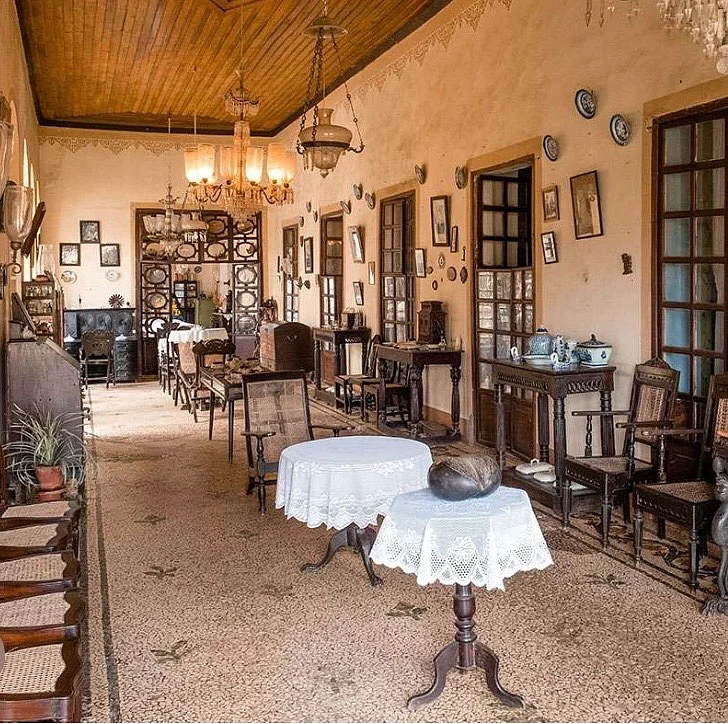

A ballroom with Italian marble floors, crystal chandeliers from Europe, and antique rosewood furniture that whispers stories of masquerade balls and old Portuguese soirées, people who speak what we learn today as history. A book lover's dream, consisting of a private library with hundreds of leather-bound Portuguese books
Accepting this place as a museum would be a mistake, especially when there are descendants of previous owners who still live here, inviting us into their home to appreciate the lost culture and heritage.
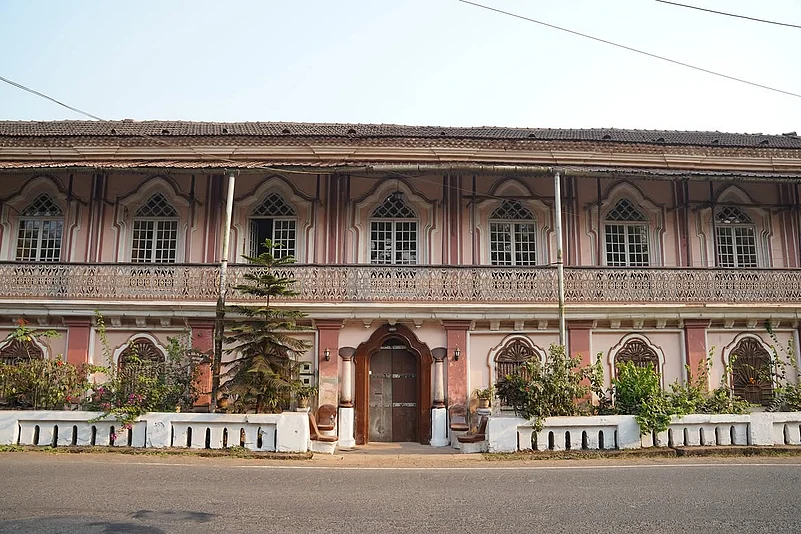
Walking further down, we see the Fernandes house, also known as Voddlem Ghor, an older colonial structure graced with broad verandas, French windows, and a ballroom that quietly echoes with elegance and small talk.
The Living Culture
As we move forward, seeking some entertainment, we see how Chandor preserves unique local performances, such as Mussol Khell, a folk dance/play often tied to community gatherings and temple rituals.
Walking along the Kushavati riverbanks, we can sometimes encounter locals performing rituals like offerings, prayers, or simply enjoying the river’s calm presence, a beautiful blend of nature and spiritual life.
There’s growing enthusiasm both from locals and the state government to develop Chandor as a heritage village, so the world can appreciate its stories beyond the postcard beaches and clubs. Plans include heritage walks, cultural trails, conservation of old sites, and tourism that respects life here rather than disrupts it.
Villagers themselves talk about taking the initiative to revive an old lake called Oilem Tollem, restore traditional watchpoints, and design community-based stays for visitors and tourists, slowly turning heritage into a livelihood.
Chandor isn't a symbol of Goa's past, but it reflects its continuity. It's a place where history lives in the architecture, folk art and songs. From being an ancient capital to having its story written, it invites you to learn and explore all that it has to offer.
In a world that is constantly rushing forward, Chandor gently reminds us of the beauty of slowing down and holding on to our roots.
The Information
How To Reach Chandor
By Air: The closest airport is Manohar International Airport (MOPA) or Dabolim Airport (GOI). From either, take a pre-paid taxi or app-based taxi to Chandor (approx. 1.5–2 hours).
By Train: The nearest major railway station is Margao (Madgaon Junction), about 10-12 km away. You can hire a local taxi or take a bus from Margao to Chandor.
By Road/Taxi: Chandor is well-connected by road from Margao (15 km) and Panjim (approx. 40-45 km). Hiring a private taxi is the most convenient option to explore the village.
Local Transport: Once in Chandor, the sites—including the Braganza House and the old temple ruins—are spread out, making a hired vehicle or scooter necessary to move between locations.
Landmark: Set your GPS for Chandor Church (Igreja de Nossa Senhora de Belém) as the central starting point for heritage tours.
FAQs
1. What is Chandor in Goa known for?
Chandor is a heritage village in South Goa known for its Portuguese-era mansions, its history as an early capital of the Kadamba dynasty, and its living folk culture, including local legends and riverside traditions.
2. How do you reach Chandor from Goa's airports?
The nearest airports are Manohar International Airport (MOPA) and Dabolim Airport (GOI), both roughly 1.5–2 hours away by pre-paid or app-based taxi. Margao (Madgaon Junction) is the closest railway station, about 10-12 km from Chandor.
3. What is the curse of Chandor?
Local folklore tells of a grieving queen who cursed the village after her king's defeat, saying that any woman who married into Chandor would become a widow. The legend is tied to footprints she is said to have left near the site of St Tiago Chapel.
4. What is the Menezes Braganza House?
It's one of the largest colonial-era mansions in Goa, featuring Italian marble floors, European chandeliers, antique rosewood furniture, and a private library of Portuguese books. Descendants of the original owners still live there and welcome visitors.
5. Is Chandor worth visiting besides Goa's beaches?
Yes. Chandor offers a different side of Goa centred on heritage mansions like the Braganza and Fernandes houses, folk performances such as Mussol Khell, riverside rituals along the Kushavati, and ongoing efforts to develop it as a heritage village.