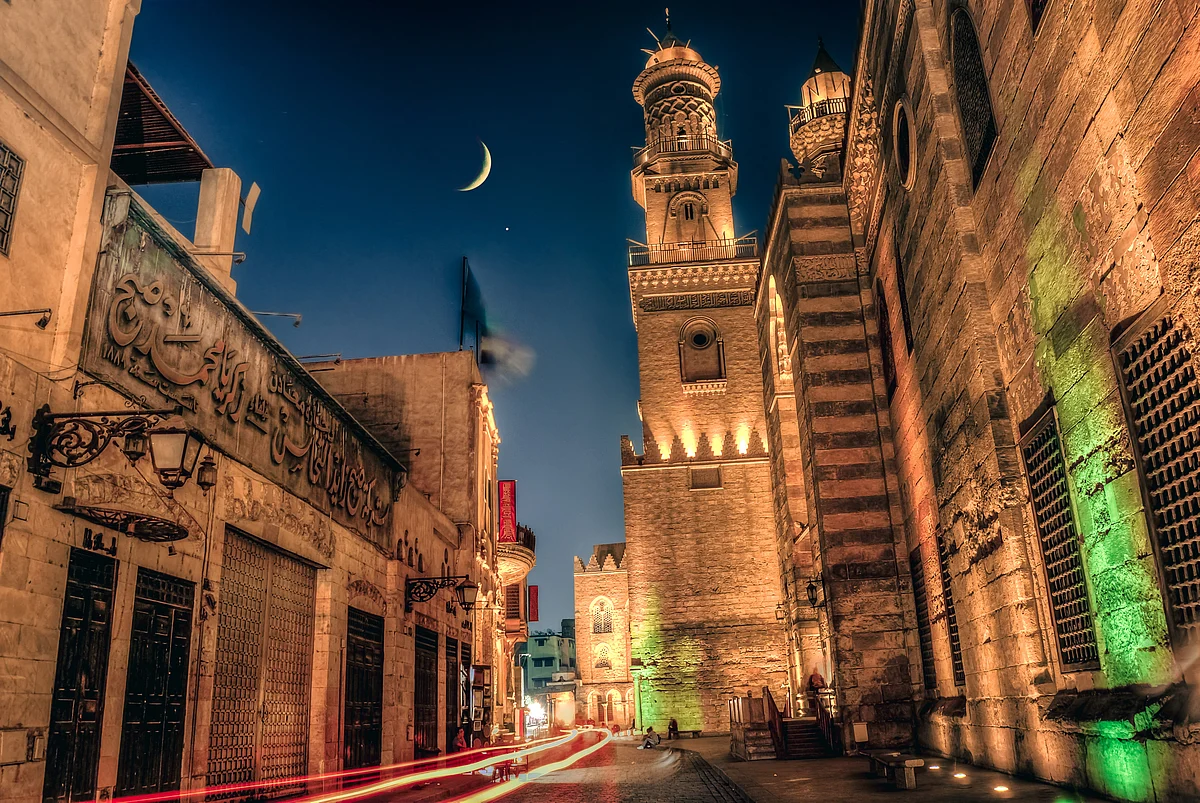
For many of us, the fascination with Egypt began early, whether it was watching ‘The Mummy’ films or learning about ancient Egyptian civilisation in school. Over time, that curiosity often turned into a dream of visiting the country itself. If you have just one day to explore Cairo, Egypt’s teeming capital, here is a specially curated and planned itinerary to help you make the most of it. Look forward to visiting age-old pyramids, world-class museums, and lively markets where you can pick up keepsakes to remember your long-awaited Cairo getaway.
Giza Pyramids And The Great Sphinx


No day in Cairo truly begins without a visit to the Giza Plateau, home to the last surviving wonder of the ancient world. Built more than 4,500 years ago during Egypt’s Fourth Dynasty, the pyramids of Khufu, Khafre, and Menkaure are sited on the desert’s edge, a visualisation only a visit to the same can offer. What archaeologists have noted to date, these colossal tombs were designed to ensure the pharaohs’ journey into the afterlife, aligned precisely with celestial movements and cardinal directions.
The Great Pyramid of Khufu is the largest and most astonishing of the three, originally standing at over 146 metres tall. Its limestone blocks were transported and assembled with the kind of mathematical accuracy that has always puzzled historians and engineers. Just near that is the Pyramid of Khafre, which appears taller due to its elevated base, while Menkaure’s pyramid, though smaller, is known for its rarefied construction and granite casing at the base.
Walk a short distance from there, and you will find the structure whose mythical presence has baffled most people. This is the Great Sphinx, carved from a single limestone ridge with the body of a lion and the face believed to represent Pharaoh Khafre. Weathered yet standing at the helm, the Sphinx has guarded the plateau for millennia, enveloped in legends of lost noses, buried chambers, and unanswered questions.
Entry to the Giza complex requires a general admission ticket, with additional charges if you wish to enter the interiors of the pyramids. Prices vary for foreign visitors, and it is advisable to carry cash that is in Egyptian pounds. Arrive early in the morning to avoid crowds and the midday heat.
The Grand Egyptian Museum
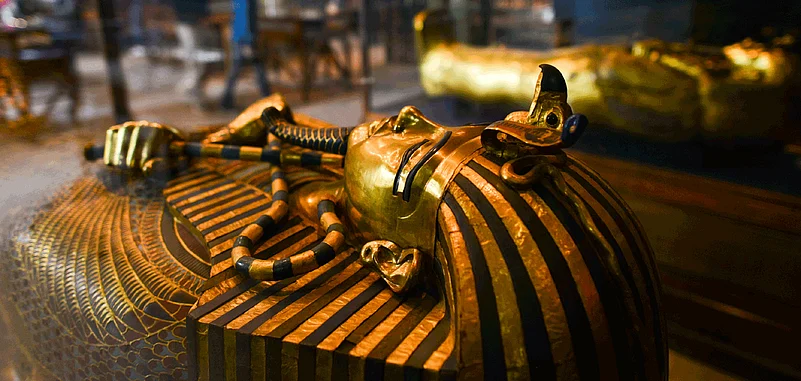
Located just outside the Giza Plateau, the Grand Egyptian Museum is a modern counterpoint to Cairo’s ancient wonders. One of the largest archaeological museums in the world, its angular glass and stone façade within its architecture mirrors the geometry of the nearby pyramids.
Step inside and you will find tens of thousands of artefacts spanning ancient Egypt’s long and layered history. Housing colossal statues of pharaohs along with finely detailed jewellery, ceremonial objects, and everyday items, the collection of the Grand Egyptian Museum gives visitors a comprehensive narrative of life along the Nile. One of its biggest factors that draws travellers from around the world is the near-complete display of artefacts from Tutankhamun’s tomb. These atavistic items have been presented together for the first time, thereby allowing visitors to appreciate ancient craftsmanship and the ritual significance of each piece.
The museum is engineered in such a way that visitors, while walking through it chronologically, also get panoramic views of the pyramids through expansive windows. Entry tickets are moderately priced. There are separate fees for special exhibitions or guided experiences. Even for those short on time, a couple of hours here provides valuable context before exploring the city further.
The Citadel Of Saladin And The Mosque Of Muhammad Ali

Perched on the Mokattam Hills, the Citadel of Saladin offers wide-ranging views of Cairo’s skyline and a deep dive into the city’s Islamic history. Built in the 12th century by Sultan Saladin to defend against invasions of the Crusaders, the fortress remained the seat of power for centuries. Namely, it has housed rulers from the Ayyubid, Mamluk, and Ottoman periods.
Often called the Alabaster Mosque due to its gleaming stone interior, the Mosque of Muhammad Ali is located within its walls. This 19th-century mosque bespeaks Ottoman architectural influence with its grand central dome, slim minarets, and spacious courtyard. Inside, the soft glow of chandeliers and the rhythmic symmetry of arches create a sense of calm that contrasts with the humdrum below.
Several museums that include military and historical collections are housed within the Citadel complex, which can be visited by travellers looking to explore. There is a single entrance ticket for the Citadel, with modest additional fees for specific museums. It is advisable to dress modestly when entering religious spaces, and allow time to take in the views, especially towards sunset.
Khan el-Khalili Bazaar
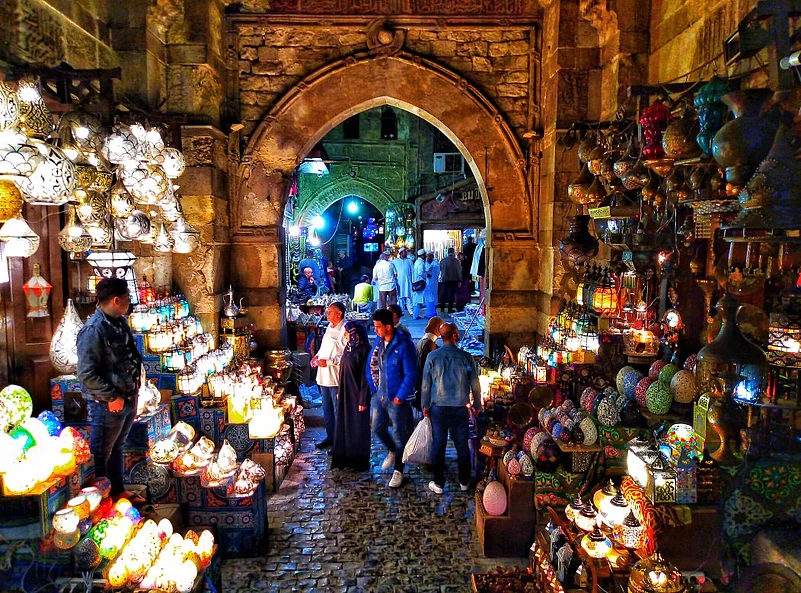
As afternoon settles in, head towards Khan el-Khalili, Cairo’s most famous market and one of the oldest souks in the Middle East. Established in the 14th century, this labyrinth of narrow lanes has long been a centre of trade, scholarship, and social life.
Pop by and you will sense the air filled with the scent of spices, incense, and freshly-brewed tea. Stalls here overflow with brass lanterns, hand-painted ceramics, silver jewellery, papyrus art, and traditional textiles. Many shops are family-run, and the craftsmen still use techniques that have been passed down through generations. Although bargaining is part of the experience, make sure that you conduct it with politeness, good humour, and patience.
The architecture around the market is just as compelling as the goods on display. Embellished façades, wooden mashrabiya balconies, and hidden courtyards will haul you instantly to Cairo’s medieval period. Entry to the bazaar is free, though you will likely want to set aside a budget for souvenirs and small keepsakes.
A Felucca Ride On The Nile
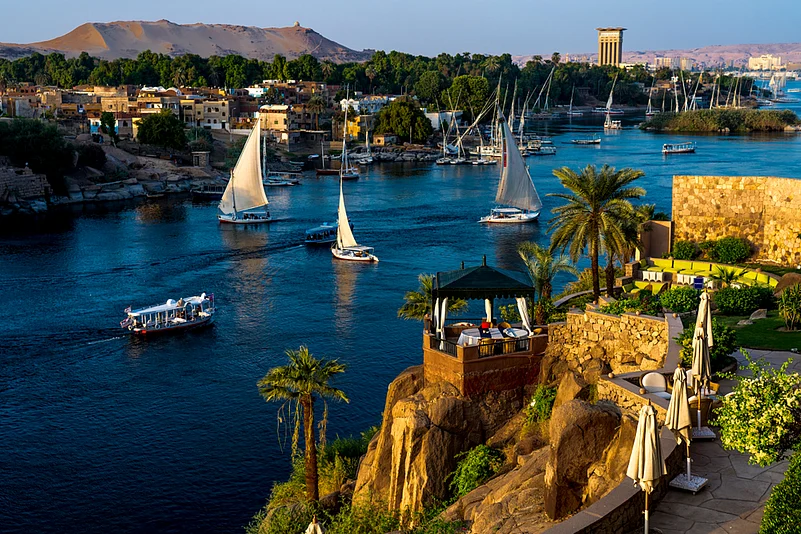
As evening approaches, there is no better way to slow down than with a felucca ride on the Nile. These conventional wooden sailboats have glided along the river for centuries, and a ride on one of these will give you a peaceful contrast to the city’s constant movement.
Glance from the water, and you will find out that Cairo reveals a completely different side of itself; minarets and high-rises glowing in the fading light, palm-lined banks slipping past, and the hum of traffic fading into the background. Most felucca rides last somewhere between 30 minutes and an hour. Prices are usually negotiated directly with the boatmen. It is a simple experience, but it is one that captures the long-standing relationship between Egypt and its life-giving river.
Dinner In Downtown Cairo
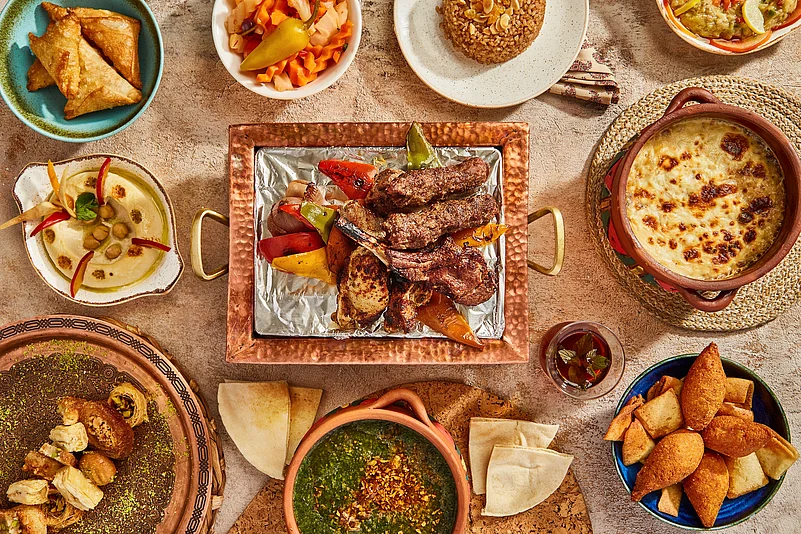
As your day-visit in Cairo comes to a close, stop by downtown Cairo. Here, the streets near Tahrir Square are lined with age-old cafés and restaurants. Many of these establishments date back to the early 20th century and have hosted writers, artists, and political thinkers over the decades.
It’s best to opt for customary Egyptian dishes like koshari, grilled kebabs, molokhia, and freshly baked baladi bread to get a comforting conclusion to the day. Meals are generally affordable here, making it easy to enjoy a relaxed dinner while reflecting on everything you have seen.
Spending a single day in Cairo is undeniably fast-paced, but it offers a distinctive introduction to a city that has been shaped by a history that dates back thousands of years. From ancient tombs and grand mosques to bustling markets and calm moments on the Nile, Cairo will leave you with the feeling that every corner holds just another story waiting to be discovered.
FAQs
1. Is one day enough to see Cairo’s main attractions?
One day is enough to experience Cairo’s highlights, including the Giza Pyramids, a major museum, historic Islamic sites, local markets and a short Nile experience.
2. What are the must-see places in Cairo for a day trip?
Key stops include the Giza Pyramids and Great Sphinx, the Grand Egyptian Museum, the Citadel of Saladin, Khan el-Khalili bazaar and a felucca ride on the Nile.
3. How should I plan my day in Cairo to avoid crowds?
Start early at the Giza Plateau, visit museums mid-morning, explore markets in the afternoon and reserve evenings for the Nile and downtown dining.
4. How much does it cost to explore Cairo in one day?
Costs vary by attraction, but expect separate entry tickets for the pyramids, museums and Citadel, along with additional spending for food, transport and souvenirs.
5. Is Cairo safe for a one-day visit?
Cairo is generally safe for tourists visiting major attractions, especially when sticking to well-known areas, using licensed transport and following local guidance.