World Radio Day| “This is the Congress Radio calling on 42.34 from somewhere in India,” the broadcasts would begin. On August 14, 1942, Usha Mehta launched the station with activists Chandrakant Babubhai Jhaveri, Vithaldas K Jhaveri, and Nanka Motwane, supported by amateur radio operator Nariman Printer. The team first went on air twice a day in Hindi and English, then shifted to a single evening broadcast while constantly changing locations to evade the police. Congress Radio carried critical updates, from traders refusing to export rice to news of leaders being arrested. In November 1942, the police raided the station after extracting information from Printer following his arrest. As officers closed in, Mehta and her colleagues made a final broadcast, playing “Vande Mataram” while the authorities broke in. The police seized the equipment and arrested Mehta along with four others. After a prolonged investigation, the court sentenced her to four years in prison, releasing her in April 1946.
And such has been the history and significance of the radio and radio stations in India.

Radio In India
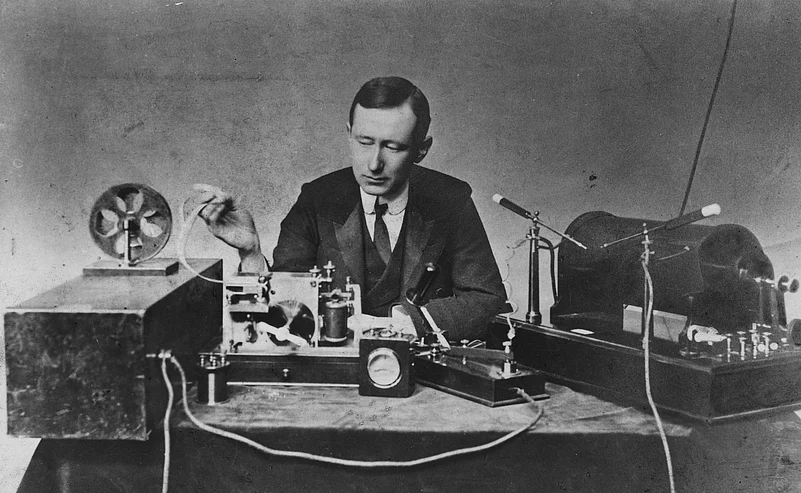
Radio in India began as a technical experiment and quickly became a public phenomenon that reshaped communication. Technical enthusiasts and clubs laid the groundwork for what would become a powerful mass medium. The Bombay Presidency Radio Club in Mumbai broadcast programmes as early as June 1923, and similar efforts soon followed in Calcutta and Madras. These early efforts connected music and spoken word to listeners long before formal government-run broadcasting took hold.
On July 23, 1927, the Indian Broadcasting Company (IBC) opened its Bombay station, marking the start of structured radio broadcasting in India. The Calcutta station of the IBC began shortly after. These stations operated from formal studios and offices, bringing regular programmes and structured schedules to Indian audiences.
Indian State Broadcasting And The Birth Of AIR
The early commercial experiment of the Indian Broadcasting Company ended in 1930, and the government took over broadcasting facilities, launching the Indian State Broadcasting Service under the Department of Industries and Labour. Over the next several years, broadcasting evolved into a public institution. Lionel Fielden, a BBC producer, became the first Controller of Broadcasting in India and helped professionalise the service.
On June 8, 1936, the service was renamed All India Radio (AIR) and over time adopted the name Akashvani, a Sanskrit phrase meaning “voice from the sky.” This broadcasting organisation became the backbone of India’s radio network, producing news, educational content and cultural programming for a diverse audience.
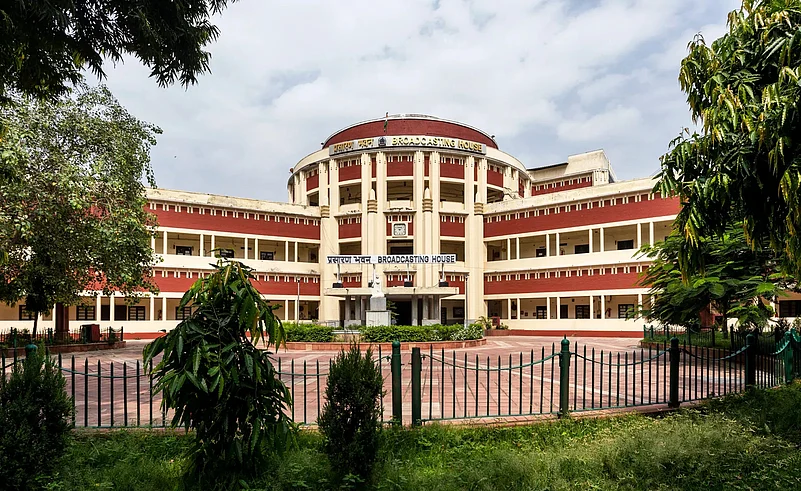
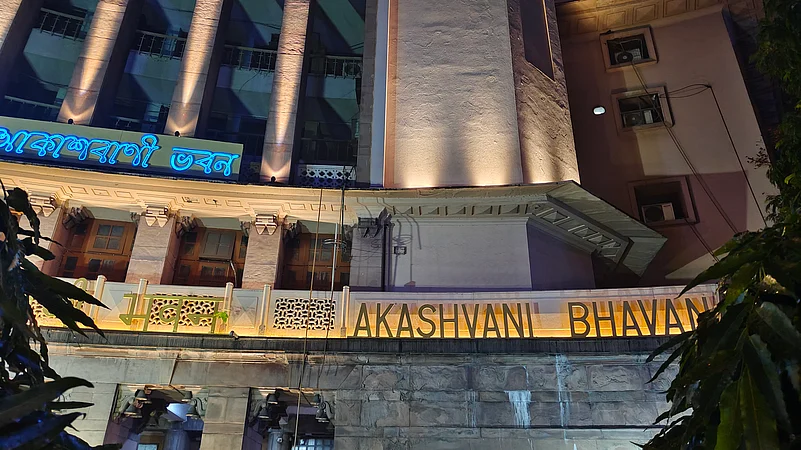
AIR Headquarters: Akashvani Bhavan, New Delhi
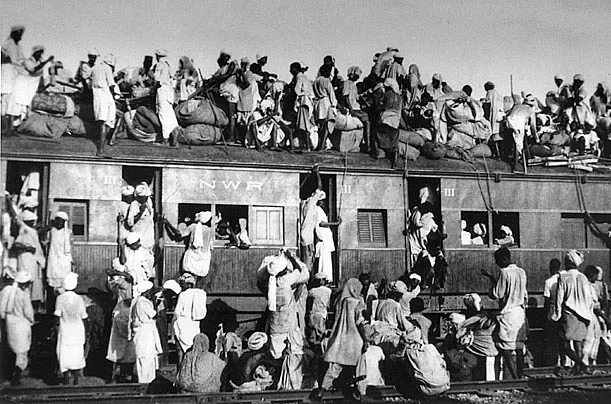
Akashvani Bhavan on Parliament Street in New Delhi became the central hub of national broadcasting. The AIR was developed as part of coordination efforts made during WWII, with the aim being to broadcast news, music, and culture to an extensive audience via radio; therefore, providing a platform for many voices to join together regardless of distance. In particular, AIR was vital to connecting people during India’s independence and also during the Partition, when numerous political upheavals occurred. Essentially, it helped bring together fractured communities within the Indian sub-continent through shared access to these numerous broadcasts.
With time, AIR’s reporters and announcers became trusted voices. They commentated on historic events and reached listeners in English, Hindi, and other regional languages. Its services expanded steadily after independence, with the addition of national music and talk programmes in the 1950s.
At the time of independence in 1947, India had six AIR stations in Delhi, Bombay, Calcutta, Madras, Tiruchirapalli, and Lucknow. Over the next decades, the network would spread nationwide, bringing radio to people in towns and villages previously beyond central broadcast reach.
These stations became regional centres of culture and information. AIR Calcutta, for example, not only provided news and music but also fostered local art, drama, and literature in Bengal’s cultural capital. Similarly, AIR Madras served listeners in the south with programmes in Tamil and other regional languages.
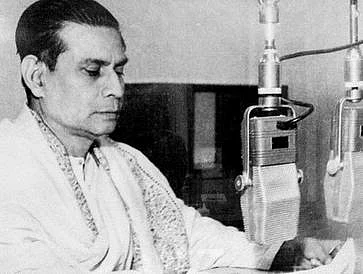
Vividh Bharati Service: Borivali, Mumbai
In October 1957, All India Radio started the Vividh Bharati Service at Borivali (Mumbai) to take on Radio Ceylon and Foreign stations (especially overseas) that provided entertainment. The combination of film music, drama, and entertainment appealed to all generations and from all parts of India.
The service became a national institution, and its daily schedule of various types of programmes served as a backdrop to everyday life in India. Personalities in the film industry and the music industry, who were at the height of their careers, provided their voices to the Vividh Bharati shows, which were among the most popular radio programmes in India.
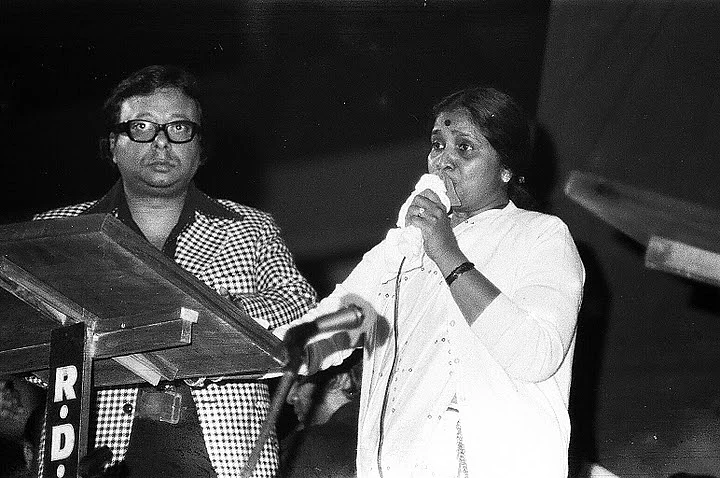
Community Radio: Voices From The Grassroots
The community radio movement gained momentum in the early 2000s after the Supreme Court of India recognised airwaves as public property and regulations evolved to allow more local stations. Campus and community stations began to appear across the country, offering space for local voices and stories.
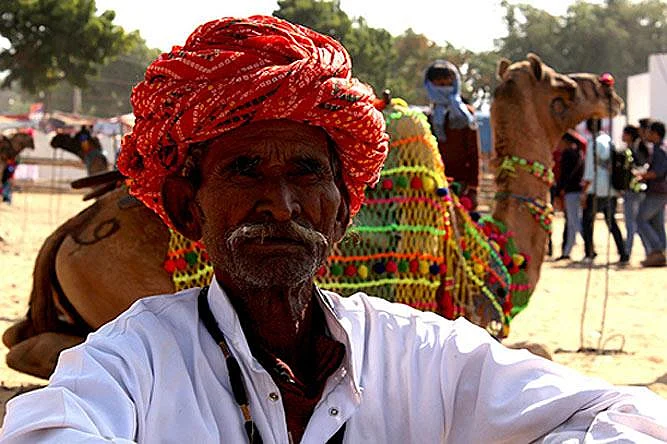
CR Connect (Alfaz-e-Mewat) in Rajasthan connects hundreds of nearby villages with its programmes focused on agriculture, culture, and local issues. This helps reduce the information gap about agriculture and other topics where there is little access to reliable information. This station is providing local residents with opportunities to get involved as technicians and presenters, and is becoming a central point for community members to connect.
Radio Quarantine Kolkata is an example of a recent initiative created by the community in direct response to specific needs. Created during the COVID-19 pandemic (lockdown), it provided cultural and social programming for people unable to gather physically, showing that radio continues to be relevant, even in a digital world.
Community radio stations have also been established in areas like Uttarakhand, where one of the stations, Mandakini Ki Awaaz, provides local news, cultural programming and disaster information to villagers throughout several districts.
In addition to providing information on cultural celebrations, the radio has played a substantial role in the political evolution of India in India’s independence movement. From broadcasting the national leader's speeches during independence to supporting illiteracy and health care initiatives in rural communities, radio has always been a vehicle for people and communication.
Today, All India Radio’s vast network reaches nearly the entire population through hundreds of stations broadcasting in dozens of languages and dialects. Community radio continues to grow as a platform for local voices and cultural expression, ensuring that radio remains relevant in India’s media landscape.
FAQs
Why is World Radio Day important in India?
World Radio Day highlights radio’s role in India’s freedom movement, nation-building and cultural communication, from underground broadcasts to a nationwide public service network.What was Congress Radio and why was it significant?
Congress Radio was an underground station launched in 1942 during the Quit India Movement that broadcast anti-colonial messages and real-time updates, becoming a powerful tool of resistance.Where did radio broadcasting begin in India?
Early radio experiments began in Bombay, Calcutta and Madras in the 1920s through amateur clubs and later formal stations under the Indian Broadcasting Company.What role did All India Radio play after independence?
All India Radio unified the country by broadcasting news, music and education in multiple languages, reaching both urban and rural audiences across India.How does community radio keep radio relevant today?
Community radio stations empower local voices by sharing hyperlocal news, culture, agriculture and disaster information, keeping radio deeply connected to everyday life.