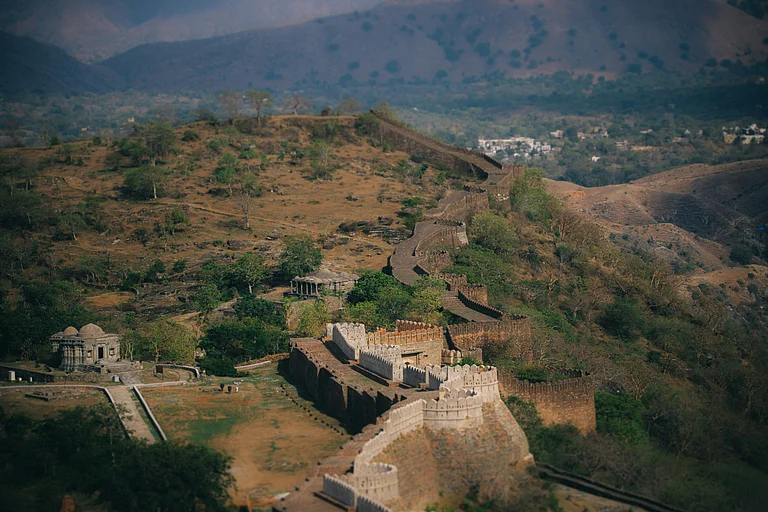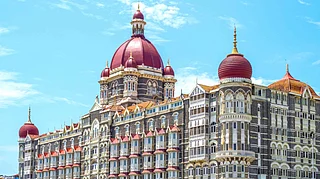


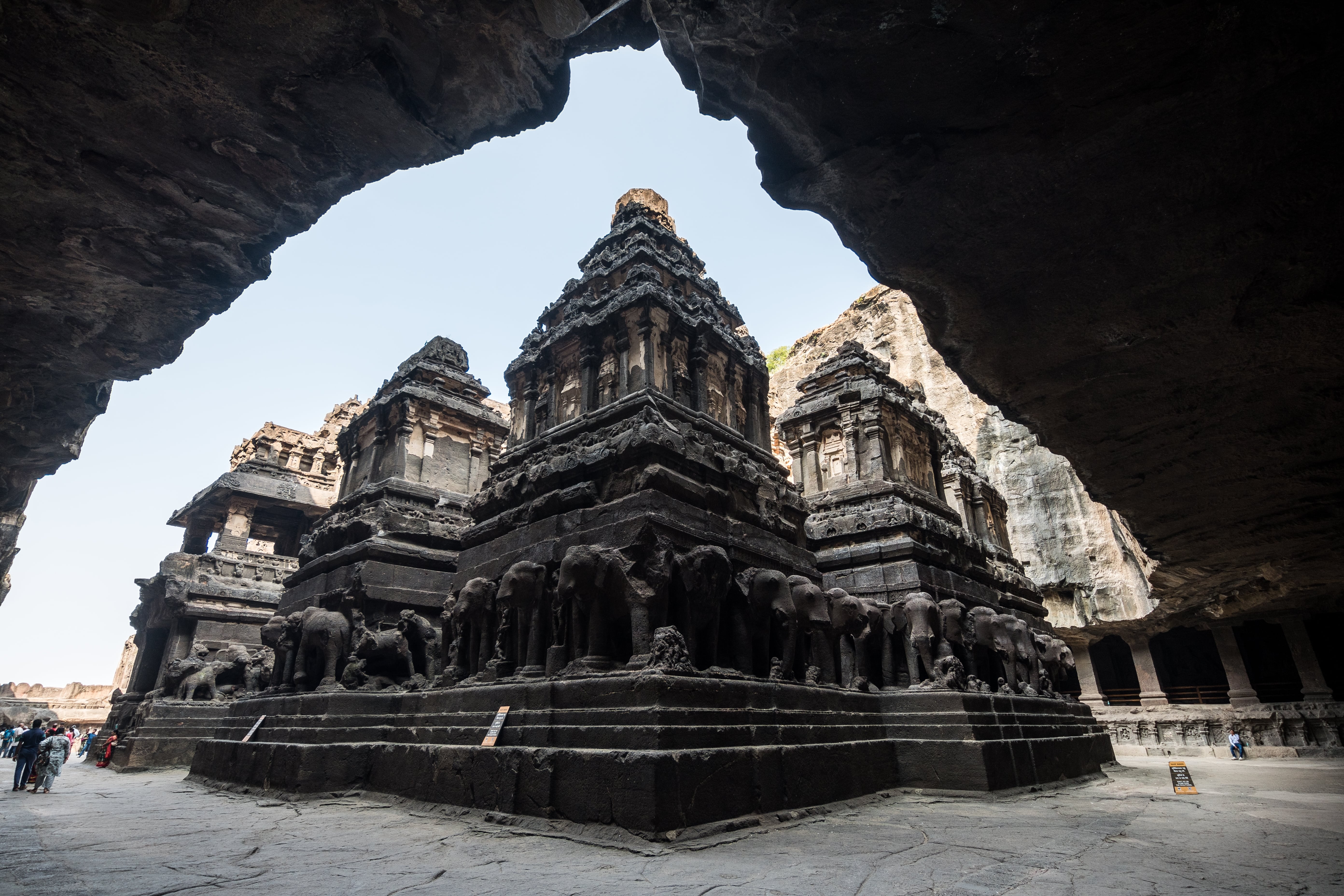
Every year, millions of people cross continents, board trains at dawn, and stand patiently in long queues for one simple reason: to feel India’s history come alive. On National Tourism Day 2026, there is no better moment to revisit the country’s most visited heritage sites and understand why they continue to fascinate first-timers and repeat travellers alike. These places are not just monuments; they are memory makers.
Taj Mahal, Agra
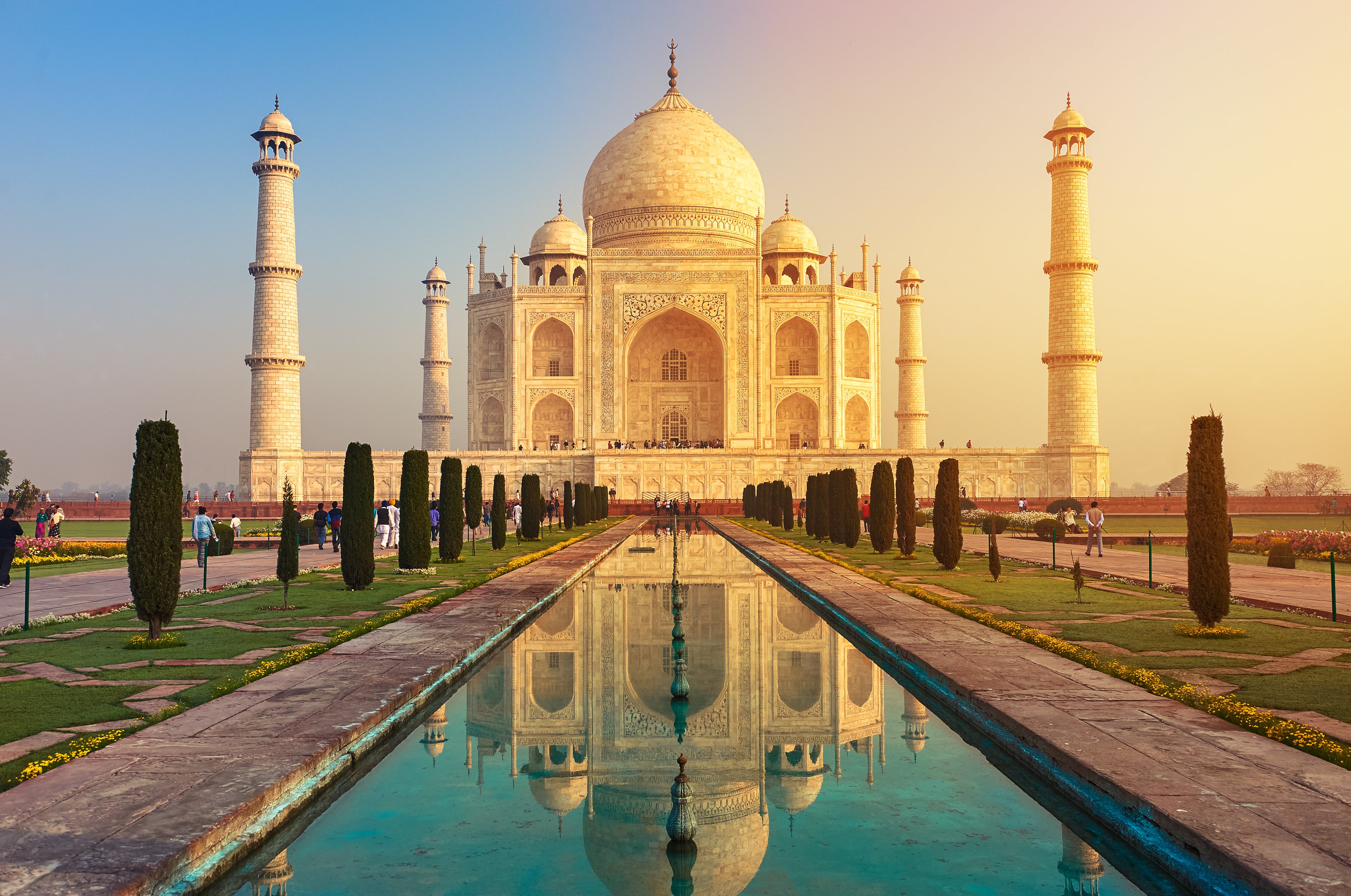

You are familiar with the silhouette. You have likely made your acquaintance with its form through some combination of photography, film and/or postcards. But nothing prepares you for your first encounter with the actual Taj Mahal. As this iconic structure emerges from behind the main entryway, one cannot help but be awestruck by such a magnificent sight. Built in the 17th century by the Mughal emperor Shah Jahan as a tribute to his beloved wife, Mumtaz Mahal, the architecture combines Persian symmetry and Indian craftsmanship. The Taj consists of a finely made dome and intricate carvings of floral designs created using semi-precious stones inlaid into the marble of the dome. When at sunrise or sunset, the sun rays reflect off the white marble, changing the colour of the structure, you understand why this site continues to be one of the most popular tourist destinations in India.
Qutub Minar, Delhi
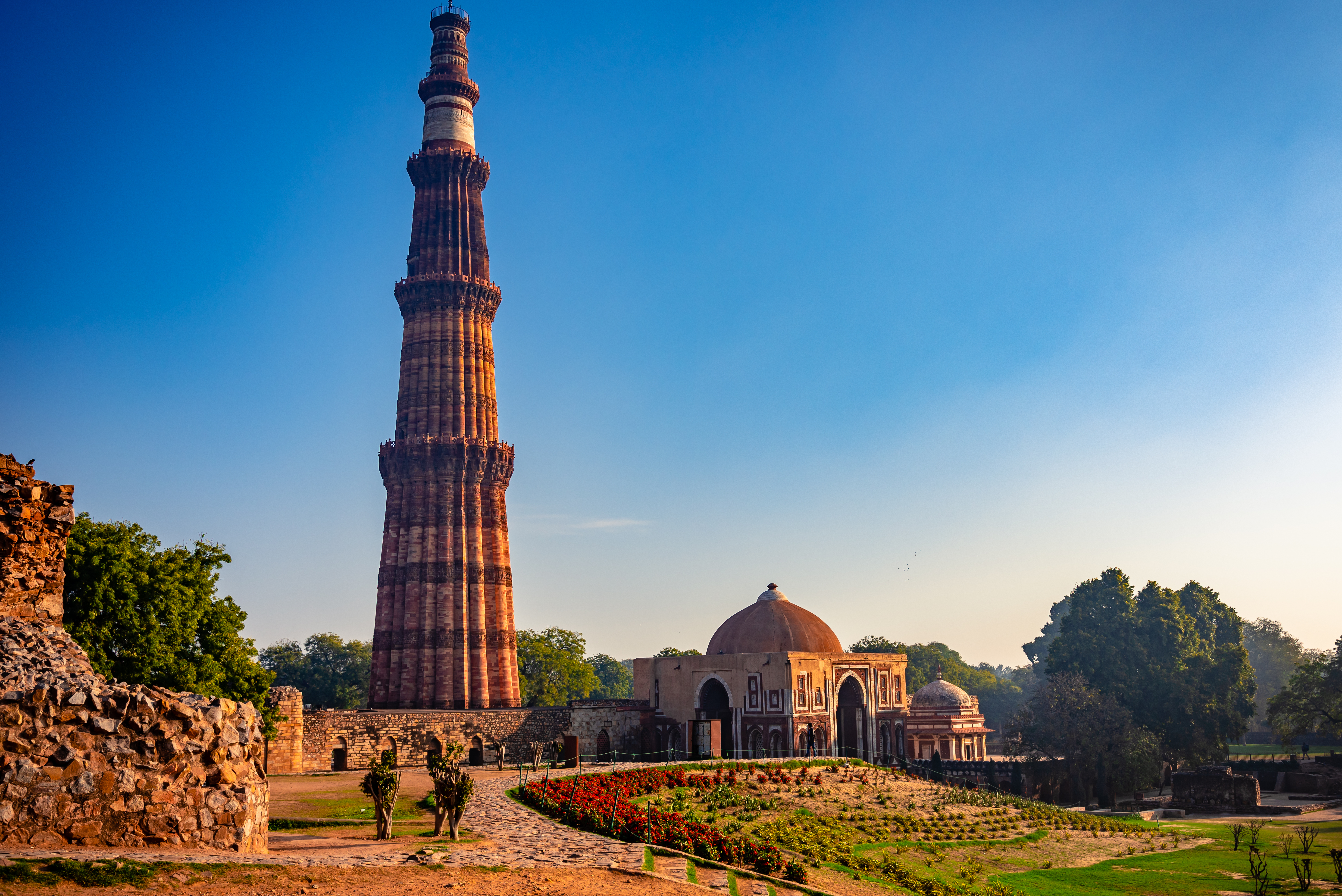
The Qutub Minar marks the rise of the Delhi Sultanate (the Islamic Caliphate of India that lasted from 1193-1210), which evokes the Islamic architectural styles found in Persia, Syria, and Egypt. Built in the late 12th century, the Qutub Minar represents a transition period in history when a variety of new dynasties, dynastic styles, and cultural ideas emerged and completely changed India's cultural identity. In the history of India, the Qutub Minar represents the rise of the Delhi Sultanate, with all its new kings, culture, styles and influences from Persia and Arabia. Qutub Minar's narrow diameter and tall height evoke both a majestic and elegant structure that gave way to new styles of architecture, combined with the use of intricately carved sandstone to create the visual impact of architectural grandeur.
Red Fort, Delhi
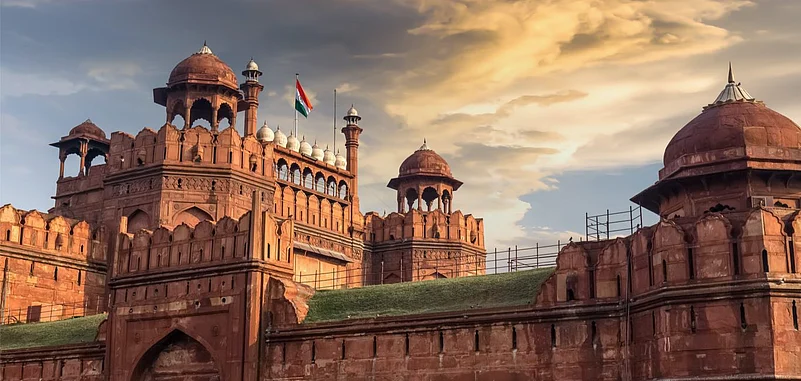
Located in the centre of Old Delhi, the Red Fort is a monument to the glory and power of the Mughal Empire at the height of the empire in the middle of the 17th century. It is also where India’s Prime Minister delivers the annual address on Independence Day. Built like a self-contained city, the Red Fort comprised several palaces for the emperors and audience halls and gardens, which became the social and political centres of the Mughal Empire. The architecture of the Red Fort combines traditional Mughal architectural elements with elements of Western-style architecture.
Agra Fort, Agra
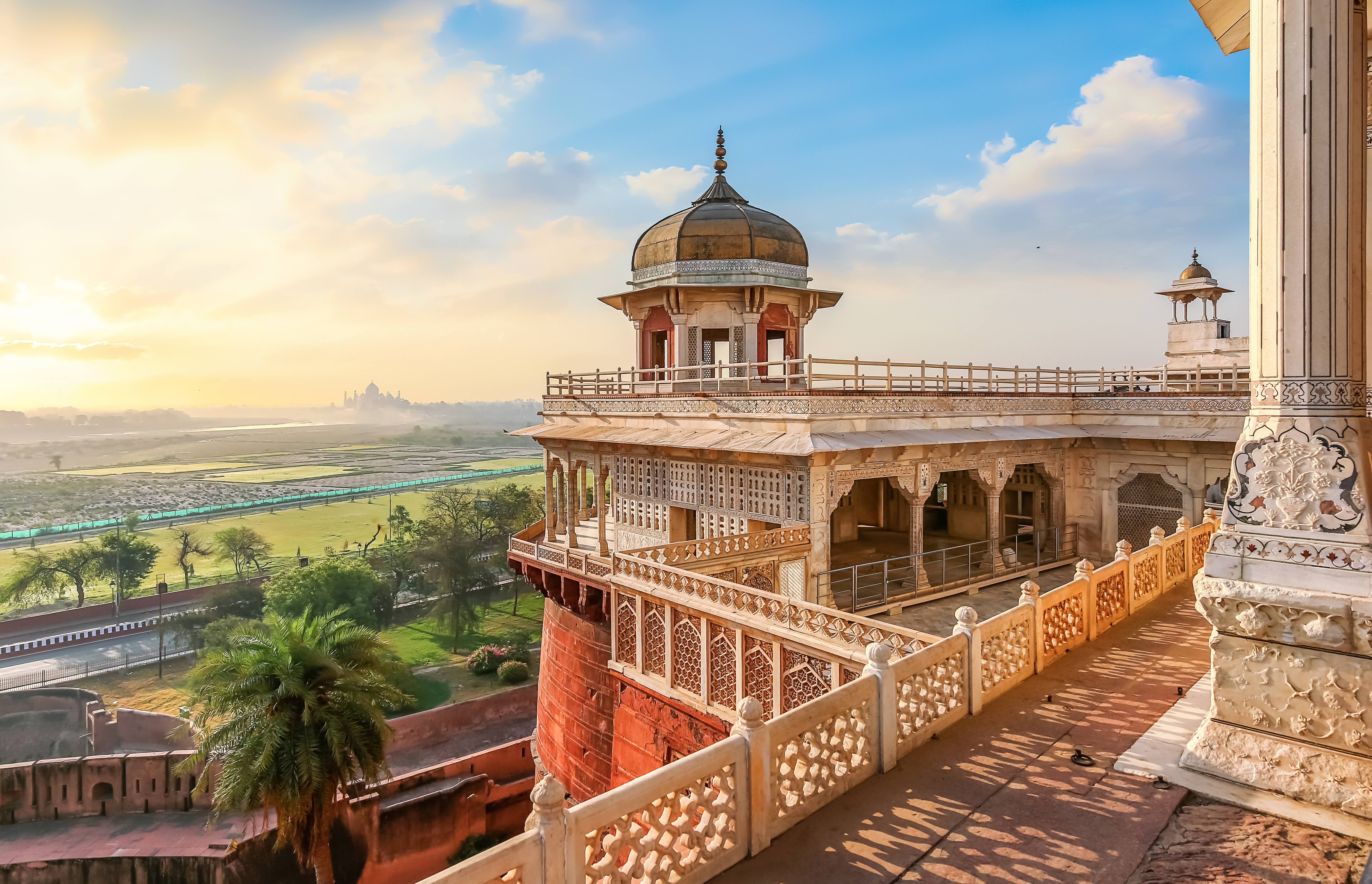
The Taj Mahal may overshadow Agra Fort in tourism terms, but if you take the time to explore Agra Fort, you will find it just as expansive. These ancient fortress walls were the home of the Mughal Emperors long before the Taj Mahal was ever constructed. Housing palaces, mausoleums, mosques, and huge audience halls, it exemplifies the union between military might and refined artistic beauty through architectural elements of marble inside and sandstone for the walls outside. Most notably, it is known for being the place where Shah Jahan spent his final years imprisoned and staring at the Taj Mahal from afar.
Hampi, Karnataka

Hampi is best described as a historical landscape composed of separate sites of timed history located among hilly terrains formed from granite boulders and along the flowing riverbanks. In the 14th and 15th centuries, the capital city of the Vijayanagara Empire was one of the largest and wealthiest cities on earth. Although today Hampi has been reduced to its remains, it still displays evidence of its former glory with the grand temples, market streets, palaces, enclosures, and stone representations of royal chariot teams. The architecture throughout Hampi reflects a high level of attention to the use of scale and symbolic meaning combined with religious devotion and imperial ambition. Visit Hampi to experience its rich cultural atmosphere as the first rays of light strike this historical site every morning at sunrise, giving an impression of an unbroken continuum of time that enables the stones to speak their truths.
Ajanta Caves, Maharashtra
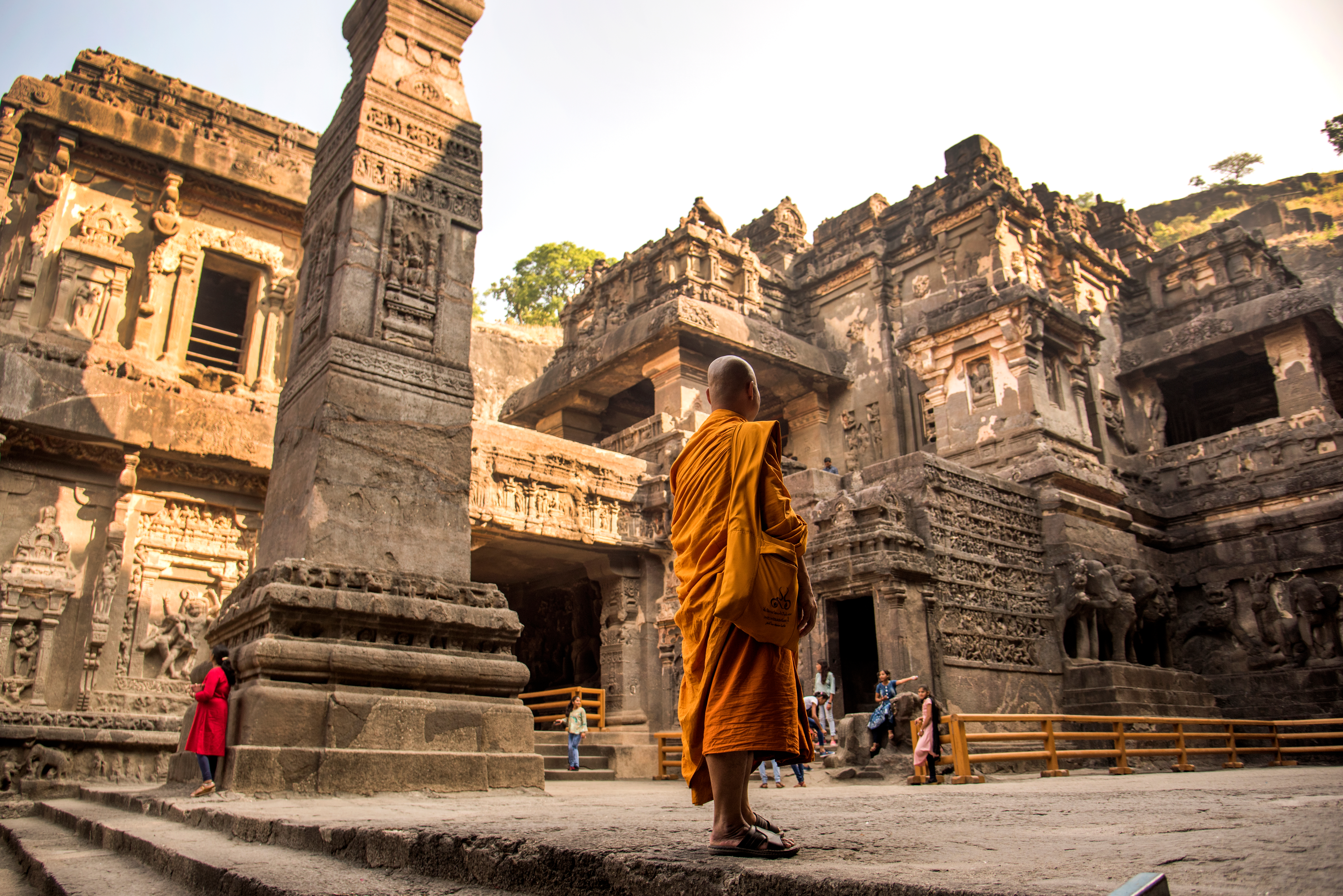
Located in the Ajanta Hills of Maharashtra, India, the Ajanta Caves date back to the 2nd century BCE and the 5th century CE, and were constructed by Buddhist monks as prayer and meditation spaces. The Bijapur Bagh Caves in the Ajanta complex are an extraordinary example of Buddhist art that includes murals and ornate stone sculpture. Like other significant sites in India, the Ajanta Caves are very popular, having become a thriving centre for tourism. However, the caves create a unique experience for the visitor with regard to size and beauty, as they are carved into a cliff in the shape of a horseshoe. Known for their superior artistry and acoustic properties, Ajanta represents the preservation of one of the finest remaining examples of ancient Indian paintings.
Sun Temple, Konark
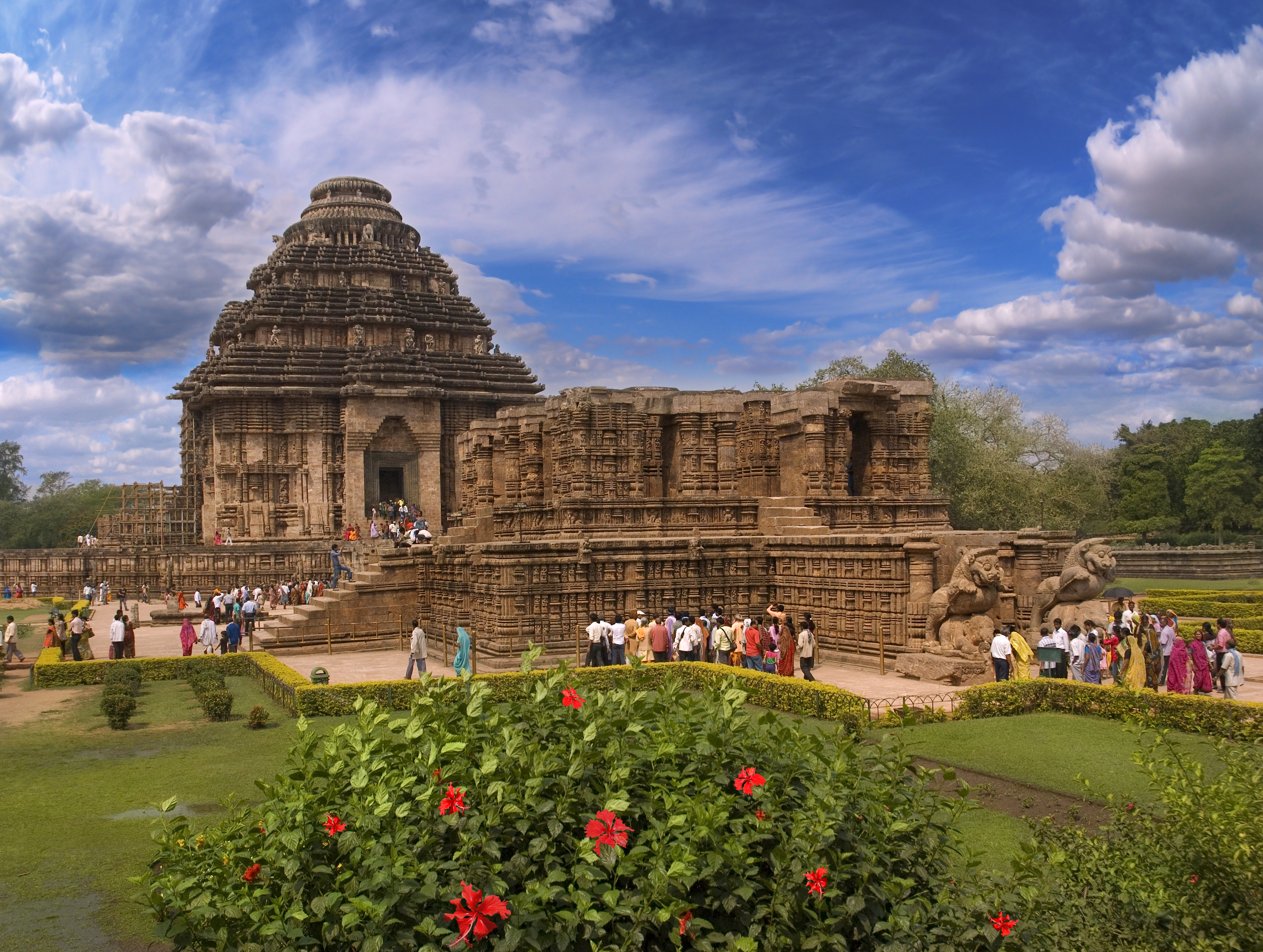
If you ever thought about what a colossal stone chariot would look like, you'd probably think of the Konark Sun Temple. Designed as a huge stone chariot dedicated to Surya (the Sun God), the temple carries a rich cultural heritage. The wheel of Konark was used as a sundial, and thus represented the passage of time within a cosmic context. Constructed in the 13th century, it contains exquisitely carved images that depict everyday life, celestial beings and mythology. Although the True West Temple has fallen victim to the ravages of time, it is an extraordinary architectural achievement. A much-visited historical site owing to the fine craftsmanship, it reflects the long-standing relationship between mankind and the cosmos.
FAQs
1. Why is National Tourism Day celebrated in India?
National Tourism Day is observed to highlight the importance of tourism in India’s economy and to promote sustainable travel and heritage conservation.
2. Which is the most visited heritage site in India?
The Taj Mahal in Agra consistently ranks as India’s most visited heritage monument, attracting millions of domestic and international tourists every year.
3. Why does Hampi attract so many visitors despite being in ruins?
Hampi’s dramatic boulder-strewn landscape, monumental ruins and legacy as the former capital of the Vijayanagara Empire make it one of India’s most atmospheric heritage destinations.
4. What makes Ajanta Caves a UNESCO World Heritage Site?
The Ajanta Caves are renowned for their ancient Buddhist murals, rock-cut architecture and exceptional paintings dating from the 2nd century BCE to the 5th century CE.
5. Is the Konark Sun Temple still a major tourist attraction?
Yes, despite partial structural damage over time, the Konark Sun Temple remains a major draw due to its extraordinary stone carvings, symbolic chariot design and historical significance.