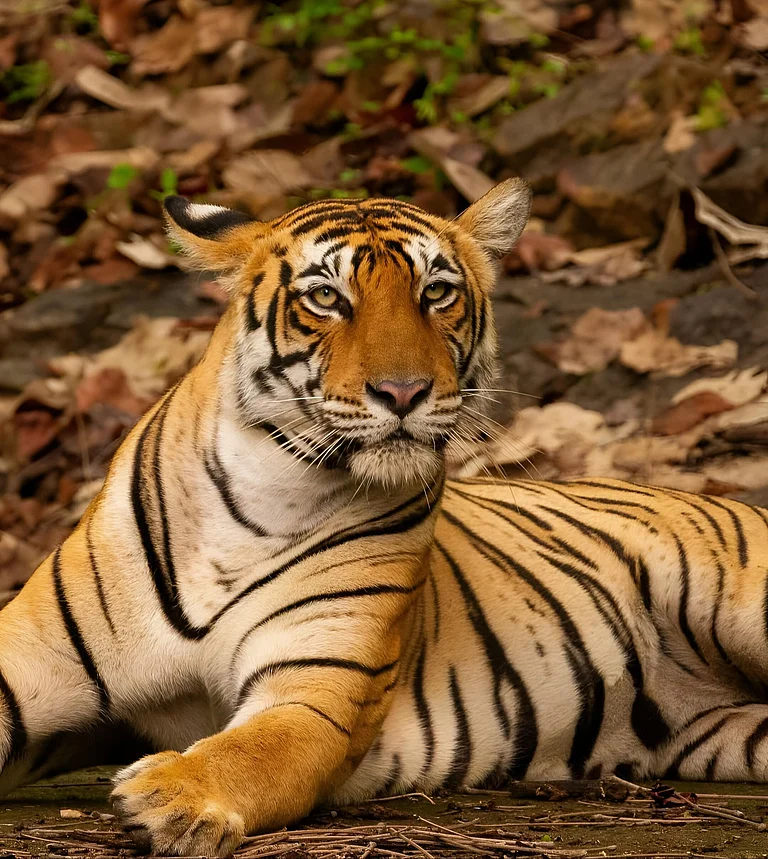


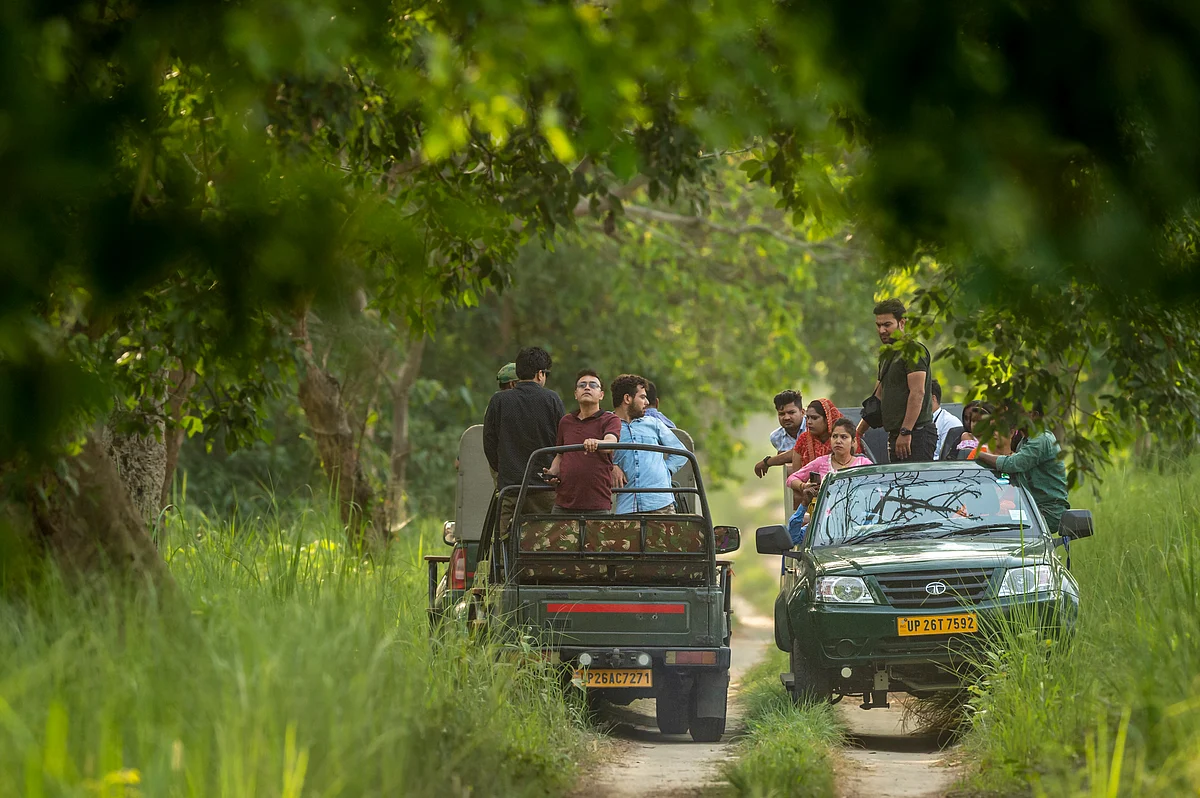
Few moments in the wild compare to seeing a tiger in its natural habitat. One second the forest is still, the next a flash of orange melts out of the trees, pauses just long enough for your heart to stop, and disappears again. For wildlife lovers, that moment alone makes every early morning safari worth it.
Tigers are masters of stealth, so sightings are never guaranteed. But choosing the right reserve can dramatically improve your odds. India is home to some of the world’s finest tiger habitats, places where healthy prey populations, protected landscapes, and experienced forest management have allowed tigers to thrive. These reserves don’t just offer tiger sightings; they offer unforgettable jungle experiences filled with sounds, smells, and surprises at every turn.
Here are five of India’s best tiger reserves where your chances of spotting the big cat are among the highest.
Tadoba-Andhari Tiger Reserve, Maharashtra
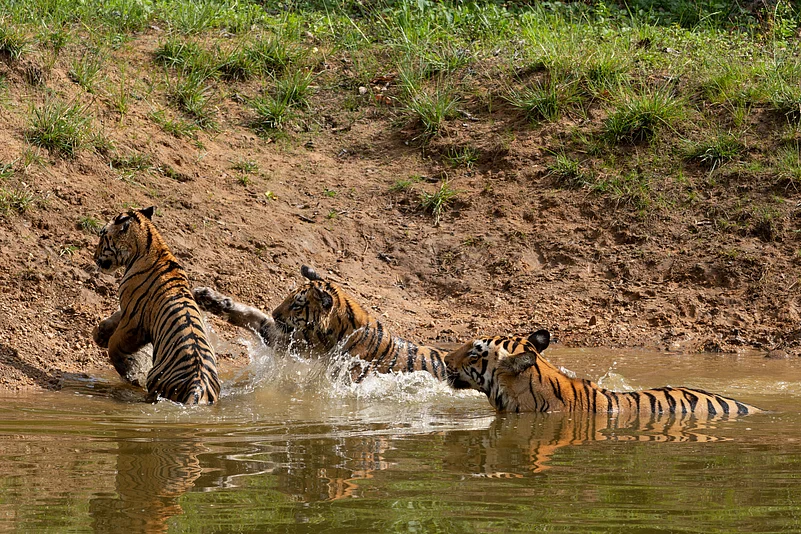

Ask seasoned wildlife trackers where sightings are most reliable, and Tadoba’s name comes up again and again. Often called the “Land of Legendary Tigers,” this reserve has earned its reputation through consistently strong sightings year after year.
The terrain here is relatively open, with dry deciduous forests, grasslands, and plenty of waterholes. During warmer months, tigers frequently move out into the open to cool off, sometimes resting right beside safari tracks. It’s not uncommon to see a tiger lounging in full view, completely unbothered by vehicles.
Tadoba also feels refreshingly raw compared to more commercial parks. Along with tigers, you may encounter leopards, sloth bears, wild boar, and marsh crocodiles basking along riverbanks.
What to see: Tigers, leopards, sloth bears, wild boar, marsh crocodiles
Best time to visit: October to June
Pench Tiger Reserve, Madhya Pradesh & Maharashtra
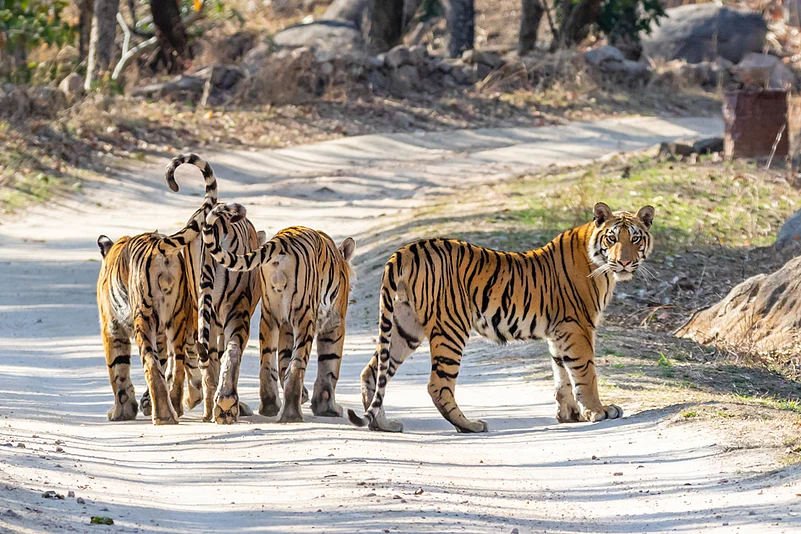
Pench has a charm that’s hard to describe unless you’ve been there. Its gently rolling forests, open grasslands, and winding rivers create a landscape that feels straight out of a storybook, which makes sense, as it inspired The Jungle Book.
The park has a healthy tiger population and excellent visibility, especially in the core zones. Chital and sambar deer are abundant, which keeps predators active and visible. Pench is also one of the better reserves for spotting wild dogs, and birdlife here is exceptional.
For first-time safari-goers, Pench is an excellent choice. The terrain is forgiving, the safari routes are well managed, and sightings, while never guaranteed, are frequent enough to keep excitement levels high.
What to see: Tigers, sloth bears, wild dogs, chital, sambar, hornbills
Best time to visit: October to June
Satpura Tiger Reserve, Madhya Pradesh
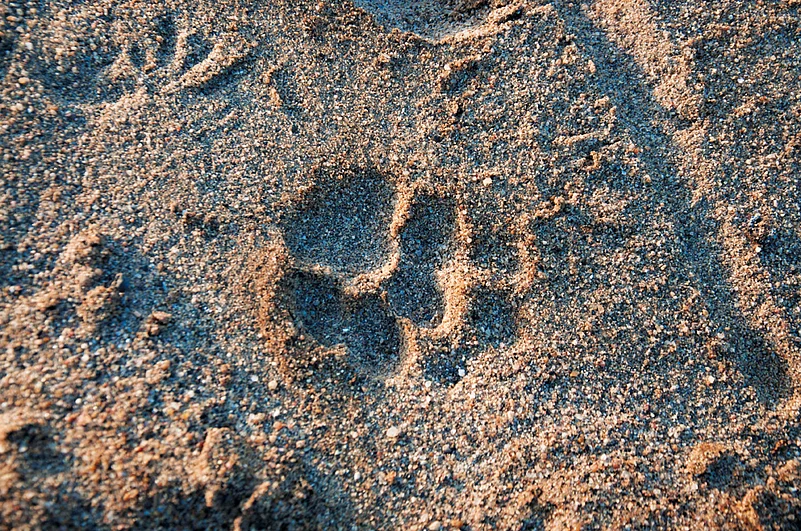
Satpura is for those who want their tiger safari with a side of adventure. Vast, rugged, and far less crowded than many popular parks, this reserve offers a more immersive wilderness experience.
Tiger sightings here are more unpredictable, but that’s part of the appeal. The landscape is dramatic, rocky hills, dense teak forests, deep valleys, and winding rivers. Leopards are commonly seen, and the diversity of herbivores is impressive, including nilgai and the rare four-horned antelope.
One of Satpura’s biggest draws is its walking safaris, something very few Indian reserves offer. Being on foot in tiger country, accompanied by trained guides, is an unforgettable way to experience the forest and understand its rhythms.
What to see: Tigers, leopards, nilgai, four-horned antelopes, sambars
Best time to visit: October to April
Bandhavgarh National Park, Madhya Pradesh
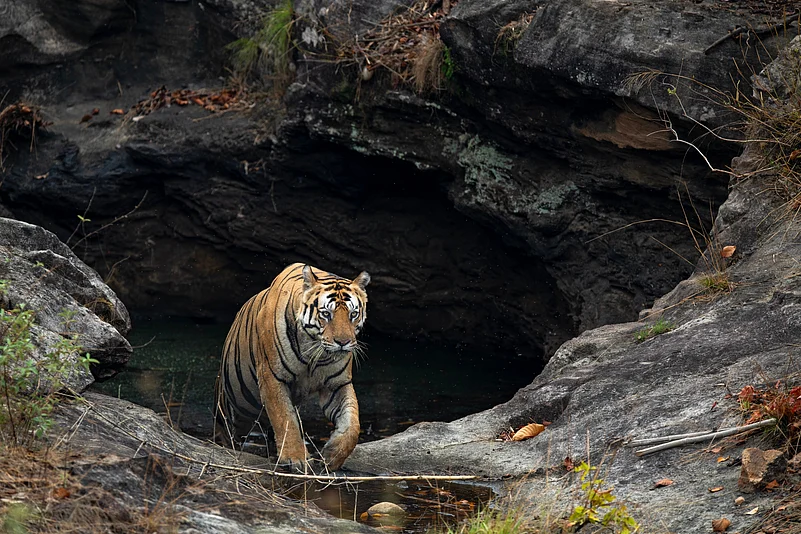
Bandhavgarh consistently ranks among the best places in India to see tigers, largely because of its exceptionally high tiger density. The park is relatively small, which means animals are encountered more frequently along safari routes.
The landscape is striking, steep hills, forested valleys, open meadows, and the ancient Bandhavgarh Fort looming above it all. Tigers here are famously bold, and sightings often happen at close range, making this a favourite among wildlife photographers.
Even when tigers aren’t visible, the forest feels alive. Herds of deer move constantly, langurs sound alarm calls, and birdlife fills the canopy.
What to see: Tigers, leopards, sambar, chital, Bandhavgarh Fort, birds
Best time to visit: April to June
Kanha Tiger Reserve, Madhya Pradesh
.jpg?w=801&auto=format%2Ccompress&fit=max&format=webp&dpr=1.0)
Kanha is often considered the gold standard of Indian tiger reserves. Its vast, beautifully managed landscape of rolling meadows, bamboo forests, and sal trees supports a thriving ecosystem.
Tigers are frequently seen crossing grasslands or walking along forest tracks, especially during early morning safaris. Kanha is also the last stronghold of the barasingha, or swamp deer, which adds to the park’s unique appeal.
What truly sets Kanha apart is how complete the experience feels. Excellent guides, well-maintained safari zones, and an astonishing variety of wildlife make every visit deeply rewarding, whether or not a tiger appears.
What to see: Tigers, leopards, barasingha, wild dogs, rich birdlife
Best time to visit: October to June
Tiger spotting will always involve an element of luck, and that’s part of what makes it so special. But visiting the right reserves dramatically improves your chances while offering experiences that go far beyond a single sighting. Whether it’s Tadoba’s bold tigers, Kanha’s sweeping landscapes, or Satpura’s wild solitude, each of these parks offers a different window into India’s incredible natural heritage.
FAQs
1. Which tiger reserve offers the best chance to see tigers?
Bandhavgarh and Tadoba-Andhari have the highest tiger sightings.
2. When is the best time for a tiger safari?
October to June is ideal across most reserves.
3. Are safaris safe for first-timers?
Yes, guided jeep safaris are safe and well-managed.
4. Can I see other animals besides tigers?
Yes—leopards, sloth bears, elephants, and many birds roam these parks.
5. How do I book a safari?
Book online via official park portals or authorised tour operators.