


Egypt is a place that feels both eternal and electric, where antiquity hums beneath the chaos of modern life, and every street seems to carry a story older than time itself. One moment you’re standing before monuments that have outlived empires; the next, you’re navigating honking traffic, fragrant food stalls and conversations conducted at full volume. It’s thrilling, overwhelming, deeply rewarding, and absolutely not a destination you want to arrive in unprepared.
If Egypt has been calling your name for 2026, consider this your ultimate, one-stop guide to travelling smart, safe and satisfied. From visas and weather to etiquette and safety, here’s everything you need to know.
Visas And Entry Rules
Most travellers will need a tourist visa to enter Egypt, and while visas are available on arrival, applying in advance is the smarter move. An e-visa saves time at the airport and avoids last-minute paperwork stress after a long flight. Tourist visas are typically valid for 30 days, with options for single or multiple entries depending on your travel plans. Your passport should be valid for at least six months beyond your return date. If you’re sticking to certain Sinai resort areas for a short stay, entry rules may differ, but for broader travel across the country, a full visa is essential.
Planning Your Itinerary
Egypt may look manageable on a map, but distances, traffic and logistics can stretch even the simplest plans. Organising your itinerary by region rather than attraction helps minimise travel fatigue, especially in cities like Cairo where traffic can turn short hops into long hauls. Beyond the pyramids, Egypt offers temple towns along the Nile, Red Sea beach escapes, desert oases and cultural hubs that deserve time and patience. Whether you’re cruising between Luxor and Aswan or splitting time between cities and the coast, building a realistic, well-paced route is key to enjoying the journey.
Getting Around The Country


Public transport works best in pockets. Cairo’s metro is efficient and affordable, while ride-hailing apps are reliable in major cities. For longer distances, domestic flights and organised transfers are far more practical than self-driving, which can be stressful due to erratic traffic patterns and Arabic-only signage. Trains and buses connect many cities along the Nile, but schedules can be unpredictable. Hiring a licensed guide or driver, especially for historic routes, often makes travel smoother and more informative.
Dressing For Egypt
Egypt is modern but culturally conservative, and dressing with awareness makes a noticeable difference. Lightweight, breathable fabrics such as cotton and linen are ideal for the climate, while loose silhouettes help with both comfort and cultural sensitivity. Shoulders and knees should generally be covered in cities, markets and religious sites, though beach destinations are far more relaxed. Resorts and coastal towns allow swimsuits, shorts and sundresses, but carrying a light scarf or layer helps transition comfortably between different settings.
Weather And Best Time To Go
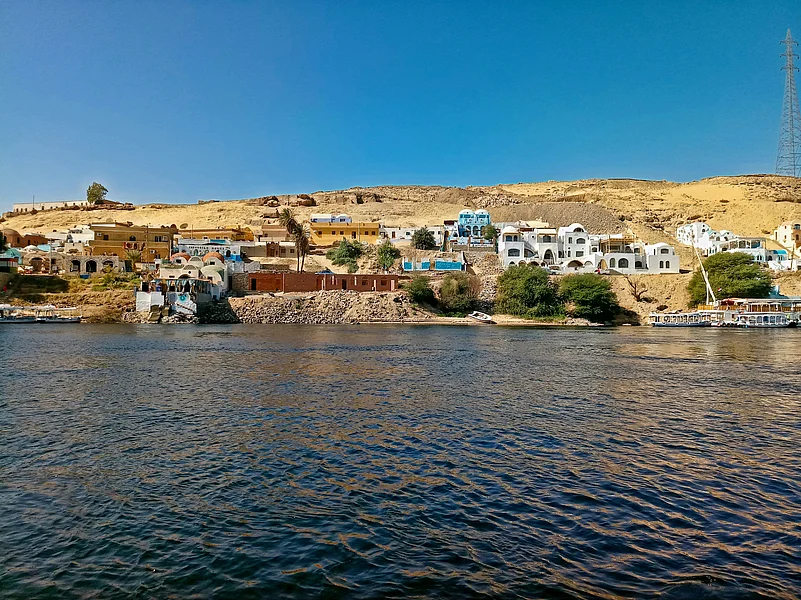
Egypt’s climate swings between extremes. Summers can be brutally hot, particularly between June and August, while winters bring cooler nights that feel colder indoors due to poor insulation. The most comfortable months for sightseeing are between October and March, when daytime temperatures are pleasant and evenings remain manageable. Even then, sun protection is essential year-round. Packing layers alongside sunscreen, hats and sunglasses is non-negotiable, regardless of the season.
Food, Water And Health
Tap water in Egypt isn’t safe for drinking, brushing teeth or washing produce, so bottled or filtered water should be your default. The same caution applies to food choices, Egyptian cuisine is rich and rewarding, but it’s best enjoyed at busy local restaurants or established eateries where turnover is high. Raw salads and unpeeled fruits are best avoided. Carrying basic medication for stomach upsets, dehydration and sun exposure can save you a lot of discomfort.
Money And Tipping Culture

Cash is king in Egypt, even as card payments are accepted at major attractions, hotels, and upscale restaurants. The currency is the Egyptian Pound (EGP), and carrying small denominations is important due to the country’s tipping culture. Known locally as baksheesh, tipping is customary across the service sector—from hotel staff and drivers to guides and restroom attendants. While amounts vary depending on the service, small, frequent tips are part of daily interactions and help keep things running smoothly.
Etiquette And Cultural Norms
Public behaviour in Egypt leans conservative. Displays of affection should be minimal, especially outside tourist-heavy zones. When visiting mosques or historic sites, respectful behaviour matters just as much as appropriate clothing. Photography is generally allowed at landmarks, but people should never be photographed without consent, and restricted areas must be respected. Observing how locals behave in different settings is often the best guide.
Safety And Solo Travel
Egypt is generally safe for tourists, particularly in areas popular with visitors, where security presence is high. That said, awareness goes a long way. Solo travellers, especially women, may encounter unwanted attention—and confident, assertive responses are often the most effective deterrent. Avoid isolated areas after dark, use reputable transport services and stick to crowded spaces when unsure. Tourist police are stationed at major attractions and are trained to assist visitors in emergencies.
Connectivity
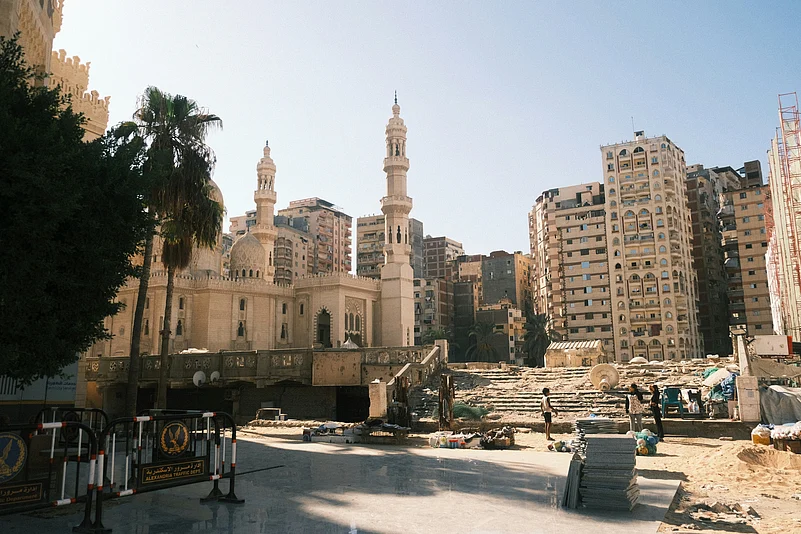
Wi-fi can be unreliable even at luxury hotels, making a local SIM card one of the most useful purchases upon arrival. Mobile data simplifies navigation, bookings and communication. Drones are strictly prohibited without official permission and should be left at home. Alcohol is available in hotels and resorts but is less visible in everyday settings, particularly during religious periods. Small details, like carrying tissues for public restrooms or mosquito repellent for evenings, can make a surprisingly big difference.
The Information
How to Reach?
By Air: Cairo International Airport (CAI) is Egypt’s main gateway, with direct flights from London, Paris, Frankfurt, and Delhi. For Sinai and Red Sea resorts, Sharm el Sheikh International Airport (SSH) is best, with direct charters from Europe and connecting flights from Cairo. Domestic flights are available between Cairo, Luxor, Aswan, and Sharm el Sheikh, making internal travel manageable.
By Land & Water: Trains run along the Nile between Cairo, Luxor, and Aswan, offering a scenic, though slower, alternative to flights. Buses connect major cities, while Nile cruises provide a classic way to move between Luxor and Aswan, combining transport and sightseeing.
Where to Stay?
Cairo: Central hotels near Tahrir Square or Zamalek are ideal for sightseeing and museum access. Luxury options like the Four Seasons or Kempinski offer comfort amid the chaos.
Giza: Hotels with pyramid views are unique, from boutique lodges to five-star resorts. Staying nearby means easy access to early morning tours before the crowds arrive.
Luxor & Aswan: Riverside hotels along the Nile make sunrise and sunset temple visits unforgettable. Mid-range hotels in town are practical for local experiences and bazaars.
Sharm el Sheikh & Red Sea Coast: Beach resorts dominate, offering all-inclusive packages and water-sport activities. Boutique stays and family-friendly hotels provide quieter, personalised experiences.
Where to Shop?
Cairo & Giza: Khan el-Khalili bazaar is legendary for spices, perfumes, papyrus, silverware, and handcrafted souvenirs. Haggling is expected, and the atmosphere is part of the experience.
Luxor & Aswan: Small bazaars around the temples offer alabaster crafts, jewellery, textiles, and Nubian artwork.
Sharm el Sheikh: Modern markets and hotel shops sell local handicrafts, souvenirs, and diving gear. Shopping is easier and less aggressive here, ideal for casual browsing.
What to See and Do?
Cairo & Giza: Explore the Egyptian Museum for pharaonic treasures, wander the bustling souqs, and witness the awe-inspiring Pyramids of Giza and the Sphinx. A camel ride at sunset adds cinematic magic.
Luxor: The Valley of the Kings, Karnak Temple, and Luxor Temple are highlights. Hot air balloon rides over the Nile give unparalleled views of the ancient cityscape.
Aswan: The Temple of Philae, the High Dam, and felucca sails along the Nile showcase serene beauty and Nubian culture. Day trips to Abu Simbel reveal colossal temples carved from rock.
Sharm el Sheikh & Red Sea Coast: Beaches, diving, and snorkelling bring underwater adventure with coral reefs and colourful marine life. Ras Mohammed National Park offers pristine natural scenery, while desert excursions promise sunsets and sand dunes to remember.
FAQs
1. Do travellers need a visa to visit Egypt?
Most travellers require a tourist visa. An e-visa can be obtained before arrival, or a visa is available on arrival at Cairo International Airport.
2. When is the best time to visit Egypt?
The period from October to March offers the most comfortable temperatures for sightseeing and outdoor activities. Summers can be extremely hot.
3. Is Egypt safe for solo travel?
Egypt is generally safe, particularly in popular tourist areas. Solo travellers should remain aware, avoid isolated areas after dark, and use reputable transport.
4. What is appropriate clothing in Egypt?
Lightweight, breathable fabrics are ideal. Shoulders and knees should be covered in cities, markets, and religious sites, while beach resorts allow casual wear.
5. Are credit and debit cards widely accepted in Egypt?
Cash is preferred, especially for small purchases. Cards are accepted at hotels, upscale restaurants, and major attractions, but carrying small denominations for tips (baksheesh) is recommended.


