Sponsored Content
There’s a particular stillness in Telangana’s landscapes that marks a traveller’s visit with a pronounced sense of heritage. This southern Indian state, formed in 2014, draws upon a past that stretches back over a thousand years, shaped and reshaped by dynasties, faiths and marshalled ambition. Walking through its heritage sites, you come away with an understanding that these are not merely stones and carvings, but markers of human endeavour that have endured through time.
The Kakatiya Legacy: Ramappa And Warangal
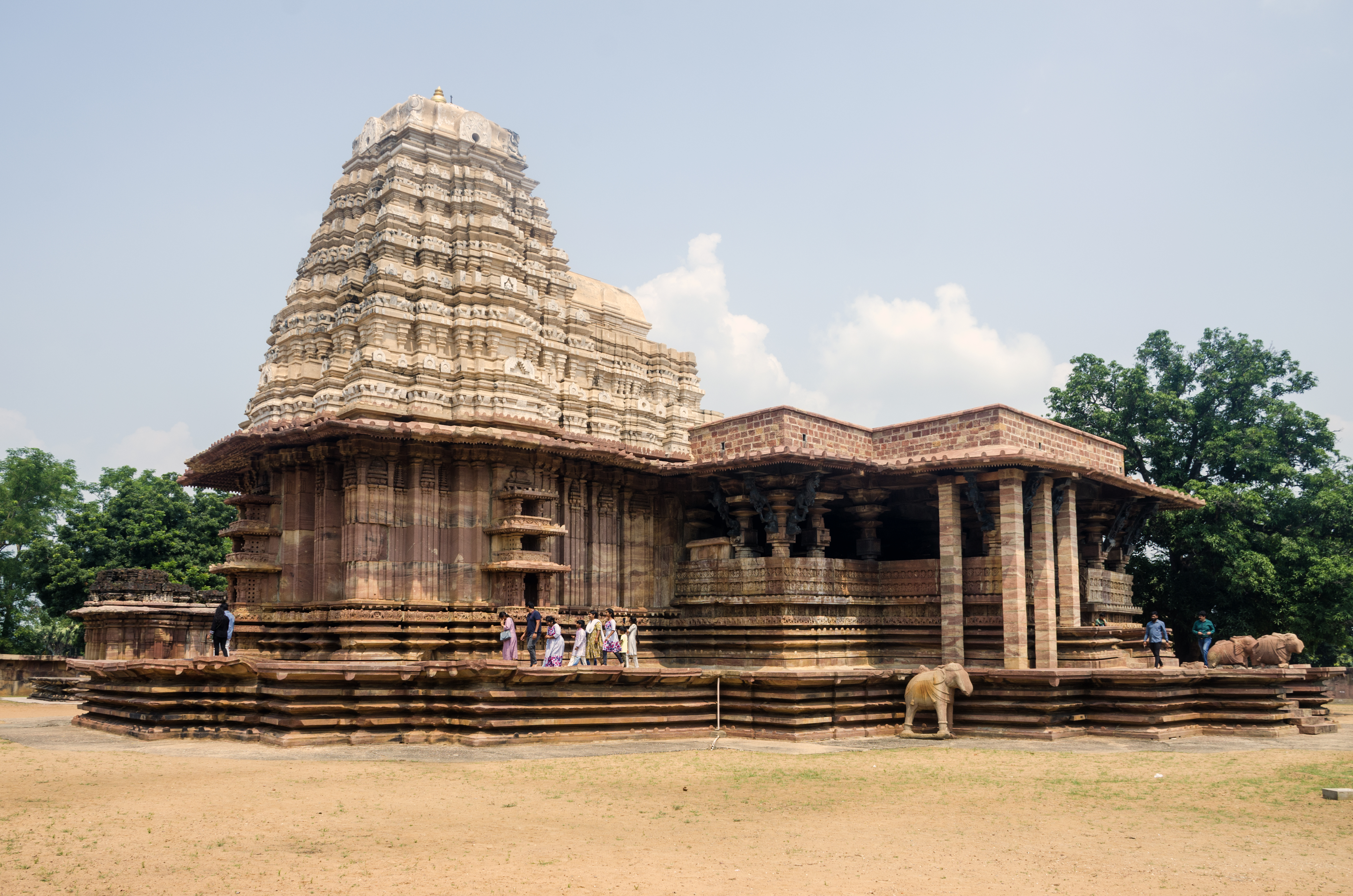

In Telangana’s Mulugu district, Ramappa Temple rises from the ground with an unmatched elegance. Formally called the Rudreshwara Temple, it turned into Telangana’s first inscribed UNESCO World Heritage Site in 2021, and for good reason. The temple’s sandstone pillars, dexterously carved with figures and mythic forms, exhibit a depth of skill rarely found elsewhere in India’s temple architecture. Visitors often take note of the curious lightness of the bricks, locally sourced sandstone that was once tested to float in water, a great testament to the technical ingenuity of the builders.
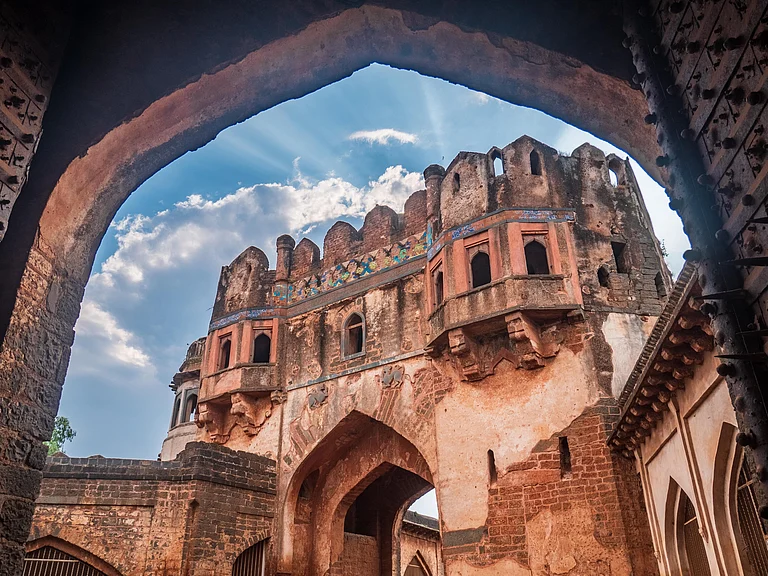
Not too far from here lies Warangal, a city whose very name speaks of its ancient origins. This was once the heart of the Kakatiya dynasty, and the vast Warangal Fort reflects that era’s opulence. Though much of the structure has become ruinous with age, the gateways known as Kala Thoranam still stand, hinting at its original splendour. Nearby, the Thousand Pillar Temple offers another glimpse into the craftsmanship of medieval Andhra with columns and carvings that encapsulate devotion, artistic expression, and engineering in a single space.
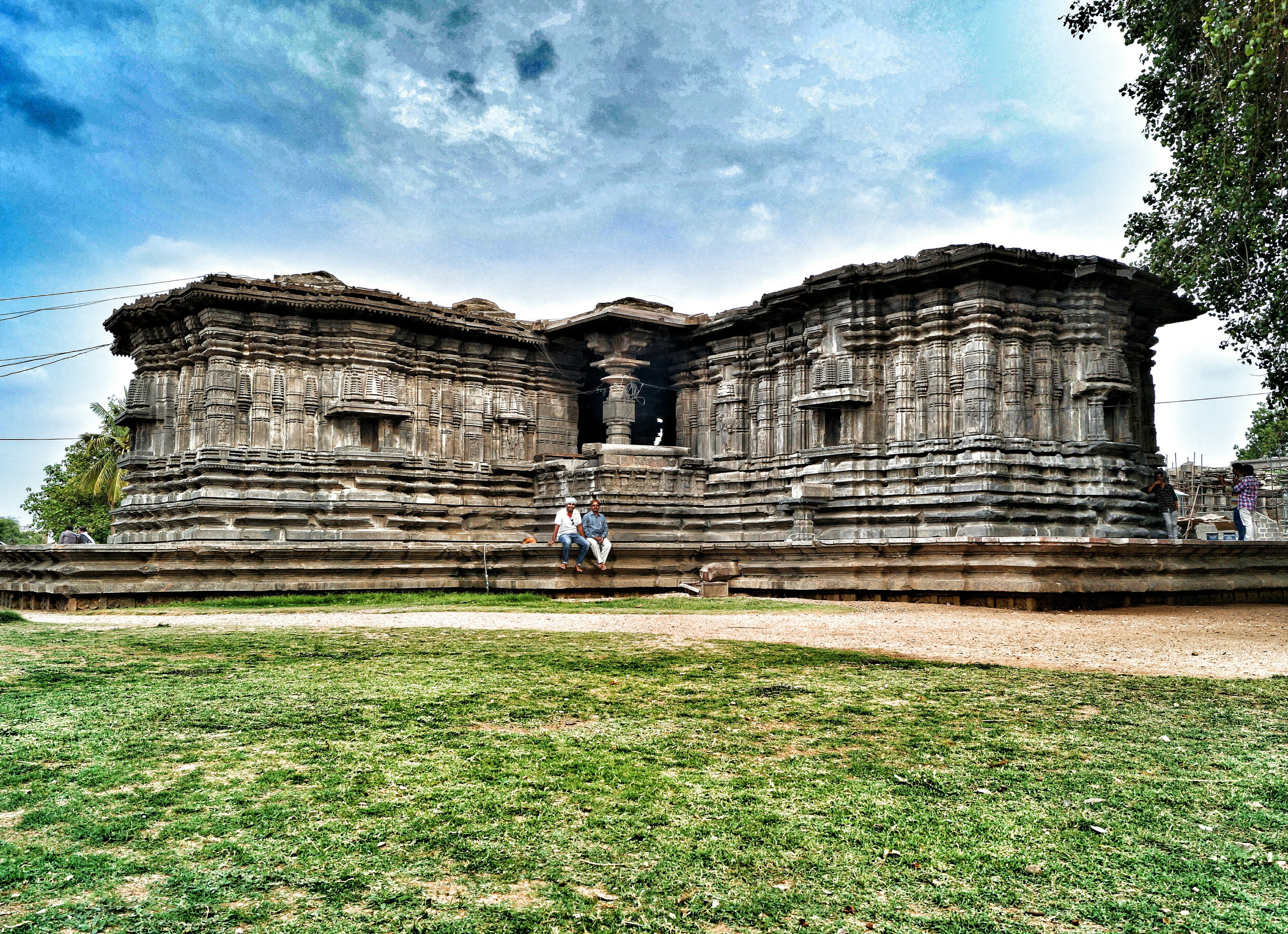
Not to forget, the Kakatiyas also built the Golconda Fort which was later put to great use by the Qutub Shahi rulers.
Each site in this region presents itself as a speech between the past and present. It is possible to get a sense of the heft of the many generations that have preceded us standing among these ruins, as you catch the glimpses of everyday life that continues to thrive around them with a remarkable normalcy.
Hyderabad’s Forts And Palaces
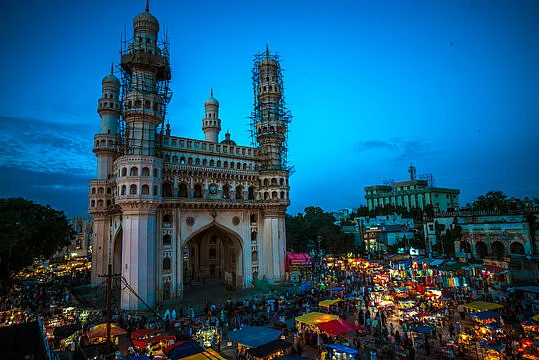
Hyderabad makes for a contrasting chapter in Telangana’s heritage story. Here, the influence of the Qutb Shahi dynasty and later the Nizams can be seen in grand masonry and ornate palaces.
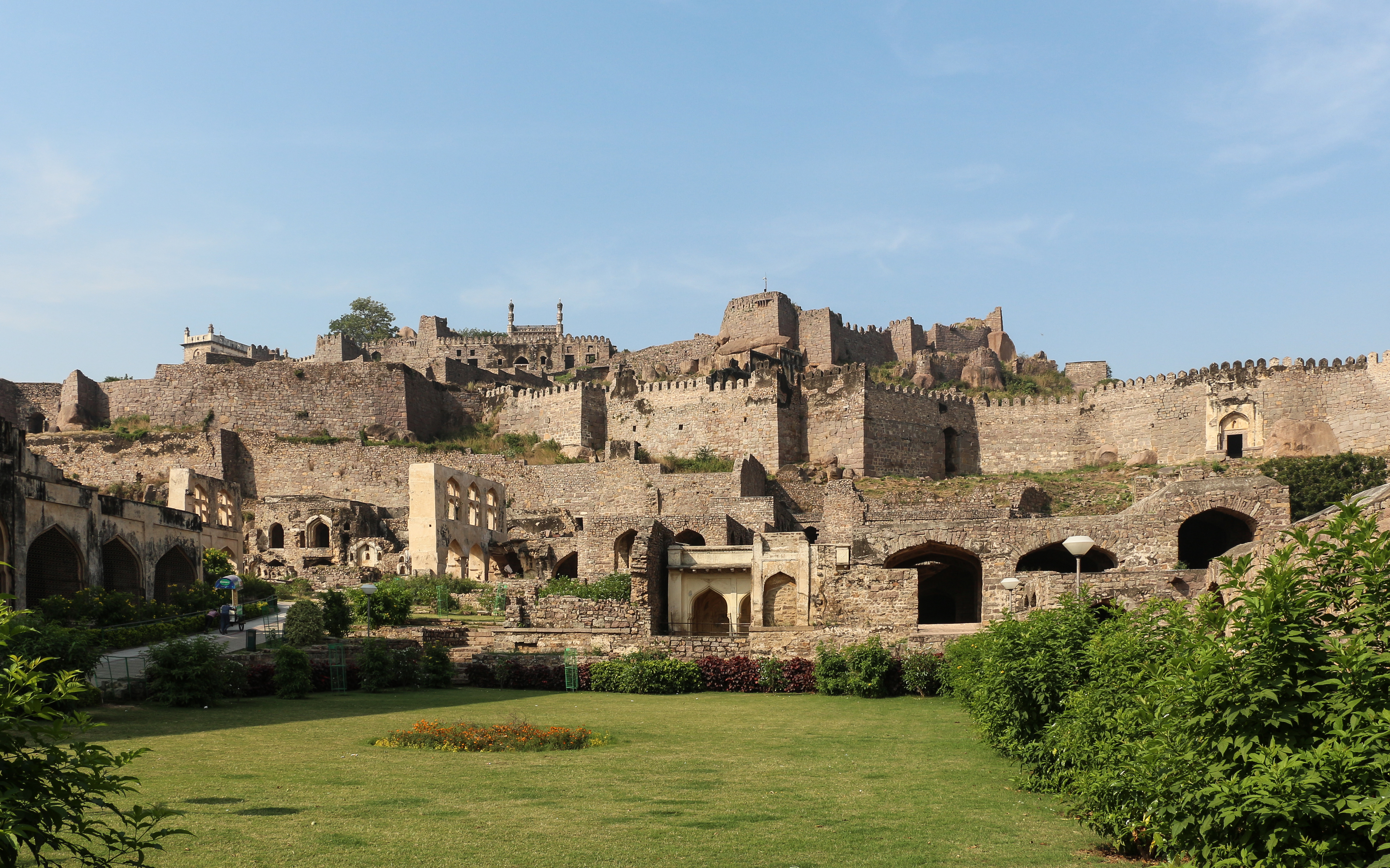
Situated on the western edge of the city, Golconda Fort once used to be the formidable seat of the mighty sultanate and the whole hub was of a lucrative diamond trade. Built originally by the Kakatiyas and later fortified by the Qutb Shahi rulers, its massive stone ramparts rise in columns of strength rather than ornament. Inside, halls and courtyards are reminiscences of the golden age when echoes and acoustics played a pivotal role in courtly life and the fame of Golconda diamonds, supposedly including the renowned Koh-i-Noor, still lingers and mystifies.
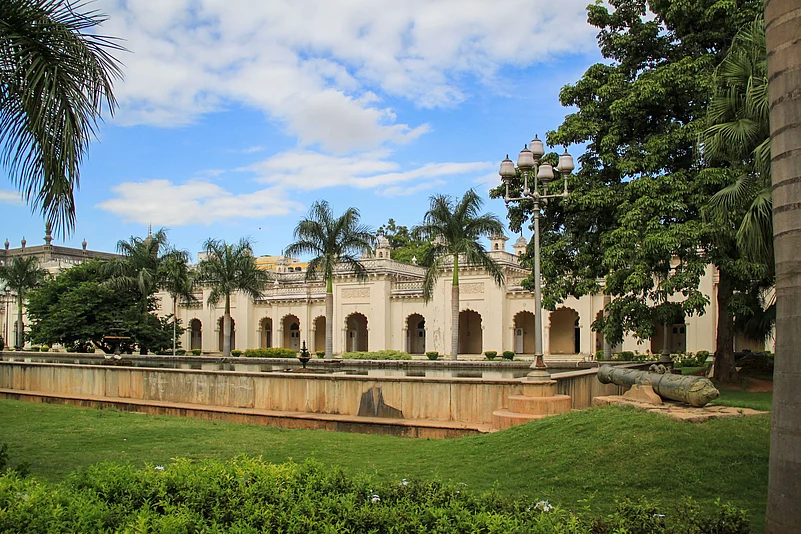
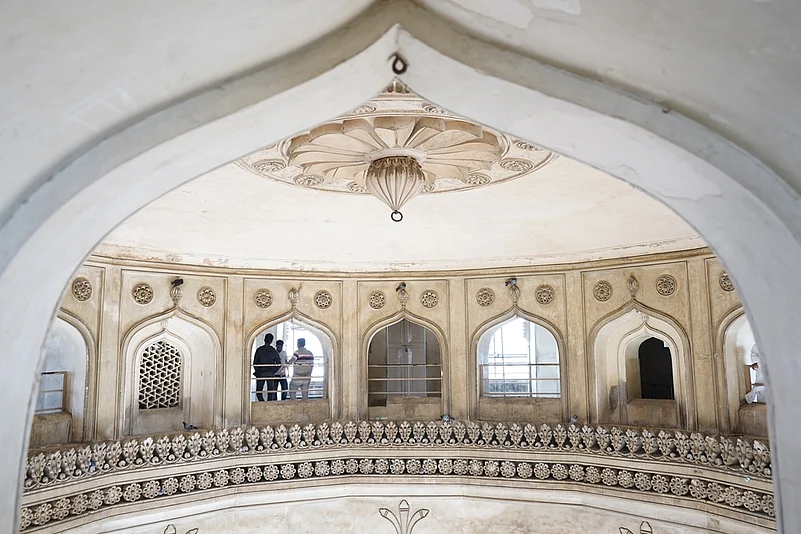
Within the city itself sits Chowmahalla Palace. Unlike the military gravitas and calibre of Golconda, this was a seat of refinement. Constructed across the late 18th and 19th centuries as the official residence of the Nizams of Hyderabad, the magnificent palace is composed of four main mansions arranged around courtyards, with halls for administration and ceremonial gatherings. Today, the palace serves more as a vast museum, preserving artefacts, documents, and even vintage vehicles that once belonged to the ruling family. Its polished halls make clear the lifestyle of Hyderabad’s erstwhile elite.
Hidden Depths: The Stepwells
Off the beaten tracks and away from these iconic landmarks lie Telangana’s ancient stepwells. Built for utility purposes in a land where water could be scarce, these structures served as social spaces and community hubs. Although most of these remain neglected now, their stone steps weatherbeaten and overgrown, there are still places like Korutla Stepwell in Jagtial and the Kichanapalle Stepwell in Medak that give us a good hint at a time when engineering and daily life intersected gloriously. These baolis were not simply water access points but also meeting places, shelters from the heat and in several places centrepieces of village life.
For those willing to seek them out, they offer a different kind of heritage experience—one that is quieter, perhaps more poignant, but richly human.
Reflecting On The Journey
We realise that although compelling in their own right, Telangana’s heritage is not confined to its grand monuments. Its history is also stitched within smaller temples, ancient wells and the everyday rhythms of cities like Warangal and Hyderabad. To properly explore these sites is to engage with layers of civilisation not simply as a static exhibit but one that reciprocates, inviting travellers to step back in time while surviving in the present-day. In Telangana, the echoes of past rulers, artisans and ordinary citizens are all carried in dust and stone together, waiting to be uncovered by those who care.