As Republic Day approaches, folks in Jaipur have the perfect opportunity to break free from the city for a long weekend getaway. The 2026 Republic Day weekend has three days to explore nearby destinations. From serene hill stations and heritage towns to wildlife escapes, here’s something for every traveller.
Mount Abu
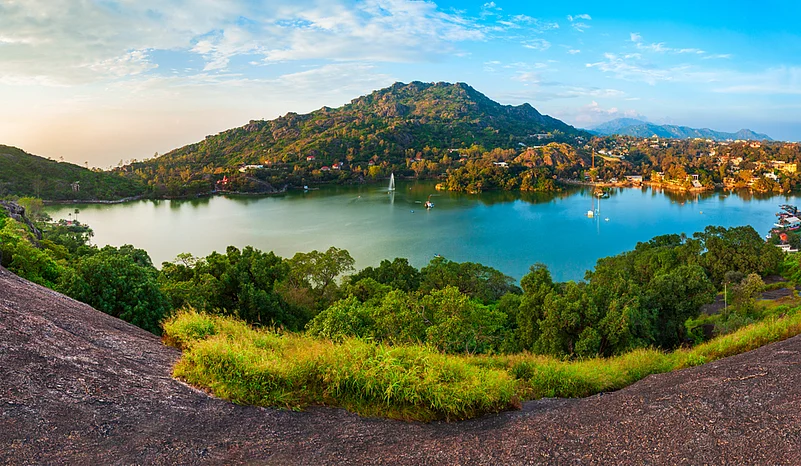
Rajasthan’s only hill station, Mount Abu, is a serene escape framed by the Aravalli Hills. Visitors can unwind in charming British-era bungalows, enjoy scenic walks, crisp hill air, and panoramic viewpoints. With pleasant weather, historical landmarks, and a rich spiritual heritage, including well-known Jain temples, Mount Abu offers a perfect mix of natural beauty and culture.

Things to Do
Climb Achalgarh Fort: Built by the Paramara dynasty and renovated by Maharana Kumbha in 1452, this fort offers spectacular views of Mount Abu, Nakki Lake, and the surrounding Aravallis.
Marvel at the Dilwara Temples: These five white marble Jain temples are famed for their intricate carvings on ceilings, pillars, and doorways. Guided tours are available for those keen to explore the state's rich architectural heritage.
Relax at Nakki Lake: Surrounded by hills, Nakki Lake is ideal for a calming boat ride or a scenic stroll. Don’t miss Toad Rock, a unique formation rising above the water.
Go Shopping: Mount Abu is great for picking up local treasures. Nakki Lake Market offers jewellery, linens, handmade dolls, and Rajasthani sweets. For antiques, visit the Chacha Museum. The Fair Price Rajasthan Emporium features a wide collection of handcrafted Rajasthani products made by skilled artisans.
Mandawa (Shekhawati)
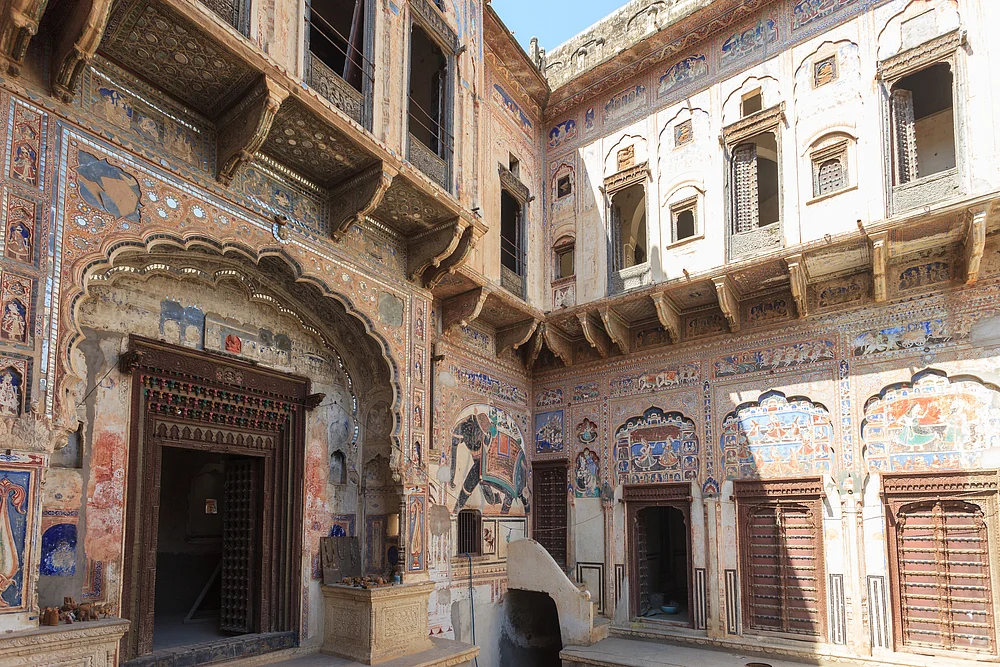
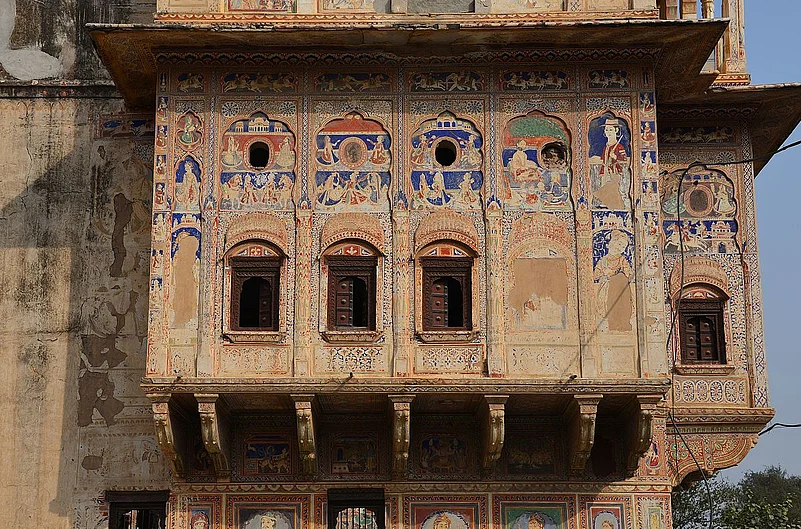
Nestled in the heart of Rajasthan’s Shekhawati region, Mandawa is like a large art gallery. Once a key outpost on the Silk Route, it thrived as a centre for cotton, tobacco, and silk trade between Arabian ports and the Gangetic plains. In 1775, Thakur Nawal Singh built a fort here to protect the town from bandits, attracting traders and merchants whose wealth gave rise to stunning havelis adorned with intricate frescoes. Today, Mandawa stands at the confluence of history, culture, and art, offering travellers a unique glimpse into Rajasthan’s rich architectural and artistic heritage.
Things to Do
Explore Mandawa Fort: Built by Thakur Nawal Singh Bahadur, this fort showcases medieval architecture, portraits, and paintings. Its interiors, inspired by Amber Fort’s Sheesh Mahal, feature intricate mirror work, while the grand Durbar Hall reflects the town’s royal heritage.
Visit Gulab Rai Ladia Haveli: One of Rajasthan’s most stately mansions, it offers a glimpse into everyday life with exquisite frescoes, carved wooden doors, and latticed windows.
Admire Goenka Chattri: This 18th-century outdoor gallery honours the Goenka family with frescoes of Lord Krishna, arched entrances, and gorgeous depictions of Rajasthan’s rich culture and devotion.
Discover Jhunjhunwala Haveli: Known for its murals of Lord Krishna and gopis, along with stories from the Ramayana, this haveli is a must-visit for art lovers.
See the Aath Haveli in Nawalgarh: Famous for its well-preserved frescoes and even a steam locomotive engine, this palatial complex brings legends and history to life.
Visit Nadin Le Prince Haveli, Fatehpur: Restored by a French artist, it features murals of Lord Ganesha, and also houses a gallery, cafe, and lodging.
Ranthambore National Park
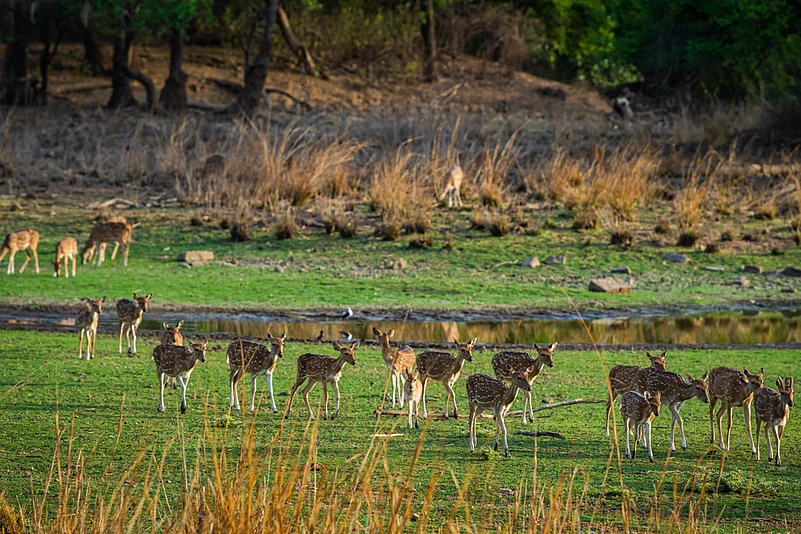
Nestled in the Sawai Madhopur district of southeastern Rajasthan, Ranthambore National Park is a wildlife haven famed for its Bengal tigers. Spanning a vast territory between the Banas and Chambal rivers, it is home to leopards, hyenas, nilgais, langurs, and a rich variety of birds and reptiles. The park derives its name from the historic Ranthambore Fort, which rises dramatically within its boundaries. Ranthambore is especially celebrated for the legendary tigress Machli (1997 to 2016), one of the most photographed and documented tigers in the world, whose lineage continues to roam the park.
Things to Do
Go on a Safari: Explore the park on a jeep or canter safari, with open 6-seater Gypsies or larger canters. Spot Bengal tigers, leopards, sloth bears, and a variety of birds, especially during sunrise or sunset. The park’s 10 zones include core areas (1–5) ideal for tiger sightings, while the buffer zones offer glimpses of other wildlife like nilgais, monitor lizards, and marsh crocodiles.
Visit Ranthambore Fort: Rising within the park, this historic fort offers panoramic views and houses a Digambar Jain temple, a mosque, and a dargah, blending history with nature.
Discover the Lakes: Padam Talao, the largest, is famed for its lotus blooms and the scenic Jogi Mahal. Malik Talao, the smallest, is home to marsh crocodiles, while Raj Bagh Talao attracts sambar deer, egrets, and lies in a prime tiger-spotting area.
Kishangarh
Nestled just 90 kilometres from Jaipur and 18 kilometres from Ajmer, Kishangarh is one of Rajasthan’s lesser-known gems. Famous for its artistic heritage, the city is home to the iconic Bani Thani painting style, which has been immortalised on Indian postage stamps. Beyond its artistic fame, Kishangarh boasts historical landmarks such as the imposing Kishangarh Fort and the nearby Mokham Vilas.
Things to Do
Explore Historic Sites: Visit Kishangarh Fort to admire its grand architecture and rich history. Don’t miss Phool Mahal Palace for charming views and intricate design, and Mokham Vilas, a serene spot ideal for birdwatching. Just a short drive away, the Ajmer Sharif Dargah offers a spiritual experience for those seeking reflection.
Discover Art: Look out for the vibrant Kishangarh style murals, a unique art form that reflects the city’s creative heritage.
Enjoy Nature: Relax at Gondulav Lake or Lake Foy Sagar, both perfect for tranquil vistas.
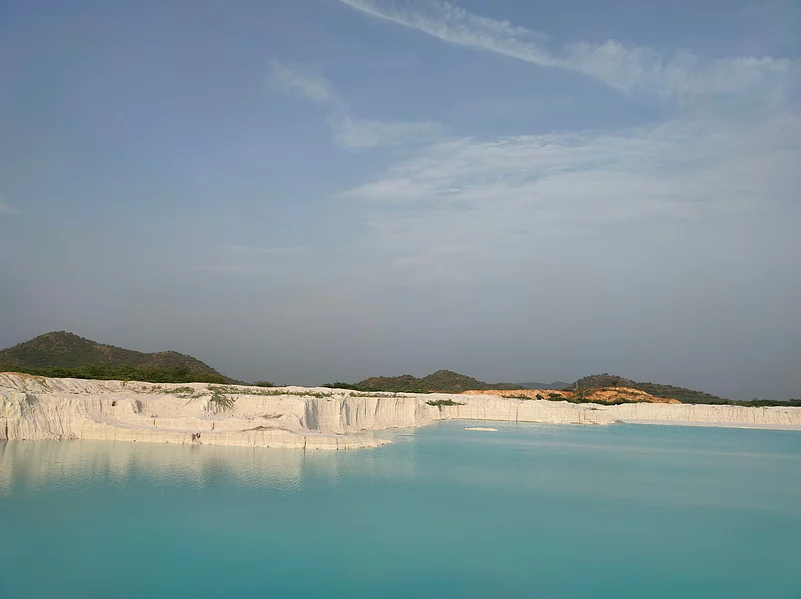
Shopping: Explore Kishangarh’s marble industry, a hub for high-quality marble and granite, and pick up handicrafts and souvenirs at markets and local outlets like Raj Kamal Handicrafts.
Udaipur
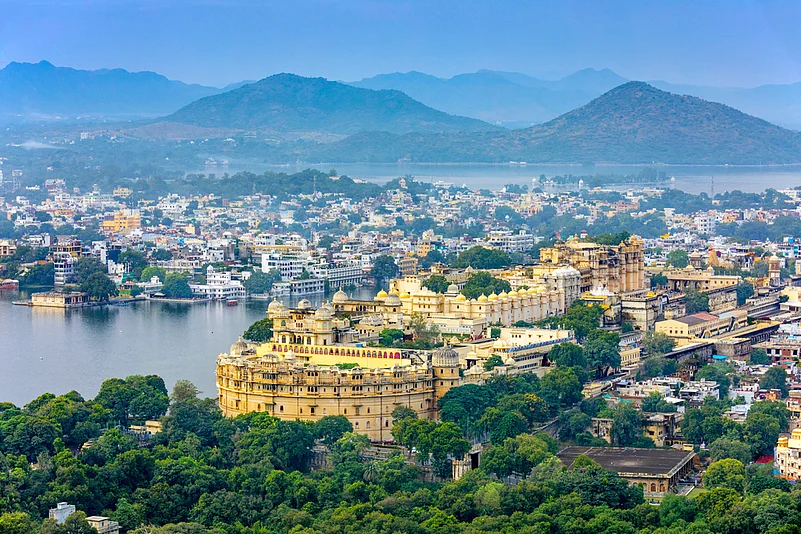
Tucked away in the Aravalli hills, Udaipur was founded in 1559 by Maharana Udai Singh II. It served as the capital of the Mewar kingdom, famed for its valiant Rajput rulers and magnificent architecture. Known as the “City of Lakes,” Udaipur mesmerises visitors with grand palaces and tranquil waters, yet its charm extends beyond the tourist highlights. Hidden alleys reveal local art, ancient stepwells echo centuries-old stories, and quiet temples and cenotaphs offer a soulful retreat.
Things to Do
Explore the City Palace: Wander through this grand palace complex, visiting the City Palace Museum to admire royal artifacts, miniature paintings, and opulent rooms reflecting the history of the Mewar dynasty. Don’t miss architectural gems like Baadi Mahal and Dilkush Mahal, and enjoy panoramic lake views from the palace balconies. Plan 2–3 hours to fully soak in its heritage.
Boat Ride on Lake Pichola: Start early to glide past Jag Mandir and the Lake Palace, enjoying the lake bathed in golden morning light.
Visit Saheliyon-ki-Bari: The Garden of Maidens features lotus pools, marble pavilions, decorative fountains, and shaded promenades—once a royal retreat for the ladies of the palace.
Sajjangarh Fort (Monsoon Palace): Perched atop the Aravalli Hills, this marble palace offers breathtaking sunset views of Udaipur, its lakes, and surrounding hills.
Jagdish Temple: A 17th-century architectural marvel devoted to Lord Vishnu, just a short walk from the City Palace.
Shilpgram: A 70-acre heritage arts and crafts complex at the foothills of the Aravallis, where visitors can experience tribal and folk lifestyles, explore traditional Rajasthani huts, and shop for handicrafts, fabrics, terracotta, and metalware.
Vintage Car Museum: Located on Gulab Bagh Road, this museum showcases over 70-year-old vintage cars used by the royal family, impeccably preserved at the Mewar State Motor Garage.
FAQs
What is the best time to visit these destinations?
Most of these getaways are ideal in winter (January–March), when Rajasthan’s temperatures are pleasant. Hill stations like Mount Abu and Udaipur are especially comfortable, while Ranthambore is great for wildlife spotting.
How can I travel from Jaipur to these destinations?
All seven locations are accessible by car, bus, or train. Some, like Mount Abu and Udaipur, are also reachable via nearby airports.
Are these destinations family-friendly?
Yes. Hill stations, heritage towns, and wildlife sanctuaries offer activities suitable for all ages, from boat rides, safaris, and fort explorations to shopping for local handicrafts.