For travellers, food is often one of the most memorable parts of a stay. A breakfast spread can set the tone for a morning, a local dish can become a way of discovering a destination, and a carefully prepared dinner can linger in memory long after a holiday ends. However, it is a more fundamental part of travel. That certainty cannot be based solely on appearances in a hotel or resort. But before food becomes part of the travel experience, there is a more fundamental expectation: that it is safe to eat.
Why Food Safety And Hygiene Are Non-Negotiable In The Hospitality Industry
From sourcing ingredients and checking temperatures to managing buffets and monitoring kitchens, food safety involves a complex chain of safeguards that guests rarely see, but every meal depends on

Advertisement
In a hotel or resort, that assurance cannot rest on appearances alone. A spotless dining room and polished buffet may be the most visible signs of hygiene, but they reveal little about what happens before food reaches the table. Safety is built into the journey of an ingredient—from the moment it is sourced and transported to the way it is received, stored, prepared, cooked, held and eventually served.
Before The Food Reaches The Table
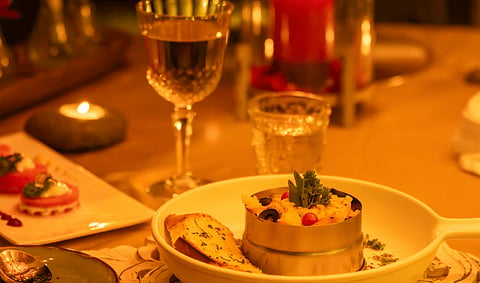
Private Dining at The Tamara The Tamara
“Food safety starts long before an ingredient enters the kitchen. We conduct vendor selection and audits to ensure that raw materials are not only of the right quality but are also stored and transported appropriately,” says Manoj Mathew, Senior Vice President — Operations, Tamara Leisure Experiences. At Tamara, incoming consignments undergo quality and quantity checks, followed by expiry tagging and storage under prescribed conditions. Traceability within the kitchen then helps establish accountability at different stages of food production. Much of this work is deliberately invisible to the guest. Separate storage for raw and prepared food, segregation of vegetarian and non-vegetarian products, defined shelf lives, controlled cooking and trained food handlers are all part of preventing contamination before it becomes a problem. Cleaning, sanitation and even waste segregation are similarly treated as components of the larger food-safety system.
Advertisement
At Novotel Goa Resort & Spa and Novotel Goa Candolim, the process begins with approved suppliers and continues through a series of checks when products arrive. The culinary and procurement teams inspect quality, expiry dates, temperature and traceability before ingredients are sanitised, stored appropriately and managed according to their shelf life. Food handlers are certified and trained, while prepared food is labelled and stored according to stipulated temperatures and shelf lives.
It is this consistency that makes food safety a hospitality responsibility rather than simply a kitchen concern. “Ultimately, our aim is to make food safety a seamless part of the guest experience so guests can enjoy their meal with complete confidence,” says Alex Dias, Director of Culinary, Novotel Goa Candolim and Novotel Goa Resort & Spa. Regular cleaning, training, audits and weekly and unannounced checks form part of the effort to maintain those standards across the operation.
When The Dining Room Gets Bigger
Advertisement
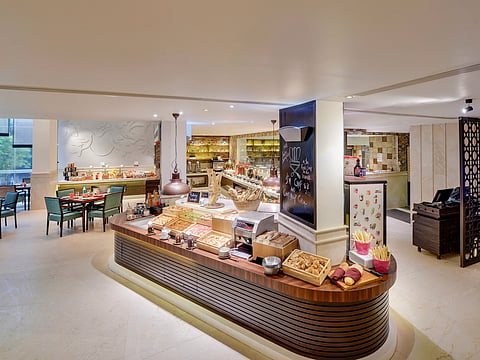
Novotel Goa Resport & Spa Accor Group
The complexity becomes more apparent when the number of diners rises. Weddings, conferences and banquets can involve hundreds of meals being prepared and served within a limited timeframe, leaving little room for lapses in temperature, timing or handling.
“Our priority is to deliver the same high food-safety standards whether we are serving 1 guest or 450 guests,” says Dias from Novotel. Large events therefore require planning that goes beyond deciding what appears on the menu. Teams have to account for guest numbers, batch preparation, buffet timelines, cleanliness, cross-contamination risks, staffing and service schedules. Hot food needs to remain at the appropriate temperature, while chilled food must stay properly chilled throughout service.
At Tamara, smaller batches are used for final preparation and buffet replenishment rather than exposing the entire production to the service environment at once. Even the menu itself becomes part of the safety calculation. “Menu planning itself is also a food-safety consideration. For large events, we assess the risk profile of individual preparations and avoid or carefully control those that are inherently more susceptible to food-safety issues,” Mathew explains.
Advertisement
From Checklists To Real-Time Monitoring
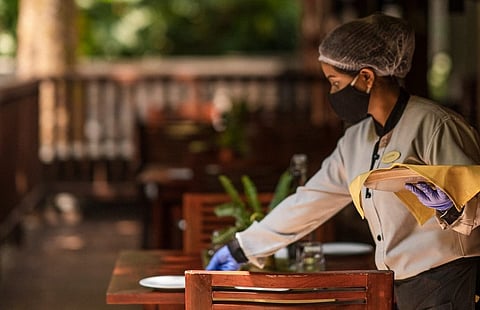
Tamara conducts multiple levels of food verification Tamara Leisure Experiences
Technology is now making some of these invisible safeguards more precise. According to Mathew, “Technology has taken food safety from a largely paper-based, retrospective system towards real-time monitoring and traceability.” Digital weighing scales, infrared temperature guns and quick-read probes have improved accuracy, while Wi-Fi-enabled sensors can transmit temperature data from chillers and freezers to control systems, reducing dependence on manual readings.
But technology does not eliminate the need for human oversight. Audits and testing provide another layer of scrutiny. “For us, audits are not simply compliance exercises. They are fact-finding exercises that keep processes honest, and teams constantly alert,” says Mathew. Tamara conducts multiple levels of verification and sends food and water samples to NABL-accredited laboratories every month. The reasoning is straightforward: “A process should not be considered safe merely because somebody has completed a checklist; we need evidence that the process is working.”
At Novotel, regular internal checks cover hygiene, temperatures, storage, cleaning and documentation, alongside external audits. “Our teams continuously monitor critical controls, while audits and testing verify their effectiveness. When a gap is identified, we address the immediate issue and investigate the root cause to prevent it from recurring elsewhere.”
Advertisement
The Safeguards Guests Never See
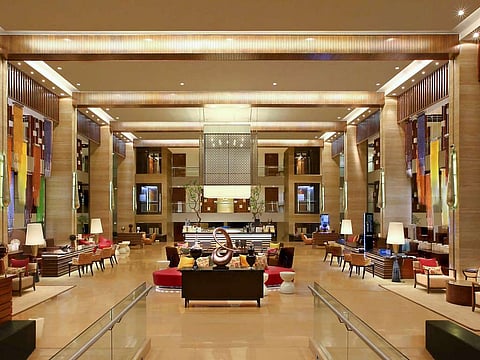
Novotel Goa Candolim Accor Group
The importance of such systems is perhaps clearest when they stop a potential problem before it reaches a guest. At Tamara’s Coorg property, a fish consignment arrived outside the prescribed temperature limits. It showed no visible signs of spoilage, but the team rejected it and asked the supplier to send a fresh batch. “The product did not look unsafe; the system identified that it potentially was.”
That distinction captures the essence of food safety in hospitality. It is not only about recognising what is visibly wrong, but also about having enough checks in place to catch what the eye cannot. For travellers, the most reassuring meal may be the one that feels completely effortless, precisely because so much care has gone into making it so. The safeguards may remain behind kitchen doors, outside the dining room and beyond the view of the guest. But they shape something every hospitality experience depends on: trust.
Advertisement
FAQs
1. Why is food safety important in the hospitality industry?
Food safety is essential because hotels and resorts serve large numbers of guests. Consistent hygiene, storage, temperature and handling protocols help prevent contamination and protect guest health.
2. How do hotels ensure food safety?
Hotels use measures such as approved suppliers, receiving checks, proper storage, temperature monitoring, food labelling, trained food handlers, sanitation, audits and food testing.
3. How do hotels maintain food safety during large events?
Hotels manage food safety during large events through careful menu planning, controlled batch preparation, temperature monitoring, smaller buffet replenishment batches, staffing and measures to prevent cross-contamination.
4. How is technology used for food safety in hotels?
Hotels increasingly use digital weighing scales, infrared temperature guns, quick-read probes and Wi-Fi-enabled temperature sensors to monitor food and storage conditions in real time.
5. What happens if a hotel suspects a food safety issue
Potentially unsafe food can be isolated or rejected, while teams investigate its source and traceability. Hotels may also conduct testing, report issues where required and implement corrective measures.
Advertisement

Published At: