At 4,554 metres above sea level, spending a night in a mountain hut comes with a different set of considerations. The air is thinner, temperatures plunge, and the journey to your bed involves crossing glaciers, navigating crevasses, and climbing steep snow-covered slopes. Perched on Punta Gnifetti in the Monte Rosa massif, on the Italy-Switzerland border, Rifugio Capanna Regina Margherita offers mountaineers the chance to sleep in Europe's highest building. Getting there, however, is an expedition in its own right.
Rifugio Capanna Regina Margherita: The Icy Trek To Europe’s Highest Overnight Stay
Discover Rifugio Capanna Regina Margherita, Italy’s highest mountain refuge at 4,554 metres, and learn how to plan an overnight stay

Advertisement
The three-storey refuge stands near the summit of one of the Alps' highest peaks, surrounded by snowfields and far-reaching mountain views. Part scientific research station and part high-altitude shelter, it has welcomed climbers for more than a century. For those prepared to undertake the demanding ascent, an overnight stay offers a rare opportunity to experience life at an altitude where weather, acclimatisation, and careful preparation shape every part of the journey.
A Mountain Refuge Built For A Queen
Rifugio Capanna Regina Margherita takes its name from Margherita of Savoy, the former queen of Italy, who visited the refuge for its inauguration in 1893. Known for her interest in mountaineering, she made the ascent herself and spent a night at the summit. The refuge was established to support scientific research at extreme altitude while providing shelter for mountaineers exploring the Monte Rosa massif.
Punta Gnifetti, also known as Signalkuppe, rises to 4,554 metres and is among the highest summits in the Alps. The surrounding massif includes Monte Rosa, which reaches 4,634 metres and ranks among the continent's highest mountains. The refuge's position makes it a landmark for climbers, researchers, and experienced hikers, with its distinctive metal structure standing out against the snow-covered summit.
Advertisement
Getting To Europe's Highest Overnight Stay
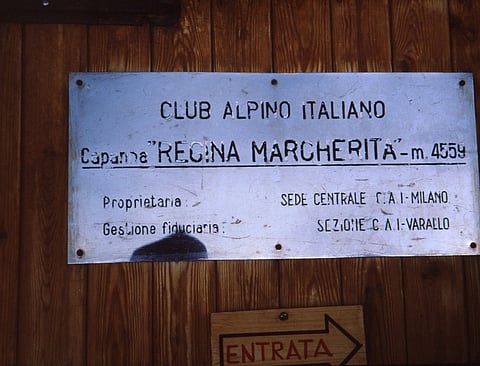
Reaching the refuge typically involves a guided, multi-day climb across glaciers, snowfields and steep alpine slopes TripAdvisor
The journey usually begins in Alagna Valsesia, a mountain village in Italy's Piedmont region. From here, cable cars carry visitors towards Punta Indren, at approximately 3,275 metres, reducing the initial climb before the trek continues on foot. Most visitors attempt the ascent with a qualified mountain guide, as the route involves glacier travel, technical equipment, and rapidly changing alpine conditions.
A three-day guided expedition allows time for acclimatisation before reaching the summit. The first stage generally involves a relatively short walk from Punta Indren to Rifugio Città di Mantova, located at around 3,498 metres. Set above the valley, the mountain hut provides an overnight stop before the more demanding climb ahead. Spending time at this elevation helps the body begin adjusting to the thinner air, although it does not eliminate the risk of altitude sickness.
The following morning often starts before sunrise. Climbers typically leave at around 04:00 or 05:00, wearing sturdy mountaineering boots, crampons, and warm, layered clothing. Ropes are used to keep the group connected while crossing the Lys Glacier, where deep crevasses and uneven ice make the route particularly challenging. The ascent continues across snowy basins and towards the final slope leading to Punta Gnifetti.
Advertisement
Altitude is one of the biggest challenges. Reaching 4,554 metres over a short period can cause headaches, nausea, dizziness, and breathlessness, even among otherwise fit travellers. A guide can assess conditions and help manage the ascent, but climbers need to recognise their physical limits and follow appropriate acclimatisation advice.
What Is It Like To Stay At The Summit?
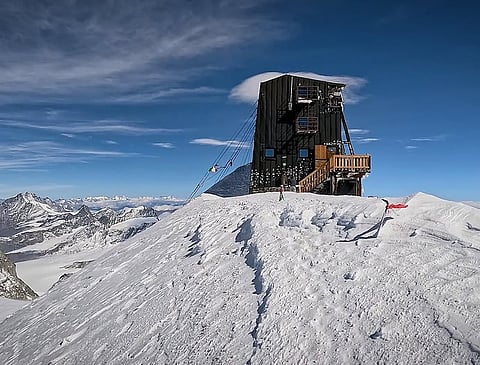
The mountain refuge is generally staffed from mid-June to early September, making summer the main season for overnight stays cautronlive/Instagram
After the demanding climb, the refuge offers a welcome place to rest, eat, and recover. Its metal exterior gives way to a functional interior designed around communal mountain life. The ground floor houses a dining area, while the upper levels contain dormitory-style sleeping arrangements. During the summer season, the refuge can accommodate approximately 70 guests, making advance reservations essential.
The facilities are basic compared with conventional hotels, but more substantial than some first-time visitors might expect from a remote alpine shelter. Guests can enjoy hot meals and drinks, with options that may include Italian favourites and simple comfort food. A bowl of hot chocolate after hours on the glacier is one way to warm up before settling in for the evening.
Advertisement
Accommodation is shared, and privacy is limited. Visitors sleep alongside fellow climbers, with communal dining encouraging conversation among people who have arrived from different parts of the world. There are toilets, but no showers, so guests should be prepared for a straightforward mountain-hut experience rather than hotel-style comforts.
The refuge also remains a working scientific facility. Its location makes it valuable for research into high-altitude conditions, while its role as a mountaineering shelter connects it to a long tradition of alpine exploration.
Weather, Logistics, And The Best Time To Visit
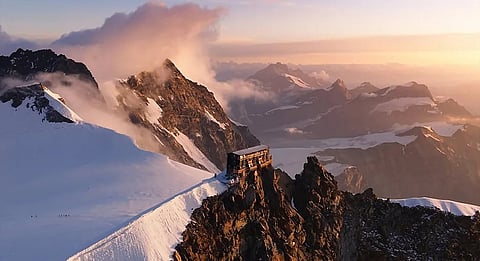
Advance bookings, suitable mountaineering equipment and proper acclimatisation are essential for the ascent to the refuge cautronlive/Instagram
Rifugio Capanna Regina Margherita generally operates with staff from mid-June to early September, when conditions are more suitable for guided summer ascents. The refuge is popular with mountaineers, so accommodation, guides, and transport should be booked well in advance. Weather remains unpredictable even during the main season, and storms can affect both the climb and the refuge's supply arrangements.
Given its remote position, supplies are transported by helicopter when conditions permit. Poor weather can interrupt deliveries and leave the building feeling particularly isolated from the world below. Climbers should therefore arrive with suitable equipment, follow their guide's advice, and prepare for changes in temperature and visibility.
Advertisement
An overnight stay at Rifugio Capanna Regina Margherita is best suited to travellers with a genuine interest in mountaineering and the physical demands of high-altitude travel. Fitness alone is not enough; glacier experience, appropriate guidance, and acclimatisation are essential considerations. For those who make the ascent safely, sleeping at 4,554 metres offers a rare perspective on the Alps, where the journey to the bed is as memorable as the night spent in it.
The Information
Address: Punta Gnifetti, Alagna Valsesia, Province of Vercelli, Piedmont, Italy, near the Italy-Switzerland border
Tariff: Approximately INR 15,000 per person; INR 13,000 for IFMGA-certified mountain guides. Bed and breakfast costs INR 13,000 per person. The winter room, a 10-bed unmanaged dormitory, is available when the main refuge is closed, without advance booking, but is closed during the peak summer season.
Contact: +39 0163 91039, info@rifugimonterosa.it
Website: rifugimonterosa.it/capanna-margherita
FAQs
1. Where is Rifugio Capanna Regina Margherita located?
Rifugio Capanna Regina Margherita is located on Punta Gnifetti in the Monte Rosa massif, near the Italy-Switzerland border.
Advertisement
2. How high is Rifugio Capanna Regina Margherita?
The refuge stands at 4,554 metres above sea level, making it Europe's highest building.
3. How can you reach Rifugio Capanna Regina Margherita?
Most visitors undertake a guided, multi-day climb from Alagna Valsesia, using cable cars for part of the journey before crossing glaciers on foot.
4. When is Rifugio Capanna Regina Margherita open?
The refuge is generally staffed from mid-June to early September, depending on weather and mountain conditions.
5. How much does it cost to stay at Rifugio Capanna Regina Margherita?
The listed tariff is INR 15,000 appx. per person, while bed and breakfast costs INR 13,000 appx. per person. Rates and availability should be confirmed with the refuge before booking.
Published At: