India's rich history of struggle for independence is marked by numerous pivotal moments across the nation's length and breadth. From the nonviolent resistance led by Mahatma Gandhi to the sacrifices made by countless freedom fighters, India's journey to independence is a tapestry woven with courage, determination, and sacrifice. To pay homage to this history and better understand the freedom movement, embark on a poignant journey to 10 destinations on India's freedom trail.
Independence Day 2024: 10 Destinations On India's Freedom Trail
This Independence Day, explore India's freedom trail with these ten key destinations and unveil a courageous tapestry reflecting the nation's historical struggle

Advertisement
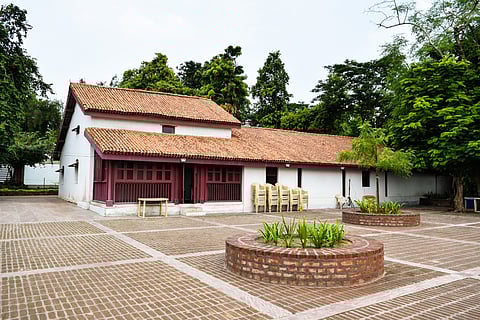
Sabarmati Ashram Shutterstock
Situated on the banks of the Sabarmati River, the Sabarmati Ashram stands as a testament to Mahatma Gandhi's ideology of nonviolent resistance. This ashram served as the epicentre of several critical movements during the freedom struggle. The serene surroundings and exhibits that depict Gandhi's life offer visitors an opportunity to connect with his teachings this IndependenceDay.
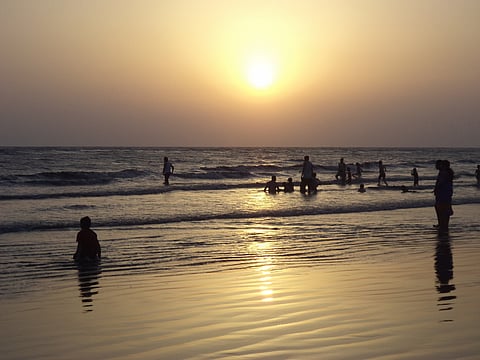
Dandi Beach, Gujarat Shutterstock
The tranquil Dandi Beach in Gujarat witnessed the symbolic Salt March led by Mahatma Gandhi in 1930. This march marked an important milestone in the civil disobedience movement, as Indians protested against the British monopoly on salt production. Today, the beach's vast expanse serves as a reminder of the march's significance.

Cellular Jail, Andaman Islands Shutterstock
Often referred to as "Kala Pani," the Cellular Jail in the Andaman Islands was a place of immense suffering for countless freedom fighters. Its grim history is a stark reminder of the sacrifices made by those who endured hardships for the nation's independence. The jail's architecture and the stories it holds are poignant testaments to the past.
Advertisement
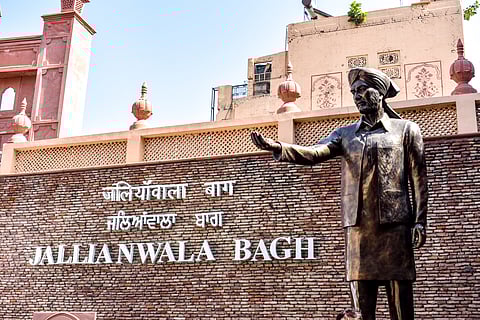
Jallianwala Bagh, Amritsar Shutterstock
A site that evokes powerful emotions, Jallianwala Bagh is where the tragic massacre of hundreds of unarmed civilians took place in 1919 under British rule. This sombre place reminds visitors of the brutality suffered by Indians and stands as a symbol of the need for justice and freedom.

Mani Bhavan, Mumbai Shutterstock
Gandhi stayed in Mani Bhavan in Mumbai, during various phases of the freedom struggle. The house is now a museum dedicated to his life and principles, offering insights into his philosophy of nonviolence and civil disobedience.

August Kranti Maidan, Mumbai Shutterstock
The August Kranti Maidan witnessed the clarion call for the Quit India Movement in 1942, as Mahatma Gandhi called upon Indians to demand an end to British rule. This historic ground played a crucial role in galvanising the masses and intensifying the fight for independence.
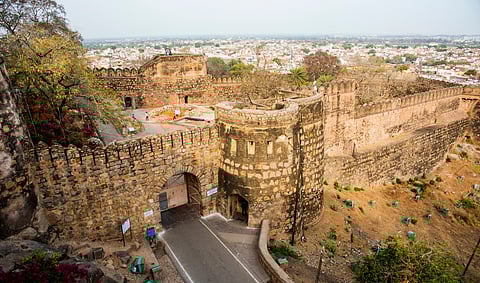
Jhansi Fort, Uttar Pradesh Shutterstock
Jhansi Fort is indelibly linked with the valiant Rani Lakshmibai, who fiercely resisted British colonisation during the Indian Rebellion of 1857. Her courageous stand against oppression has turned the fort into a symbol of bravery and the unyielding spirit of freedom.
Advertisement
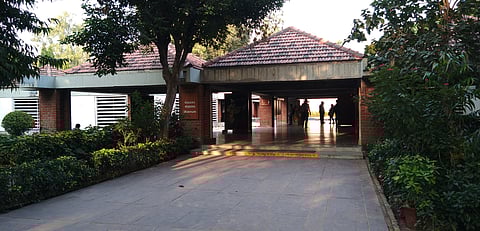
National Dandi Memorial, Gujarat Shutterstock
Commemorating the Salt March, the National Dandi Memorial features a striking monument and a museum that vividly narrates the events surrounding the march. This site allows visitors to reflect on the march's impact and the collective strength of the Indian people.
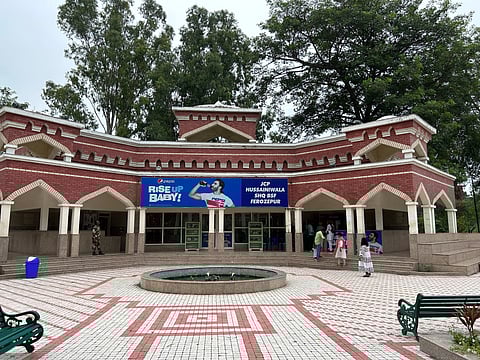
Hussainiwala Border, Punjab Shutterstock
The solemn Hussainiwala Border pays homage to martyrs Bhagat Singh, Rajguru, and Sukhdev, who the British colonial rulers hung. Their sacrifice ignited the flame of patriotism across the nation, and the memorial stands as a reminder of their unwavering dedication to the cause of freedom.
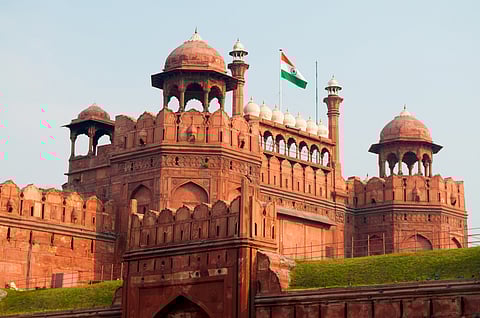
Red Fort, Delhi Shutterstock
The iconic Red Fort in Delhi holds immense historical significance, serving as the site where India's first Prime Minister, Jawaharlal Nehru, hoisted the tricolour flag on August 15, 1947. This momentous event marked India's official independence from British rule, and the fort's majestic architecture continues to inspire awe.
Published At: