Tanzania ticks multiple boxes at once: wildlife, beaches, mountains, and a cultural layer that feels unexpectedly familiar. The Indian connection along the Swahili coast goes back centuries, and it shows up in everyday ways, including the food, the architecture, and in how easily you settle in.
Planning A Tanzania Trip? Everything Indian Travellers Need To Know
From Serengeti safaris to Zanzibar beaches, here’s everything Indian travellers need to know about planning a trip to Tanzania

Advertisement
In cities like Dar es Salaam and Arusha, you’ll find Indian communities, vegetarian-friendly menus, and flavours that don’t feel far from home.
That balance is what makes Tanzania work so well for Indian travellers. And because you're not constantly adjusting, you can focus on the experience, whether that’s watching wildlife in Serengeti National Park or heading towards the coast for a slower pace in Zanzibar.
Visa Requirements And How To Plan Efficiently
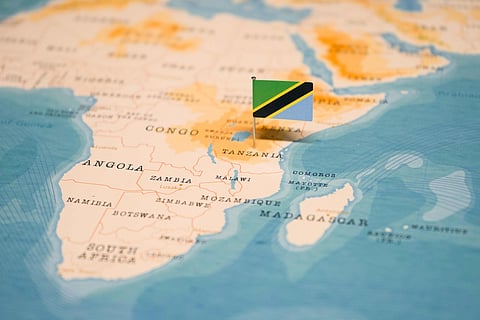
A map and flag representing Tanzania Shutterstock
Planning is key when it comes to visiting Tanzania. Indian passport holders need a visa, and while Visa on Arrival is available, it’s not the most efficient option. Applying in advance through the Tanzania Immigration Department saves time and avoids long queues at the airport.
For Indian travellers, a single-entry tourist visa typically costs around INR 4,000–5,000 and is valid for stays of up to 90 days. If you’re planning multiple entries within a year, the visa fees can go up to roughly INR 8,000–8,500.
Advertisement
Flights are easier than you might expect. Air Tanzania operates a direct Mumbai–Dar es Salaam route in about six hours. From Delhi or Bengaluru, one-stop routes with Kenya Airways, Ethiopian Airlines, or Oman Air are the most common.
Most itineraries start in Dar es Salaam. So, if you’re heading to Zanzibar, it’s a short onward flight or ferry, and easy to build into your plan.
Why Food Feels Familiar In Tanzania
Food is rarely a concern in Tanzania. The Indian influence on Tanzanian cuisine is a centuries-old legacy born from trade and migration across the Indian Ocean. This cultural fusion is most evident in the ubiquitous use of aromatic spices like cardamom, cloves, turmeric, and cumin, which define staples such as Pilau (fragrant spiced rice) and Biriyani ya Kuku.
Even complex street food favorites like Urojo, a tangy soup with chickpea flour and deep-fried chickpea balls, showcase a direct evolution of Indian culinary techniques blended with local East African ingredients. This deep-rooted connection has transformed once-foreign ingredients like lentils and chickpeas into integral parts of the Tanzanian daily diet.
Advertisement
In Zanzibar city, places like The Silk Route serve familiar North Indian flavours, while Five Chutneys offers more casual, street-style options.
Places To Visit

Elephants grazing in Serengeti with safari vehicle in the distance Shutterstock
Tanzania isn’t a single-experience destination, so it helps to focus on what you want from the trip.
Safari
The northern circuit, especially Ngorongoro Crater and the Serengeti, is where most safari journeys begin. Wildlife sightings are consistent, but it’s the scale of the landscape that stands out. Private safaris are often the preferred choice for Indian travellers, particularly families, since they offer flexibility in pace and meals.
Zanzibar
Zanzibar is where beaches, history, and a mix of cultural influences define the experience. Stone Town, in particular, reflects its Indian and Arab heritage through its architecture. Spice tours add context; you see ingredients you’ve always used, but in a completely different setting.
Mount Kilimanjaro
Mount Kilimanjaro is a major draw for trekkers. It is the world's highest free-standing mountain and Africa’s highest peak. Visitors can experience five distinct climate zones in 6–8 days, from rainforests to arctic glaciers, summiting Uhuru Peak for unparalleled panoramic views of the Tanzanian plains.
Advertisement
What Travellers Need To Keep In Mind

Aerial view of Nungwi Beach with turquoise waters in Zanzibar Shutterstock
If you're planning to visit Tanzania, here are a few things you need to prepare beforehand:
Ensure your passport is valid for at least six months beyond your arrival date and has at least two blank pages.
Proof of yellow fever vaccination is mandatory if arriving from or transiting through a country with yellow fever risk.
Tanzania is a malaria-risk country, so it’s worth consulting a doctor before travelling.
Never drink tap water; stick to sealed bottled or filtered water, even for brushing teeth.
Cash is still widely used. The local currency is the Tanzanian Shilling (TZS), but US Dollars are widely accepted for tours and park fees.
Carry a universal adapter (UK-style plugs), basic medicines, and ensure your passport meets validity requirements.
Best Time To Visit

Mwanza cityscape by Lake Victoria, Tanzania’s “City of Rocks" Shutterstock
The dry season from June to October is the best time for safaris, with clearer weather and better wildlife sightings. November to February is still pleasant, with fewer crowds. Travellers are advised to avoid the months of April and May as heavy "long rains" can make summiting difficult and dangerous.
Advertisement
FAQs
1. Do Indian travellers need a visa for Tanzania?
Yes, Indian passport holders require a visa. It is recommended to apply online in advance, although Visa on Arrival is also available.
2. How much does a Tanzania visa cost for Indians?
A single-entry tourist visa costs approximately INR 4,000–5,000 and allows a stay of up to 90 days.
3. What is the best time to visit Tanzania?
The best time is from June to October for safaris, while November to February offers pleasant weather with fewer crowds.
4. Is Tanzania suitable for Indian travellers?
Yes, Tanzania is considered comfortable for Indian travellers due to familiar food, cultural connections, and well-established tourism infrastructure.
5. What are the must-visit places in Tanzania?
Top destinations include Serengeti National Park, Ngorongoro Crater, Zanzibar, and Mount Kilimanjaro.
6. What health precautions should travellers take?
Travellers should carry proof of yellow fever vaccination, take malaria precautions, avoid tap water, and carry essential medicines.
Advertisement

Published At: