Baisakhi is a vibrant spring festival observed across North India, celebrating both the harvest of Rabi crops and the Sikh new year. Rooted in agrarian life and Sikh tradition, it brings together faith, gratitude, and community.
Baisakhi 2026: When, How, And Where To Celebrate The Festival?
Baisakhi 2026 falls on April 14. Check timings, significance, rituals and best places to celebrate the festival across India

Advertisement
For the Sikh community, Baisakhi holds profound historical importance; it commemorates the formation of the Khalsa Panth in 1699 by Guru Gobind Singh, a moment that shaped Sikh identity and values of courage, equality, and service. This year, Baisakhi falls on Tuesday, April 14.
Here's a detailed guide to the timings, how to celebrate Baisakhi, and the best places to visit.
Baisakhi 2026 Key Timings
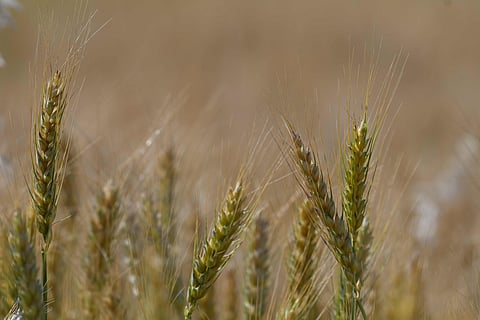
Wheat harvest marks the spirit of Baisakhi in Punjab Shutterstock
Baisakhi follows the solar calendar, aligning with the sun’s transition into Aries (Mesha Sankranti). The day carries several spiritually significant time windows:
Date: Tuesday, April 14, 2026
Vaisakhi Sankranti Moment: 09:39 AM
Punya Kaal (Auspicious Period): 05:57 AM – 01:55 PM
Maha Punya Kaal: 07:30 AM – 11:47 AM
Amrit Vela: 03:00 AM – 05:30 AM
The early hours, called Amrit Vela, are the most serene, often starting with prayer, reflection, and visits to gurdwaras before the day’s celebrations begin.
Significance Of Baisakhi
At its heart, Baisakhi is layered with meaning.
Advertisement
For farmers, it marks the harvest of wheat, a time when months of labour turn into abundance. Fields across Punjab and Haryana transform into hues of gold, mirroring the festive palette of the day, i.e. yellows, oranges, and bright whites.
Spiritually, it commemorates the founding of the Khalsa, when Guru Gobind Singh initiated the Panj Pyare (the Five Beloved Ones), shaping Sikh identity and values of courage, equality, and service.
How Baisakhi Is Celebrated
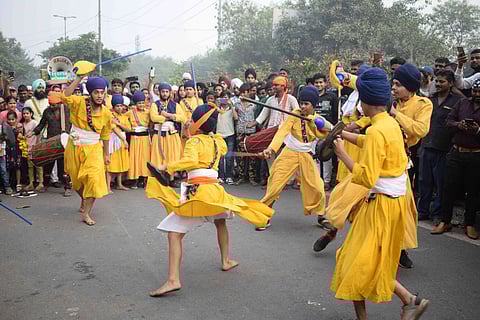
Sikhs perform Gatka during a Nagar Kirtan procession Shutterstock
Morning Prayers And Rituals
Baisakhi often begins before sunrise. Devotees visit gurdwaras, join kirtans or devotional singing, and take a dip in sacred waters called Ishnan.
Nagar Kirtans And Processions
As the day progresses, streets come alive with Nagar Kirtans, processions led by the Panj Pyare. These are moving expressions of faith, featuring hymn singing, decorated floats, and Gatka martial arts performances.
Langar And Community Meals
One powerful aspect of Baisakhi is the Langar, a community meal open to all regardless of background. People sit side by side on the floor, sharing simple food like dal, roti, and kheer.
Advertisement
Music, Dance, And Festive Food
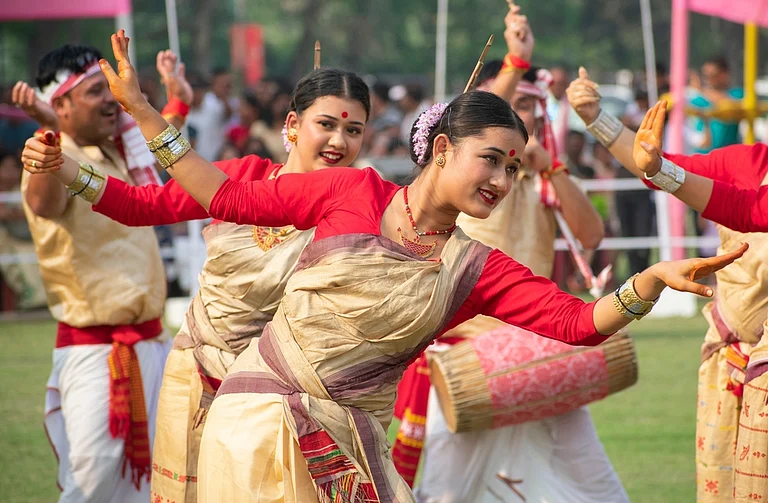
By afternoon, the mood turns celebratory. Open grounds, village squares, and city venues fill with Bhangra and Gidda performances, driven by the dhol's beat.
Best Places To Experience Baisakhi In India
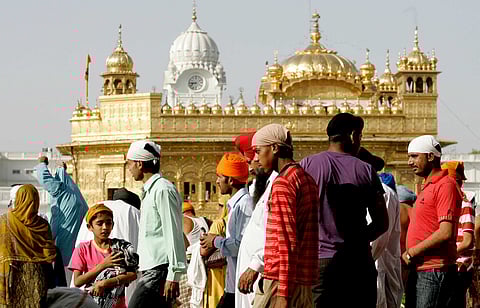
Devotees gather at the Golden Temple on Baisakhi Shutterstock
Amritsar
Golden Temple (Harmandir Sahib) is the epicentre of Baisakhi celebrations. Here, the festival is observed with immense spiritual fervour and cultural joy. The day progresses with continuous kirtan, many gathering for langar, and a collective show of traditional Punjabi folk dances like Bhangra and Gidda.
Anandpur Sahib
Anandpur Sahib is the birthplace of the Khalsa, so celebrations here carry traditional intensity and deep religious devotion. Thousands gather at Takht Sri Kesgarh Sahib for prayers, kirtans, and Nagar Kirtan processions featuring Gatka martial arts.
Chandigarh
In Chandigarh, Baisakhi takes a more urban form, with music festivals, food fairs, and community events across the city. Modern hubs like Elante Mall and upscale hotels host curated food festivals showcasing seasonal delicacies like Sarson da Saag and Kesar Phirni.
Advertisement
Pinjore Gardens
Pinjore Gardens in Panchkula district, Haryana, hosts one of the region’s largest Baisakhi melas, featuring craft stalls, cultural performances, and amusement rides.
Delhi
In the national capital, celebrations centre on Gurudwara Bangla Sahib and Gurudwara Sis Ganj Sahib. Processions move through historic streets, while gurdwaras host continuous kirtans and langars.
A Festival That Moves Between Worlds
Baisakhi is more than a festival. It is a moment that brings together harvest, history, and faith in a way few celebrations do. From the stillness of early morning prayers to the vibrant energy of processions, music, and community meals, the day comes alive with a sense of shared joy and gratitude. Whether experienced at a gurdwara, in the fields, or within city celebrations, Baisakhi carries a timeless spirit, one that honours both new beginnings and deep-rooted traditions.
FAQs
1. What is the date of Baisakhi in 2026?
Baisakhi will be celebrated on April 14, 2026, marking the harvest festival and the Sikh New Year.
Advertisement
2. What are the important timings for Baisakhi 2026?
The Vaisakhi Sankranti moment is at 9:39 AM, with Punya Kaal from 5:57 AM to 1:55 PM and Maha Punya Kaal from 7:30 AM to 11:47 AM.
3. Why is Baisakhi celebrated?
Baisakhi celebrates the harvest season and commemorates the formation of the Khalsa Panth by Guru Gobind Singh Ji in 1699.
4. How do people celebrate Baisakhi in India?
People visit gurdwaras, participate in Nagar Kirtans, share langar meals, and enjoy traditional music and dance like Bhangra and Gidda.
5. Which are the best places to celebrate Baisakhi?
Top destinations include Amritsar, Anandpur Sahib, Chandigarh, Delhi, and Pinjore Gardens for vibrant cultural and spiritual celebrations.
Published At: