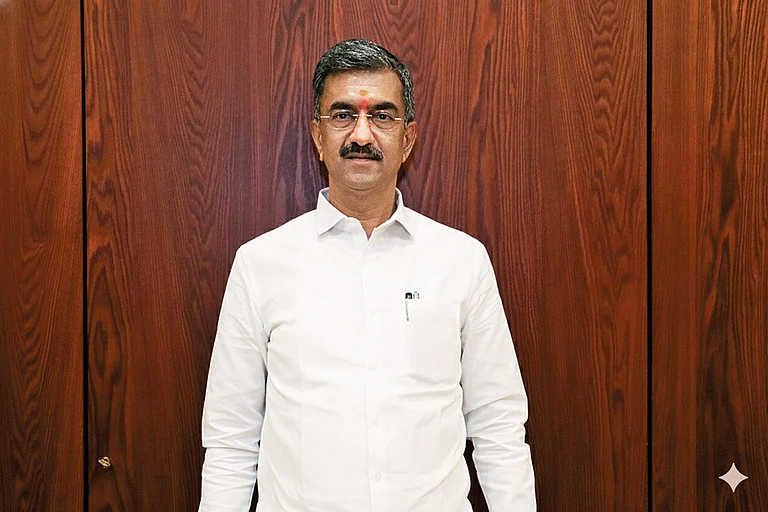
Maharashtra Tourism Strategy: Dr B.N. Patil On Rural Tourism, Blue Flag Beaches And MMR Growth
Dr. B.N. Patil, Director, Directorate of Tourism, discusses village-led initiatives, Blue Flag beaches, MMR development, and responsible tourism measures shaping Maharashtra’s future

What steps has Maharashtra Tourism taken to promote village-level participation in the Maharashtra Rural Tourism Competition?
Maharashtra is committed to making rural tourism a central pillar of its tourism policy. Under the Tourism Policy 2024, the state invites villages to become tourism development partners rather than merely destinations. This approach enables villages to actively contribute to the state’s vision of strengthening India’s tourism economy while generating sustainable local employment.
We recognise and support villages that represent authentic rural life in agriculture, crafts, cuisine, art, and heritage. To encourage participation, the state has introduced a structured recognition and incentive framework through the Maharashtra Rural Tourism Competition, under which state grants are provided for tourism infrastructure. The competition is expected to bring over 100 villages onto the tourism map, generating local income while preserving rural heritage.
At the state level, one village will receive the Best Tourism Village in Maharashtra award with a prize of ₹10 crore. At the divisional level, six villages will be awarded ₹5 crore each. Additionally, under eight thematic categories across six divisions, 48 villages will receive prizes of ₹1 crore each. Participation in the competition is community-based, and the eligibility criteria safeguard rural identity by considering factors such as population size, proximity to natural or heritage sites, and the preservation of local traditions.
How does the ‘Tourism Mitra’ initiative put responsible tourism and visitor safety into action at important destinations?
Tourism Mitras are trained individuals appointed by the Department of Tourism to serve as both guides and cultural ambassadors at key destinations. They are not merely guides but ambassadors of Maharashtra’s culture and custodians of visitor safety. Tourism Mitras have already been deployed at major sites across the state, and the initiative will be scaled across all major hubs by the end of 2025.
Their role extends beyond providing directions or site information. They help visitors understand local traditions, encourage environmentally responsible behaviour, and ensure adherence to safety protocols. They support the state’s sustainability goals by promoting plastic-free practices, monitoring outdoor activities, assisting in crowd management, and coordinating with local authorities.
Importantly, Tourism Mitras are recruited locally, creating employment opportunities for youth and women. By strengthening trust between visitors and communities, the programme reinforces Maharashtra’s reputation as a safe, welcoming, and responsible tourism destination.
How is Maharashtra leveraging its infrastructure and strategic initiatives to become a leading destination for international MICE events?
Maharashtra is firmly focused on becoming India’s leading destination for international MICE (Meetings, Incentives, Conferences, and Exhibitions) events. The Tourism Policy 2024 identifies MICE as a strategic segment that drives investment, employment, and global visibility.
The government is developing modern convention centres and offering investor-friendly incentives to attract both domestic and international events. Dedicated teams are actively engaging with organisers to bring conferences, exhibitions, and business summits to Maharashtra.
The objective is to attract high-value visitors who extend their stay and utilise local services such as hotels, transport, and technology infrastructure. With world-class facilities and a supportive policy framework, Maharashtra is positioning itself as South Asia’s next major MICE hub, contributing significantly to the state’s long-term economic growth goals.
The MMR region has significant untapped tourism potential. What steps is the Department taking to increase economic revenue from this sector?
The Mumbai Metropolitan Region (MMR) is one of Maharashtra’s and India’s strongest economic engines. Maharashtra Tourism is committed to unlocking its full tourism potential through a coordinated, policy-driven approach. The Tourism Policy 2024 places urban and coastal tourism at the centre of growth strategy, with MMR as a primary focus area.
We are promoting major tourism infrastructure projects through public-private partnerships, supported by state incentives and streamlined regulatory frameworks. A dedicated MMR Tourism Promotion and Facilitation Cell will be established to coordinate with agencies such as MMRDA and municipal corporations. This will accelerate approvals, identify high-potential locations, and ensure integrated development across heritage sites, film tourism destinations, beaches, wellness centres, and convention venues.
Our goal is not only to increase visitor numbers but to enhance visitor experiences, extend stays, and drive higher per-capita spending, thereby generating sustained employment in hospitality and allied sectors. We envision MMR as a model for urban tourism development in India.
What is the significance of Maharashtra’s five beaches receiving Blue Flag certification, and how is environmental balance being maintained?
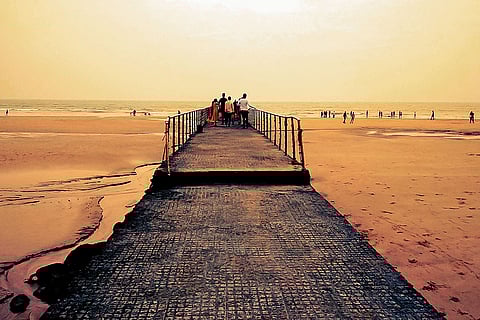
Maharashtra has achieved a significant milestone in sustainable tourism, with five beaches earning the internationally recognised Blue Flag certification. This certification reflects adherence to global standards in water quality, safety, environmental management, and visitor services.
The certified beaches include Parnaka (Dahanu), Srivardhan and Nagaon (Raigad), and Guhagar and Ladghar (Ratnagiri). The Blue Flag programme, administered by the Foundation for Environmental Education in Denmark, evaluates beaches on parameters such as water purity, sanitation, safety infrastructure, accessibility, and environmental education.
To maintain these standards, we are working closely with local panchayats, youth groups, and coastal authorities to conduct regular cleanliness drives and environmental awareness initiatives. Visitors and local communities are encouraged to follow responsible practices to preserve marine biodiversity and coastal ecosystems. These recognitions reaffirm Maharashtra’s commitment to sustainable coastal tourism.