Maharashtra is home to several wonders. One of them is Purushwadi, a small tribal village in Akole Taluka, Ahmednagar district, Maharashtra. This small tribal village has become one of the most magical monsoon escapes in the state, thanks to its spectacular firefly season.
Purushwadi: Exploring Maharashtra’s Hidden Gem, The Magical Firefly Village
Discover Purushwadi, a small tribal village near Nashik, where monsoon nights glow with fireflies, homes turn into homestays, and nature feels wonderfully untouched

Advertisement
Every year, just before the rains arrive, thousands of fireflies appear in the forests around Purushwadi. For a few short weeks, the village turns into a natural light show, with glowing insects blinking in rhythm across trees, bushes, and fields. It’s a rare experience in today’s world, one that feels almost unreal. It is like stepping into a scene from a storybook. But Purushwadi isn’t only about fireflies. It’s also about slow travel, community-based tourism, and a rare chance to see rural Maharashtra in its simplest, most welcoming form.
Where Is Purushwadi?
Purushwadi is located in the Western Ghats region, in Akole Taluka of Ahmednagar district. It lies close to the popular trekking zones of Kalsubai, Bhandardara, and Harishchandragad, making it a great addition to any monsoon itinerary in this part of Maharashtra. Though many people refer to it as “near Nashik,” it is technically closer to Igatpuri and Bhandardara. Yet, Nashik remains one of the most common gateways for travellers.
Advertisement
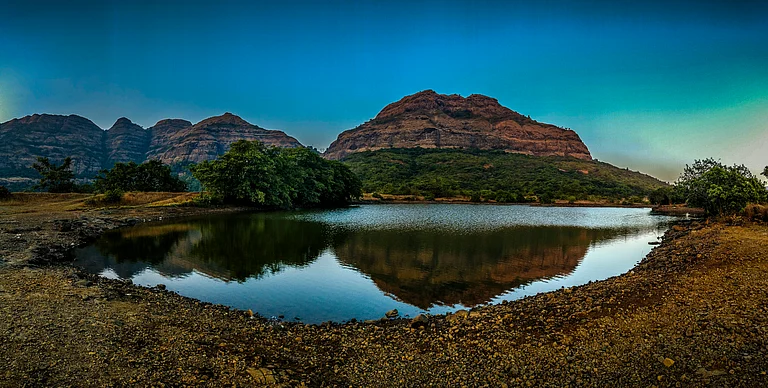
The village is small, scenic, and surrounded by forested hills, seasonal streams, and farmland. During the monsoon, everything here turns a lush green, and the air is fresh in a way that city dwellers instantly notice.
Why Purushwadi Is called The Firefly Village
Purushwadi has earned its nickname because of the incredible number of fireflies, or Kajwa, seen here during late May and early June. This is the peak season when fireflies gather for mating, creating a synchronised blinking effect across large areas. For the 2026 season, the peak sighting window is expected to fall between May 16 and June 21, just as the humidity rises before the heavy rains.
In many places, fireflies have become rare due to light pollution, habitat loss, and pesticide use. But Purushwadi still offers them the kind of natural environment they need: dark nights, dense greenery, and minimal disturbance. It’s one of the best reminders of why responsible travel matters. Fireflies are extremely sensitive to disturbance. Too much artificial light, flash photography, loud noise, or crowding can disrupt their natural cycle.
Advertisement
Purushwadi’s charm lies in the fact that the village and the tourism model here try to protect the experience rather than exploit it. The most intense activity usually occurs during the "golden hour" between 8:30 PM and 9:30 PM, when the forest floor and canopy seem to merge with the starry sky.

Sahyadri Hills in Purushwadi Shutterstock
The Story Of Community Tourism In Purushwadi
One of the most special things about Purushwadi is that it isn’t built around resorts or commercial tourism. Instead, the village has become known for its homestay-based model, in which local families of the Mahadeo Koli tribe open their homes to travellers, offering a genuine glimpse into their daily lives.
This community-led approach has made Purushwadi a rare example of sustainable rural tourism in Maharashtra. Visitors get to stay in traditional village homes, eat local food, and spend time with people who have lived in this landscape for generations. In return, the village benefits economically, and tourism becomes an incentive to preserve the forest and local ecology rather than replace it.
Advertisement
The hospitality here is warm and unpolished. You won’t find hotel-style service, but you will find genuine kindness, homemade meals, and evenings spent talking under the stars.
What To Expect During A Visit
A trip to Purushwadi is not about ticking off attractions. It’s about slowing down and experiencing a different rhythm of life. Here’s what you can expect.
Firefly Walks At Night
During the day, the village is a picture of calm, where you can watch farmers preparing their fields for the paddy season or children playing by the Kurkundi River. The landscape is beautiful even without the fireflies, especially during the early monsoon when everything is freshly green.
Simple, Local Meals
Food is usually homemade Maharashtrian village-style—fresh, comforting, and seasonal. You can expect traditional Pithla-Bhakri, seasonal vegetables, Thecha (a spicy green chilli chutney), and local wild berries like Karvanda. It’s not fancy, but it tastes like something made with care.
Advertisement

Bajra laid out to dry in a village courtyard in Purushwadi, Maharashtra Shutterstock
No Luxury, But Plenty Of Peace
Purushwadi is not a luxury destination. Accommodation is basic, usually with shared bathrooms, and electricity may be limited. But that’s also what makes the firefly experience possible—low light pollution is part of the magic.
Things To Do Around Purushwadi
While most people visit for the fireflies, Purushwadi also makes a good base for exploring nearby nature and trekking routes.
Trek To Harishchandragad
Harishchandragad is one of Maharashtra’s most iconic treks, known for the dramatic Konkan Kada cliff, ancient caves, and panoramic views. Many trekkers combine Purushwadi with this trek during the monsoon.
Visit Bhandardara
Bhandardara, with its lakes, waterfalls, and quiet viewpoints, is a popular monsoon destination. Places like Arthur Lake and Randha Falls are especially scenic after rain.

Bhandardara Fireflies Festival in Maharashtra Shutterstock
Kalsubai Trek
If you’re looking for a challenging climb, Kalsubai, the highest peak in Maharashtra, is within reach. Monsoon treks here are stunning but require good preparation.
Advertisement
Visit The Amruteshwar Temple, Ratanwadi
The region is also home to the 9th-century Amruteshwar Temple at Ratanwadi, a beautifully preserved stone temple known for its detailed carvings and calm surroundings. It’s one of the most peaceful historical spots in the area, especially early in the morning.
Best Time To Visit Purushwadi
The best time to visit Purushwadi is late May to mid-June, when the firefly season is at its peak. This is typically the period just before heavy monsoon rains arrive.
However, firefly sightings depend on natural conditions, including rainfall patterns, humidity, and temperature. So, dates can vary slightly each year. Weekends during peak season tend to get crowded, so visiting on a weekday is often a better experience.
Once the monsoon intensifies, the firefly season gradually fades, but the village remains lush and beautiful through July and August, offering travellers a quiet rural escape.
Responsible Travel Tips For Firefly Season
Advertisement
Purushwadi’s fireflies are not an attraction, they’re part of a fragile ecosystem. If you visit, these small steps make a big difference:
Do not use flash photography
Avoid phone torches and bright lights
Keep noise low during the night walk
Do not litter, even biodegradable waste
Do not touch or catch fireflies
Choose community-run homestays over commercial setups
How To Get To Purushwadi
Purushwadi is best reached by road, usually via Igatpuri, Kasara, or Bhandardara routes.
By Air: The nearest major airports are Nashik (with limited flights) or Mumbai (Chhatrapati Shivaji Maharaj International Airport). Mumbai is the most practical option for travellers coming from other states.
By Train: The closest and most convenient railway stations are Kasara and Igatpuri. From these stations, travellers can hire taxis and private vehicles for the remaining 70-kilometre mountain drive.
By Road: Purushwadi is best reached by road from Mumbai or Pune, a journey of approximately 4 to 5 hours. From Mumbai, the route typically goes through Igatpuri and Ghoti before turning onto the Shirdi road toward Rajur.
Advertisement
Many travellers visit through organised groups that arrange transport, homestays, and guided walks, especially during peak firefly season.
Published At: