Siargao has long been defined by its waves. But there’s more to Siargao than what first meets the eye, something that extends beyond surfboards and swells. Located in Surigao del Norte in Mindanao, this teardrop-shaped island is often called the Philippines’ surfing capital, but its growing appeal lies equally in its slower, more grounded way of life.
Plan Your Trip To Siargao: A Travel Guide To The Philippines’ Surfing Capital
From Cloud 9 to Sugba Lagoon, here’s how to explore Siargao through its surf culture, calm waters, and everyday island life

Advertisement
Planning a trip to Siargao is flexible because tides, surf conditions, and weather determine accessibility and timing. Whether catching waves, exploring lagoons, or visiting tidal pools, most activities depend on conditions rather than fixed itineraries.
Why Siargao Stands Out In The Philippines
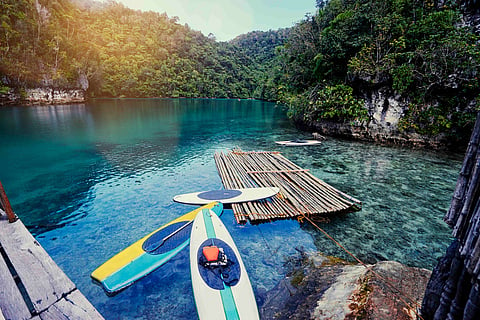
Calm blue waters at Sugba Lagoon, Siargao Shutterstock
Unlike more commercialised beach destinations in the country, Siargao’s development centres around small, locally run businesses. Here, tourism is focused in General Luna, the island’s main hub, while much of Siargao still consists of coconut plantations, fishing villages, and less-developed stretches of coastline.
Its global recognition comes from surfing, particularly at Cloud 9, a reef break known for its powerful right-hand waves. The island also has lush lagoons, calm inner waters like Sugba Lagoon ideal for paddleboarding, and Magpupungko Rock Pools. A growing café scene and improved connectivity complete Siargao’s appeal.
Surfing In Siargao
Surfing is central to how Siargao functions. Even for non-surfers, it shapes the island’s energy.
Advertisement
At the centre of it all is Cloud 9, one of the most recognised surf breaks in Asia. Known for its powerful, hollow right-hand waves breaking over a shallow coral reef, it’s primarily suited to experienced surfers. The boardwalk here also makes it one of the most accessible places to observe the sport up close.
What’s often overlooked, however, is the range of surf spots catering to different skill levels:
Beginner-friendly areas like Jacking Horse (near Cloud 9) and Daku Island offer gentler waves.
Intermediate surfers tend to explore spots such as Stimpy’s and Cemetery.
Advanced surfers head north to Pacifico or tackle breaks like Tuason Point for more challenging rides.
Beyond Surfing: What Else Siargao Offers
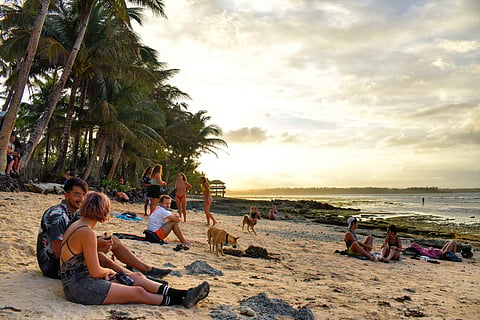
People relaxing by the shore at Cloud 9, watching surfers ride the waves Shutterstock
While surfing may define Siargao’s global identity, it’s not the only reason to visit. The island offers a range of experiences that balance activity with stillness.
Surrounded by limestone formations, the Sugba Lagoon is known for its calm, clear waters, ideal for paddleboarding or simply spending time on the water.
Advertisement
Another highlight is Magpupungko Rock Pools, which appear during low tide. These natural pools create a contrast to the open ocean, offering a more relaxed setting for swimming. Timing your visit around the tide is essential here.
Then there are the island’s interior landscapes. Long stretches of coconut-lined roads, often referred to as “coconut roads," have become synonymous with Siargao’s visual identity, offering a scenic counterpoint to its coastline.
Food, Cafés, And Everyday Life

Traditional Filipino feast set up on Guyam Island Shutterstock
Siargao’s lifestyle is more community-driven. The island’s café culture has grown steadily, reflecting its popularity among international travellers and remote workers.
Local Filipino cuisine remains a staple, with dishes like kinilaw (a vinegar-based raw fish preparation) and freshly grilled seafood widely available. At the same time, cafés and restaurants cater to diverse dietary preferences, including vegetarian options, which can be particularly useful for Indian travellers.
In terms of cost, local eateries, often called carinderias, offer affordable meals, while more tourist-oriented cafés and restaurants fall into a mid-range price bracket. This makes it possible to balance budget and comfort depending on travel style.
Advertisement
Practical Guide For Indian Travellers
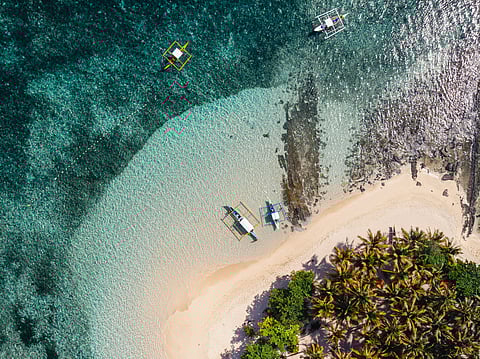
Siargao, Philippines Alejandro Luengo/Unsplash
Visa and Entry
Indian passport holders can enter the Philippines visa-free for up to 14 days; this stay is non-extendable. Travellers holding valid visas from countries such as the US, UK, Canada, Australia, Japan, or Schengen states may be eligible for a longer stay of up to 30 days. All travellers are required to complete registration on the eTravel Philippines at least 72 hours before departure.
Getting There
Siargao is accessible via Sayak Airport (IAO), with flights typically routed through Manila or Cebu. From the airport, General Luna serves as the island’s main base for travellers.
Getting Around
Scooters are the most common mode of transport and offer flexibility for exploring different parts of the island. Rentals are widely available.
Currency and Payments
The local currency is the Philippine Peso (PHP). Cash is important, as ATMs, particularly in General Luna, can occasionally run out.
Best Time To Visit
The best time to visit Siargao depends on what you’re looking for. From September to November, the island sees stronger swells, making it ideal for experienced surfers. In contrast, March to May brings calmer sea conditions, which are better suited for beginners and for activities like island hopping and lagoon visits.
Advertisement
Regardless of when you travel, it’s important to be mindful of safety. Many of Siargao’s surf breaks sit over coral reefs. Reef booties are recommended to prevent cuts and injuries, particularly for those entering the water. Tide awareness is also essential, especially when visiting places like Magpupungko Rock Pools, which are only safely accessible during low tide.
FAQs
1. Do Indian travellers need a visa for Siargao, Philippines?
Indian passport holders can enter the Philippines visa-free for up to 14 days. Those with valid visas from countries like the US, UK, or Schengen states may be eligible for up to 30 days.
2. What is the best time to visit Siargao?
September to November is ideal for experienced surfers due to strong waves, while March to May offers calmer conditions for beginners and island exploration.
3. How do you reach Siargao from India?
Travellers typically fly to Manila or Cebu and then take a domestic flight to Sayak Airport (IAO) in Siargao.
Advertisement
4. Is Siargao suitable for non-surfers?
Yes, Siargao offers lagoons, rock pools, island hopping, café culture, and scenic drives, making it ideal even for non-surfers.
5. How do you get around Siargao?
Scooters are the most popular and flexible way to explore the island, with rentals widely available in General Luna.

Published At: