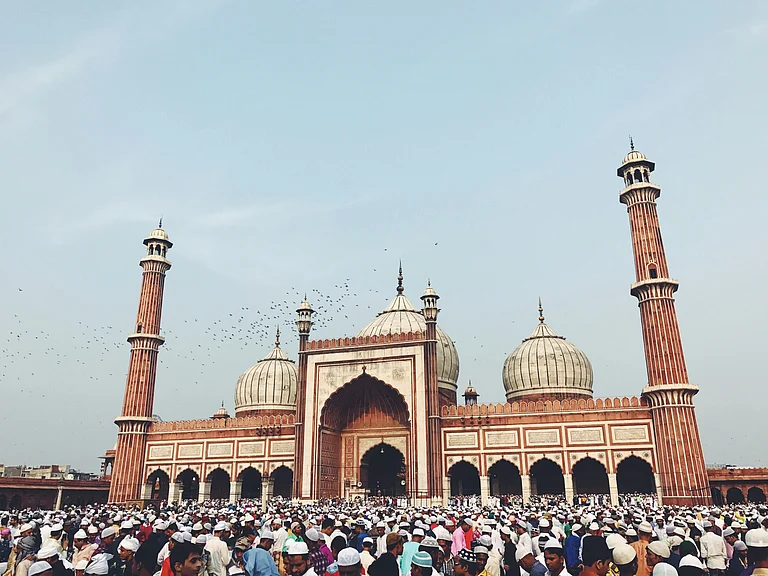
Eid-ul-Fitr marks the end of Ramadan, a month of fasting, reflection, and generosity. But in the final stretch before the crescent moon is sighted, something shifts across cities. Streets light up, markets stretch well into the night, and entire neighbourhoods begin to revolve around preparation—new clothes, gifts, sweets, and elaborate meals. Shopping, in this context, becomes more than a checklist; it’s part of the celebration itself. Across India, certain markets have come to define this festive build-up. Many of them grew around historic mosques, trade routes, or old city centres, gradually evolving into cultural hubs that see their peak during Ramadan. If you’re planning your Eid shopping—or simply want to soak in the atmosphere—these are the places that bring together history, craft, and the unmistakable buzz of the season.
From Bazaars To High Streets: Best Places To Shop For Eid-ul-Fitr In India
From historic bazaars to buzzing night streets, here’s where India shops for Eid—and why these markets have stood the test of time

Chandni Chowk, Delhi
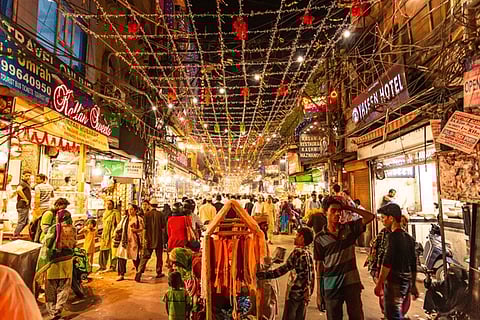
Centred around the 17th-century Jama Masjid, Chandni Chowk remains one of the most iconic Eid shopping destinations in the country. Its narrow lanes fill up quickly in the days leading up to Eid-ul-Fitr, with shoppers searching for embroidered kurtas, sherwanis, shararas, and traditional jewellery. The market’s Mughal-era origins are still visible in its structure and offerings, especially in the clusters of speciality shops that have been around for generations. Food is an inseparable part of the experience here, with stalls serving rich kebabs and classic sweetmeats late into the night. Expect crowds, noise, and a lot of last-minute decisions.
Laad Bazaar And Charminar Area, Hyderabad
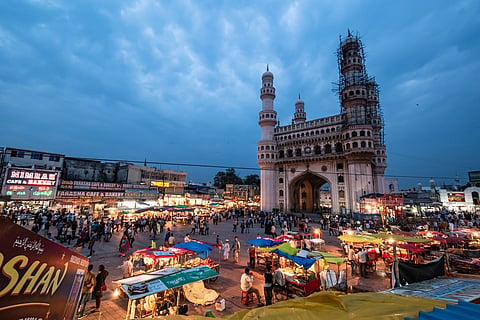
Located beside the Charminar, Laad Bazaar is synonymous with festive shopping in Hyderabad. Historically tied to the Nizam’s trading economy, the market is best known for its bangles—rows upon rows in glass, lacquer, and stonework. As Eid approaches, the entire area transforms into a vibrant shopping corridor offering bridal-style accessories, perfumes, and richly detailed outfits. The nearby Madina Building adds fabric stores and tailoring options, making it a practical stop for those planning custom outfits. It’s busy, colourful, and nearly impossible to leave empty-handed.
Zakaria Street, Kolkata
Near Nakhoda Masjid, Zakaria Street becomes one of Kolkata’s busiest Ramadan hotspots. By evening, the area turns into a packed stretch of food stalls and retail setups, staying active well past midnight. While you’ll find ethnic wear, caps, and accessories here, it’s the food that draws much of the crowd—slow-cooked dishes and traditional desserts that define the season. The market sits in one of the city’s oldest trading districts, and that layered history adds to its appeal. Go prepared for crowds and come with time to spare.
Muhammad Ali Road, Mumbai
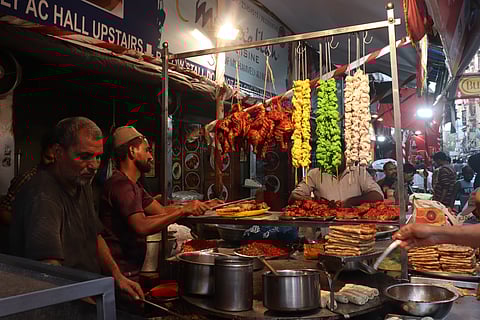
Few places in Mumbai match the energy of Muhammad Ali Road during Ramadan. Known for its late-night food culture, the area also doubles up as a key shopping destination for Eid-ul-Fitr. Garment shops and street vendors offer kurtas, abayas, and festive accessories, while the surrounding streets remain packed with visitors until the early hours. Its proximity to historic mosques has shaped its identity as a central gathering point during the season. If you’re heading here, expect a sensory overload—in the best way possible.
Teen Darwaza, Ahmedabad
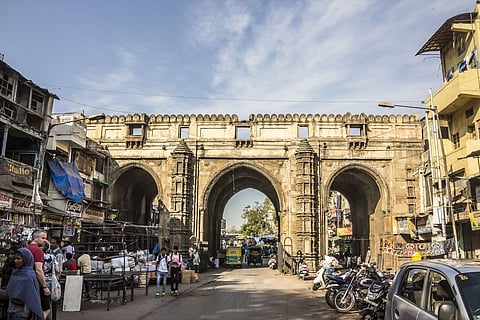
This historic gateway in Ahmedabad turns into a lively shopping zone ahead of Eid-ul-Fitr. Temporary stalls line the streets, selling traditional clothing, caps, perfumes, and sweets. The market’s trading legacy goes back centuries, and even today, it retains that old-world charm where bargaining is part of the process. It’s especially popular for last-minute shopping, thanks to its wide variety and flexible pricing.
Commercial Street, Bengaluru
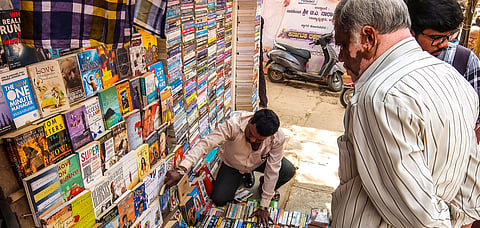
Commercial Street offers a more contemporary take on Eid shopping. While it doesn’t have the same historic roots as older bazaars, it makes up for it with range and accessibility. From ethnic wear and scarves to footwear and jewellery, the market caters to a wide mix of preferences. It’s particularly popular with younger shoppers looking to blend traditional outfits with modern styling.
Johari Bazaar, Jaipur

Johari Bazaar brings a sense of refinement to festive shopping. Known for its jewellery and textiles, it’s the place to look for kundan pieces, lac bangles, and richly woven fabrics. The market’s origins are linked to royal patronage, and that influence is still visible in the craftsmanship on display. It’s less chaotic than larger city markets, but just as rewarding if you’re looking for something more detailed.
Jamia Masjid Area, Srinagar

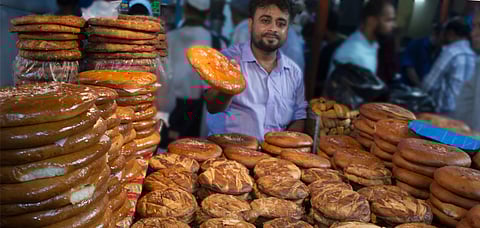
In Srinagar, Eid shopping carries a strong local character. Markets around Jamia Masjid see a steady flow of shoppers picking up traditional clothing, home essentials, and bakery items that are central to celebrations in the Valley. Bakeries, in particular, witness a surge, offering festive breads and sweets unique to the region. At the same time, changing consumer habits—especially the rise of online sellers—have added a new layer of competition to these traditional markets.
What To Know Before You Go
Timing can make or break your experience. Most of these markets are at their busiest after Iftar, when families step out to shop, eat, and spend time together. Late evenings offer the full festive atmosphere, but also bring the heaviest crowds. Carry cash for smaller vendors, and be prepared to walk—often more than planned. Bargaining is common in street markets, but less so in established stores. Most importantly, pace yourself. Between shopping and food, it’s easy to take on more than you intended.
In the end, Eid-ul-Fitr shopping in India is not just about what you buy. It’s about where you go, what you experience, and how these spaces—rooted in history—continue to shape the way the festival is celebrated.
FAQs
1. Which are the best markets for Eid-ul-Fitr shopping in India?
Chandni Chowk (Delhi), Laad Bazaar (Hyderabad), Zakaria Street (Kolkata), and Muhammad Ali Road (Mumbai) are among the most popular.
2. What is the best time to visit Eid-ul-Fitr markets?
Evenings after Iftar are the most vibrant, though also the most crowded.
3. What can you buy at Eid-ul-Fitr markets?
Traditional outfits, jewellery, bangles, perfumes, sweets, and festive food are widely available.
4. Are these markets open late during Ramadan?
Yes, most major Eid markets stay open late into the night, especially in the final days before Eid-ul-Fitr.
5. Is bargaining common in Eid markets?
Bargaining is common in street stalls and local bazaars, but less so in established retail shops.