Qutub Minar
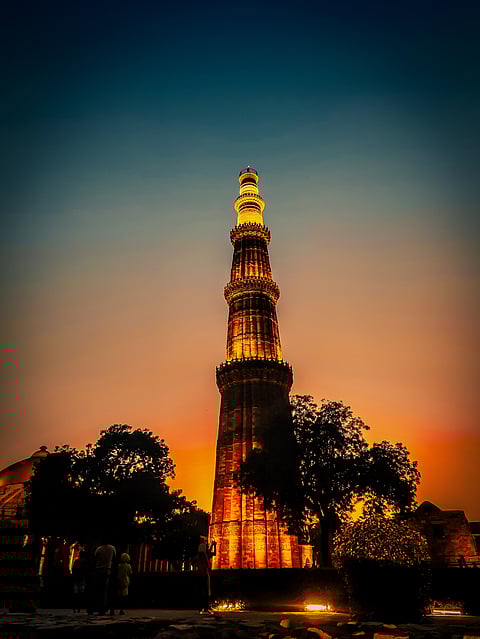
Delhi’s soaring 12th-century sandstone minaret rises within the Qutub complex, inscribed with early Indo-Islamic architecture, ancient ruins, Quwwat-ul-Islam Mosque, ornamental carvings, year-round visitors.

Delhi’s soaring 12th-century sandstone minaret rises within the Qutub complex, inscribed with early Indo-Islamic architecture, ancient ruins, Quwwat-ul-Islam Mosque, ornamental carvings, year-round visitors.
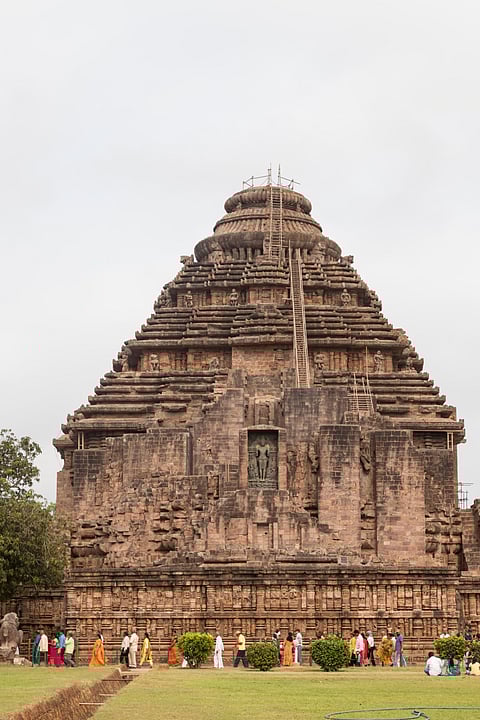
13th-century Odisha marvel carved as a stone chariot, intricate bas-reliefs depict mythology, celestial motifs and maritime trade; dawn light accentuates sculptural detail, photography and pilgrimage.
UNESCO-listed Buddhist monument dating to the Mauryan era, its hemispherical stupa, ornate gateways and reliefs offer insight into early Buddhist art, pilgrimage traditions and ancient stonecraft and conservation.
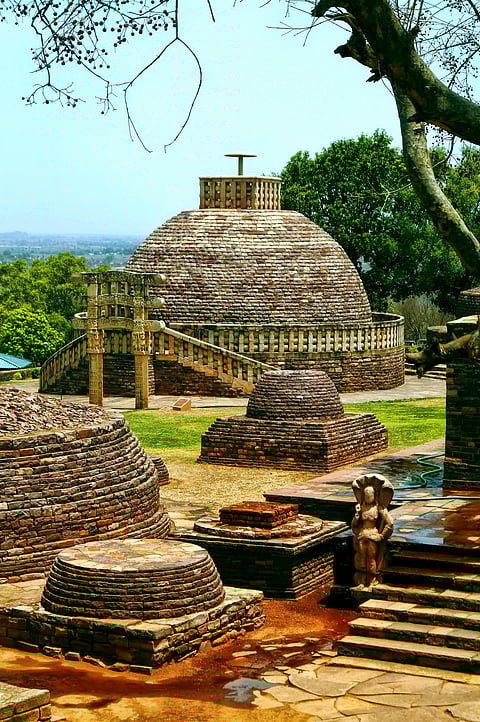
Rock-cut Buddhist monasteries and chaitya halls containing exquisite murals and sculptures from the second century BCE onwards; atmospheric caves reveal narrative painting techniques and monastic life for scholars.
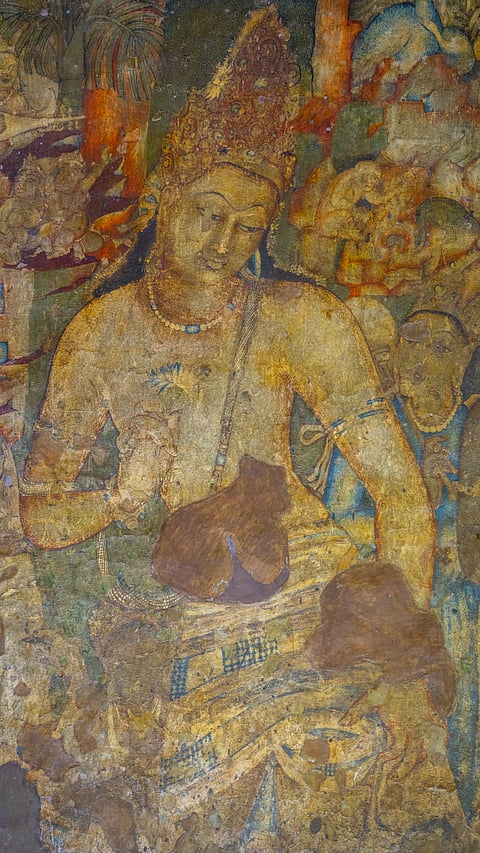
Multifaith rock-cut complex features the eighth-century Kailasa temple, a single-monolith architectural feat carved from basalt, displaying Shaiva, Buddhist and Jain artistry and visitor interpretation.
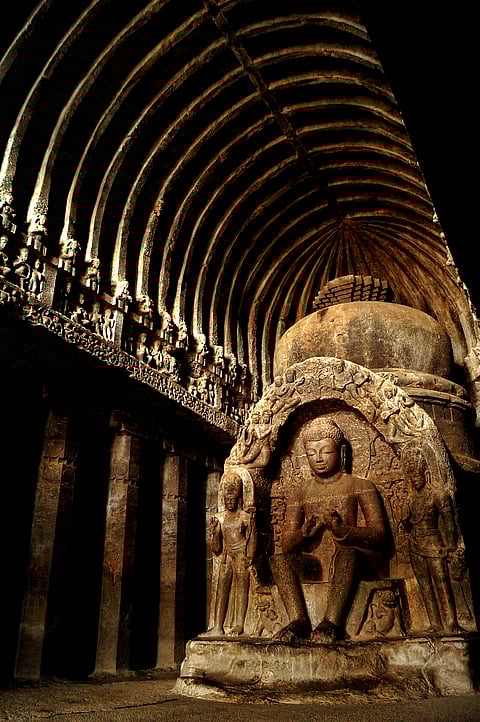
UNESCO-listed group of medieval temples famed for intricate erotic and secular sculptures, Chandela-era craftsmanship, sandstone spires and ritual layouts set amid a compact archaeological park with guides and signage.
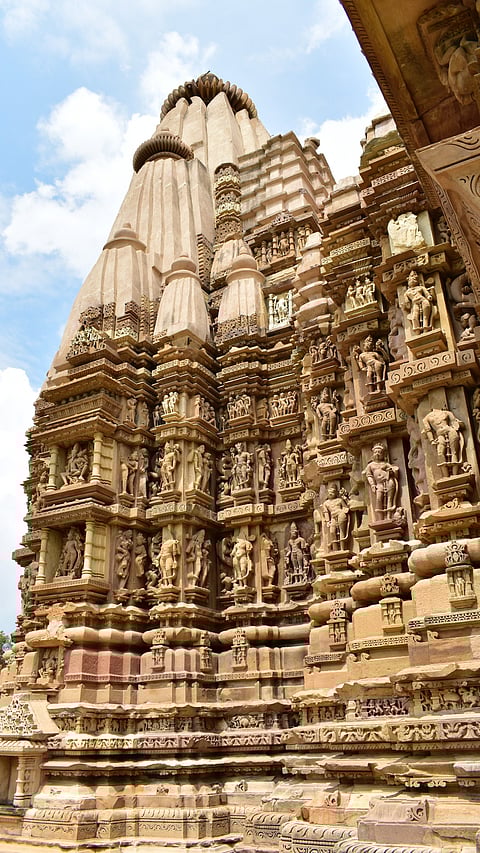
Thanjavur’s Chola masterpiece (early eleventh century) showcases towering vimana, monumental frescoes, monolithic Nandi and sophisticated Dravidian engineering with regular festivals, guided tours and conservation efforts.
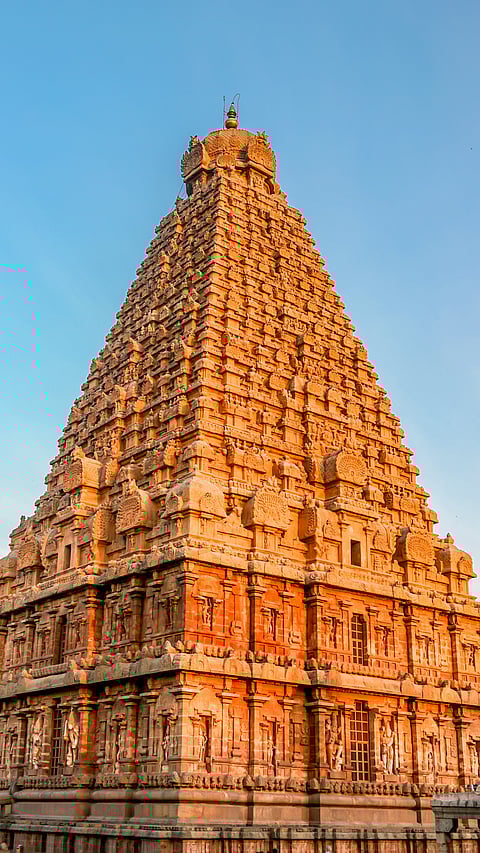
Vast Vijayanagara ruins date from fourteenth to sixteenth centuries, with monumental temples, market streets, granite boulders and irrigation works; UNESCO-listed landscape reveals medieval South Indian urban grandeur and archaeology.
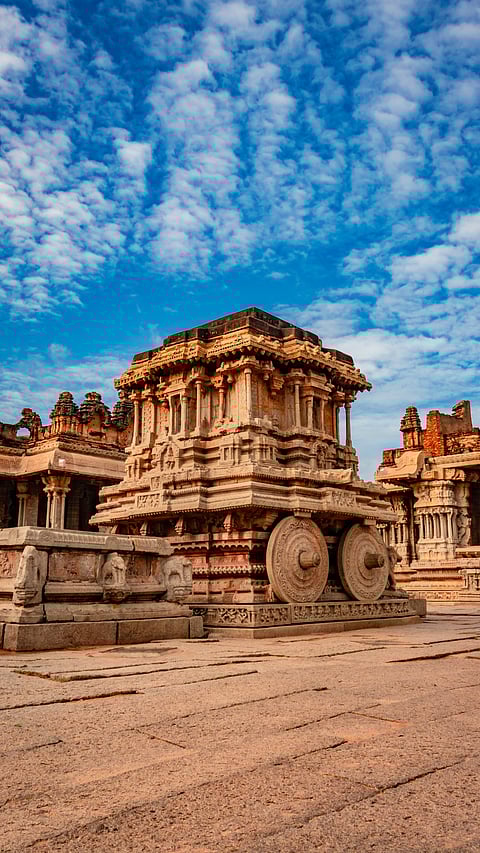
Exquisite stepwell at Patan dating to the eleventh century, adorned with hundreds of sculpted panels, mythological reliefs, hydraulic design and meticulous stone craftsmanship preserved underground and restoration.
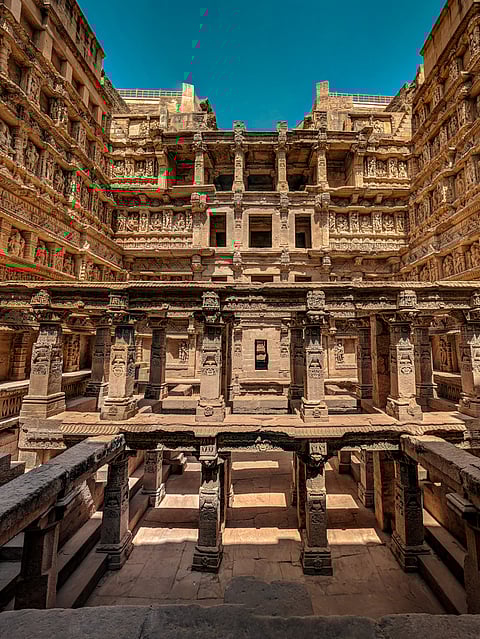
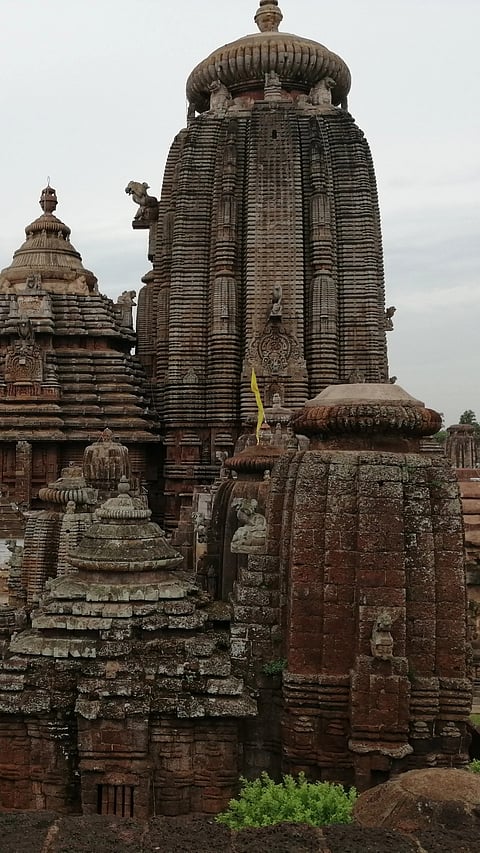
Bhubaneswar’s eleventh-century sandstone shrine blends Shaiva traditions, towering spire, ornate carvings and living worship; explore surrounding temple precincts, rituals and annual festivals with guided tours available.