Oslo is a city that marries bold modern design with deep history, wrapping everything around a glistening fjord. Though compact, it delivers big experiences: architectural landmarks that seem sculpted by ice, sprawling green spaces, world-class art and history museums, and vibrant food scenes that range from casual market halls to refined Nordic gastronomy. With good planning and a comfortable pair of shoes, you savour a perfect slice of Oslo in two days, balancing cultural immersion with scenic seaside walks and hearty local meals.
This 2-Day Oslo Itinerary Redefines Nordic Cool
Discover Oslo in two unforgettable days: climb the opera roof for sunrise views, stroll sculpture parks, ferry to museum-filled Bygdøy, explore medieval fortresses and savour Scandinavian flavours. Local dining tips and packing advice for all seasons

Advertisement
Explore Norway’s capital in just 48 hours as you wander futuristic architecture, Viking heritage, world-class museums, seaside promenades and lush parks. This guide tells you exactly where to go, what to eat, and how to make the most of your time in Oslo, from sunrise fjord views to late-night Nordic cuisine.
Oslo Two-Day Itinerary
Day 1: Waterfront Wonders And Urban Icons
Start your Oslo adventure at the Norwegian National Opera & Ballet, an architectural marvel that rises like a slanted iceberg from the waterfront. Its gleaming white marble roof doubles as a public plaza where you can walk up for panoramic views over the Oslofjord and city skyline, especially magical at sunrise or sunset.
From the opera house, stroll east along the harbour to Aker Brygge, a lively waterfront district built on the site of old shipyards where locals and visitors mingle on boardwalks and piers. Here, sleek shops, outdoor cafés and restaurants overlook the sea, and floating saunas and swim spots make for quintessentially Scandinavian experiences in warmer months. Lunch here offers fresh seafood, local salmon or a bowl of hearty Norwegian fish soup with a view of the fjord.
Advertisement
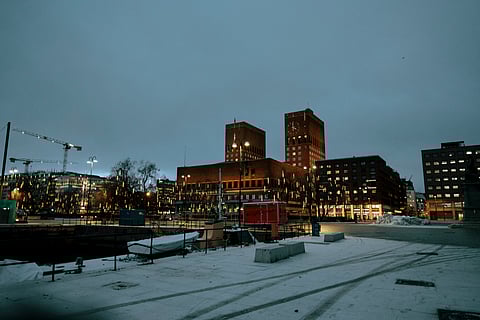
Aker Brygge, Oslo, Norway Theo Eilertsen Photography/Unsplash
Cross the footbridge to Tjuvholmen, a chic arts district where modern architecture blends with contemporary sculpture parks and art galleries. The promenade and beach areas provide great photo ops, and you can visit the Astrup Fearnley Museum of Modern Art if time allows—its collection and striking seaside setting are highlights of Oslo’s cultural scene.
In the afternoon, take a tram or taxi to Frogner Park, more commonly called Vigeland Park, one of Oslo’s most iconic outdoor attractions. Spread across the largest public park in the city, Gustav Vigeland’s over 200 granite and bronze sculptures depict the full arc of human emotions and life stages. Among the highlights are the towering Monolith and playful figures that invite reflection and photos alike.
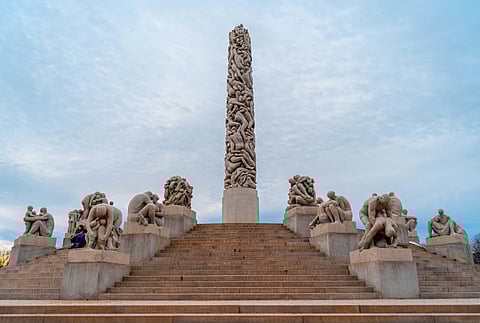
Vigeland Sculpture Park, Oslo, Norway Marius Tandberg/Unsplash
For dinner, head to the Grünerløkka district, Oslo’s creative hub, where cosy bistros serve seasonal Nordic cuisine paired with craft beers or natural wines. If you prefer something upscale, book a table at one of Oslo’s acclaimed restaurants for refined tasting menus rooted in local produce. After dinner, enjoy a nightcap at one of the neighbourhood’s lively bars before heading back to your hotel.
Advertisement
Day 2: Museums, Peninsula History And Castle Views
On your second morning, head to the Bygdøy peninsula, a short ferry ride from Aker Brygge in spring through autumn, or a quick bus ride year-round. Bygdøy is often called Oslo’s museum island and is home to an unbeatable lineup of cultural attractions.
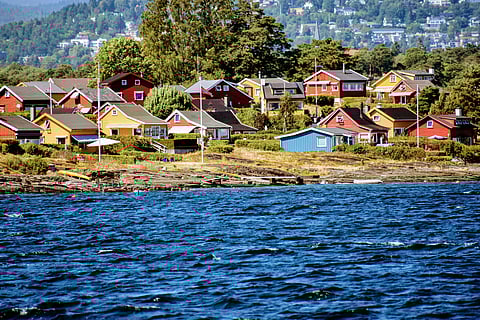
Countryside Oslo, Norway Rob Maxwell/Unsplash
Start at the Fram Museum, where the polar ship Fram offers a remarkable glimpse into Norway’s legendary polar explorations. You can board the vessel that braved Arctic and Antarctic seas to learn about the conditions explorers endured. Nearby, the Norwegian Folk Museum presents Norway’s past in an engaging, open-air setting with over 150 traditional buildings and even a 12th-century stave church.
Also on Bygdøy is the Kon-Tiki Museum, celebrating Thor Heyerdahl’s epic Pacific raft expeditions with actual vessels and artefacts that bring adventure to life. Though the historic Viking Ship Museum is currently closed for renovation, plans call for its reopening with enhanced displays in the coming years.
Advertisement
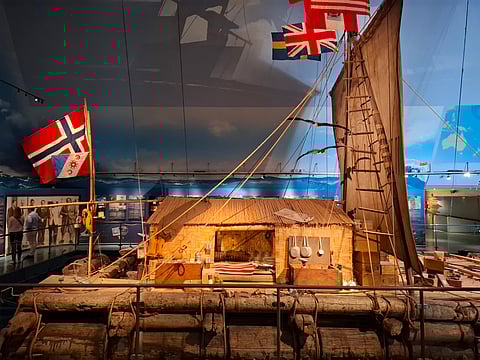
Kon-Tiki raft, side view (Kon-Tiki Museum, Oslo) Wikimedia Commons
Return to the city in the afternoon and wander to Akershus Fortress, a medieval stronghold that crowns the harbour’s edge. The fortress dates back to the late 13th century and offers sweeping views over the fjord with historic ramparts, museums and peaceful courtyards to explore.
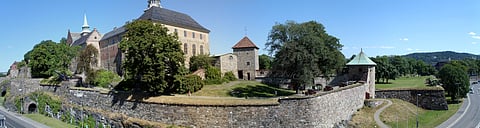
Panorama of Akershus Castle from the seafront Wikimedia Commons
Lunch at a harborfront café near the fortress or back at Aker Brygge sets you up for an art-rich afternoon. Visit the National Museum on the waterfront, Scandinavia’s largest art collection, including masterpieces by Edvard Munch and other Nordic and international artists.
For your final evening, explore the hip neighbourhoods around Oslo Central or return to Grünerløkka for dinner. Try reindeer or Arctic char for local flavour, and end with a dessert café experience or craft cocktail at one of Oslo’s stylish lounges.
What To Pack

A person packing mindfully for a winter trip (representational photo) Shutterstock
Oslo’s weather can be changeable, so pack layers that can handle brisk sea breezes and sudden showers. A lightweight waterproof jacket with a hood, a warm mid-layer like a fleece or thin down jacket, and comfortable walking shoes are essentials year-round. Visit in winter? Add thermal base layers, insulated gloves, a warm hat and a sturdy windproof coat to stay comfortable outdoors. Bring a small daypack for museum days, a universal power adaptor, a reusable water bottle, and any personal medication to keep your trip smooth.
Advertisement
How To Go
Oslo Airport Gardermoen sits about 45 kilometres north of the city, and the fastest way to reach the centre is via the Airport Express Train (Flytoget), which takes about 20 minutes and delivers you to Oslo Central Station with ease. Once in town, Oslo’s integrated public transport network of trams, buses and ferries makes getting between sights straightforward—consider an Oslo Pass if you plan to visit multiple museums, as it includes free travel and discounted admissions. For short hops between nearby attractions, the city is highly walkable, and taxis or rideshare services provide convenient alternatives when needed.
With this itinerary, you’ll experience Oslo’s sleek architectural landmarks, rugged coastal beauty and rich cultural stories, leaving you with lasting impressions of Norway’s dynamic and welcoming capital.
FAQs
1. Is two days enough to explore Oslo?
Yes, Oslo is compact and well connected, allowing travellers to cover major attractions like the Opera House, Vigeland Park, Bygdøy museums and Akershus Fortress in 48 hours.
Advertisement
2. What are Oslo’s must visit cultural sites?
Key highlights include the National Museum, Fram Museum, Norwegian Folk Museum, Kon Tiki Museum and the contemporary Astrup Fearnley Museum.
3. How should travellers get around Oslo?
The city is walkable and supported by efficient trams, buses and ferries. An Oslo Pass is ideal for museum hopping and free public transport.
4. What food should you try in Oslo?
Local favourites include reindeer, Arctic char, fresh seafood, Nordic pastries and modern Scandinavian tasting menus in Grünerløkka and Aker Brygge.
5. What is the best time of year to visit Oslo?
Oslo is enjoyable year round. Summer offers long days and fjord activities, while winter brings cosy cafés, museums and snow framed city views.

Published At: