Christmas is one of the most celebrated festivals in the world, recognised not only as a religious observance but also as a global cultural phenomenon. For many, it is a time of joy, family gatherings, and festive traditions, while for others, it is an opportunity to explore the historical and cultural roots of the season. From its ancient origins to the iconic locations that celebrate it best, this feature takes a deep dive into the meaning, history, and places associated with Christmas.
The Spirit Of Christmas: History, Symbols, And Places That Celebrate The Season
Christmas is more than tinsel and presents. From its ancient pagan roots to the birth of Jesus, and the snowy streets of Lapland to Bethlehem’s sacred sites, this festive season blends history, tradition, and travel-worthy destinations

Advertisement
The Meaning Of Christmas
At its heart, Christmas commemorates the birth of Jesus Christ, central to Christian belief. Falling annually on December 25, it is a time to reflect on themes of hope, generosity, and love. Over centuries, the holiday has evolved beyond strictly religious observance. In contemporary society, Christmas encompasses a wide range of traditions including gift-giving, festive meals, decorating trees, and exchanging cards. It has become a universal celebration of family and togetherness, uniting people across cultures and faiths.

Mulled Wine Is everyone's favourite Christmas drink Shutterstock
Christmas is also symbolic of light in the darkest part of the year. In the northern hemisphere, the festival coincides with the winter solstice, a period historically associated with feasts, candles, and celebrations that mark the return of longer days. This symbolic connection between light and hope continues to influence Christmas imagery, from sparkling lights to the iconic Christmas star.
Pagan Roots Of Christmas
While most people associate Christmas with the birth of Jesus Christ, the festival’s origins are far older and more complex. Long before Christianity, ancient cultures marked the winter solstice, the shortest day and longest night of the year, with celebrations that honoured the return of light. In Rome, the Saturnalia festival dedicated to the god Saturn involved feasting, gift-giving, and festive merrymaking, some of which echoes in today’s Christmas traditions.
Advertisement
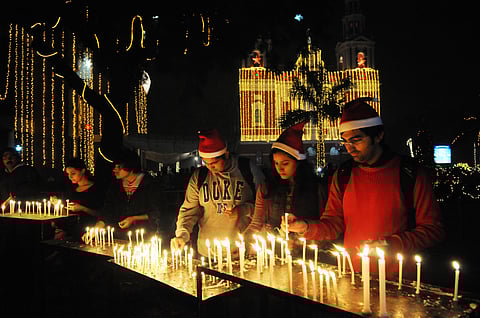
Devotees light candles and pray at the Sacred Heart Cathedral on the eve of Christmas in New Delhi Debatosh Sengupta/Wikimedia Commons
Similarly, the Norse celebrated Yule with bonfires, feasting, and decorated evergreens, symbolising life and renewal during the darkest part of winter. Many customs that are now considered quintessentially Christmas—such as decorating fir trees, adorning homes with holly and ivy, and even the tradition of kissing under mistletoe—can trace their roots to these pre-Christian rituals, where evergreens represented eternal life and mistletoe was revered for its supposed magical properties of protection and fertility.
Historical Origins
The origins of Christmas are a blend of religious, pagan, and cultural traditions. While the Christian Church officially recognised December 25 as the date of Jesus’ birth in the fourth century, earlier winter festivals such as the Roman Saturnalia and the Norse Yule provided inspiration. These celebrations involved feasting, merrymaking, and exchanging gifts, elements that remain central to modern Christmas.
During the Middle Ages, Christmas evolved into a community-centred festival in Europe. Traditions such as nativity plays, carol singing, and festive markets emerged. By the 19th century, the holiday took on a more domestic and family-focused character, influenced heavily by literature and popular culture. The figure of Santa Claus, inspired by St Nicholas, became synonymous with gift-giving, and the Christmas tree tradition, originating in Germany, spread across Europe and beyond.
Advertisement
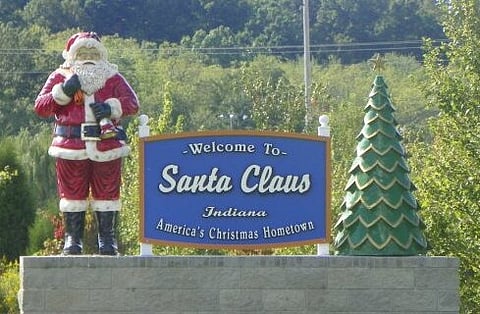
Santa Claus in Indiana embraces its festive legacy all year long Sarah Afshar/Wiki Commons
Traditions And Symbols
Christmas is rich with symbolism, each element carrying historical and cultural significance. The Christmas tree, adorned with ornaments and lights, represents life and renewal. The nativity scene, depicting the birth of Jesus in Bethlehem, is a reminder of the festival’s religious roots. Other symbols, including wreaths, candles, and mistletoe, stem from ancient winter rituals, yet remain beloved in contemporary celebrations.
Food and drink are also central to Christmas tradition. In Britain, roast turkey, mince pies, and Christmas pudding dominate festive tables, while other countries have unique culinary customs that reflect local history and ingredients. Carols and music, from traditional hymns to modern pop songs, further enrich the celebratory atmosphere.
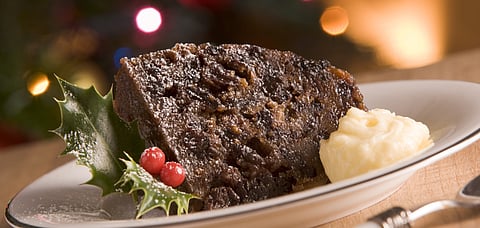
Christmas pudding is a tradition during the festive season Shutterstock
Alternative And Non-Mainstream Traditions
Christmas is also celebrated in diverse ways beyond the mainstream Western Christian model. In Eastern Orthodox Christianity, for example, Christmas falls on January 7 according to the Julian calendar, accompanied by unique rituals, feasts, and church services that differ from the December 25 observance. Beyond Christian denominations, modern neo-pagan or Wiccan traditions continue to honour the Winter Solstice as part of the annual cycle of seasonal festivals.
Advertisement
These celebrations often blend ancient symbols of light, greenery, and feasting with some of the secular aspects of Christmas, highlighting the festival’s enduring capacity to evolve. Even figures such as Santa Claus, while derived from St Nicholas, carry elements shaped by folklore, European winter traditions, and cultural adaptation over centuries, showing how deeply Christmas draws on both religious and non-religious influences. In essence, the holiday we now recognise as Christmas is a rich tapestry woven from Christian observance, ancient pagan customs, and evolving cultural practices, which together create the universal festival celebrated across the world today.
Places Associated With Christmas
Certain locations around the world are inseparably linked to the spirit of Christmas, attracting travellers seeking both festivity and history.
Bethlehem, in the West Bank, is perhaps the most significant for Christians. Pilgrims from around the globe visit the Church of the Nativity, believed to mark the birthplace of Jesus. The town comes alive during December with processions, decorations, and midnight mass, offering a profound spiritual experience.
Advertisement
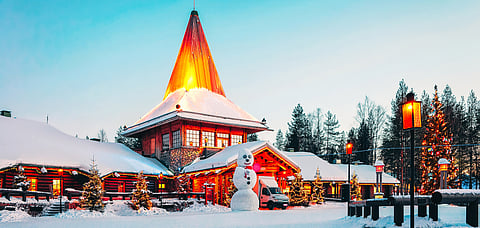
Snowman at Santa Office of Santa Claus Village in Rovaniemi in Lapland in Finland Shutterstock
In Europe, Nuremberg, Germany, is famed for its Christkindlesmarkt, one of the oldest Christmas markets, dating back to the 16th century. Visitors can wander through rows of wooden stalls, sampling gingerbread and mulled wine while absorbing a historic festive atmosphere. Similarly, Lapland in Finland is celebrated as the home of Santa Claus. The snowy landscapes, reindeer rides, and Northern Lights create a magical setting that appeals to families and adventure-seekers alike.
Within the UK, cities such as London and Edinburgh are renowned for their Christmas lights, markets, and winter festivals. Edinburgh’s Christmas celebrations include a seasonal market, ice skating rinks, and traditional entertainment along the historic Royal Mile, offering a blend of Scottish heritage and modern festivity.
FAQs
What is the true meaning of Christmas?
Christmas primarily celebrates the birth of Jesus Christ, symbolising hope, love, and generosity. Over time, it has also become a broader cultural festival focused on family, gift-giving, and festive traditions.
Advertisement
Why is Christmas celebrated on 25 December?
The date was chosen by the early Christian Church in the 4th century, possibly to align with pre-existing pagan winter solstice festivals, making it easier to merge Christian and local traditions.
What are some pagan origins of Christmas?
Many customs, like decorating evergreens, lighting candles, and feasting during the winter, come from ancient pagan celebrations such as the Roman Saturnalia and the Norse Yule.
Where did Santa Claus come from?
Santa Claus originates from St Nicholas, a 4th-century bishop known for generosity. Over centuries, folklore, European traditions, and modern commercial culture transformed him into the jolly figure we know today.
What are some iconic places associated with Christmas?
Bethlehem, where Jesus was born, remains a spiritual centre. Europe boasts famous markets in cities like Nuremberg, while Lapland in Finland is celebrated as Santa Claus’s home, complete with snowy landscapes and festive experiences.
Published At:
Tags