Portugal may be compact, but there is plenty to discover, from the colourful streets of Lisbon and Porto to the beaches of the Algarve and the vineyards of the Douro Valley. It is also a destination where a little planning can make your trip much easier. From knowing what to expect at restaurants to choosing the right shoes, here are 10 things travellers should know before visiting Portugal.
10 Things Travellers Should Know Before Visiting Portugal
From Lisbon’s steep streets to restaurant customs, these Portugal travel tips will help you plan a smoother and more enjoyable trip

Advertisement
Be Ready For Plenty Of Walking
Walking is one of the best ways to experience Portugal, especially in Lisbon and Porto. But the beautiful streets come with steep hills, staircases and slippery cobblestone pavements known as calçada Portuguesa. Comfortable shoes with a good grip are a must, particularly if you plan to explore neighbourhoods such as Lisbon's Alfama or Porto's Ribeira. Leave the uncomfortable footwear behind and expect your legs to get a little workout along the way.
Carry Some Cash
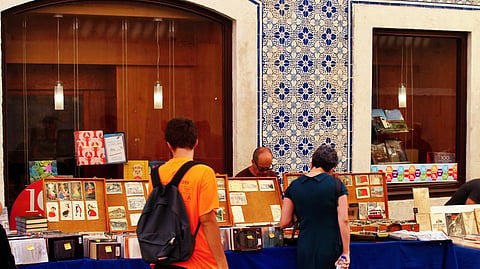
The world’s oldest bookstore in operation is located in Lisbon, Portugal Shutterstock
Cards are widely accepted across Portugal, particularly in larger restaurants, hotels and shops, but carrying some cash is still useful. Small cafes, bakeries, taxis and businesses in rural areas may prefer cash or have minimum amounts for card payments. Keep around €30–€50 (INR 3,305 to 5,530) with you for small purchases and unexpected situations. When using an ATM, look for machines connected to Portuguese banks and check the fees and currency conversion options before confirming a withdrawal.
Advertisement
Skip The Car In Lisbon And Porto
If your trip is mainly about Lisbon and Porto, you really do not need a rental car. Both cities have good public transport, while walking, taxis, and ride-hailing services make getting around fairly easy. Driving can also be frustrating because of narrow streets, hills, traffic and limited parking. Trains are a convenient option for travelling between major cities, with services connecting Lisbon, Porto, Coimbra and other destinations. A car becomes more useful when exploring rural areas or places that are harder to reach by public transport.
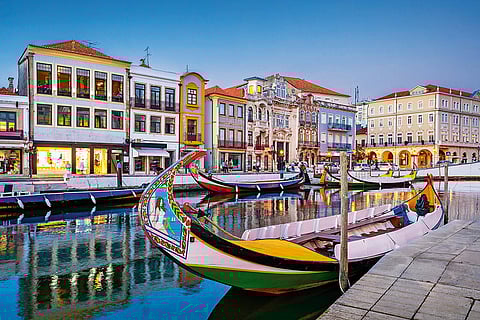
Explore Lisbon’s streets, Porto’s wines, and Algarve’s coastal cliffs this winter Centre of Portugal
Plan Your Route Around Your Interests
Portugal offers much more than Lisbon and Porto, so it helps to decide what kind of holiday you want. For a first visit of five to seven days, Lisbon, Sintra and Porto make a good combination. Sintra is perfect for palaces and fairytale-like scenery, while Porto offers a more atmospheric riverside experience. Beach lovers can head south to the Algarve, while history enthusiasts may prefer Coimbra and Évora. For nature and slower travel, consider the Douro Valley or Peneda-Gerês National Park.
Advertisement
Book Popular Places In Advance
Portugal is a popular destination, particularly during the summer months, and some attractions can get very busy. If you have your heart set on places such as Pena Palace in Sintra, it is better to book ahead rather than hope for tickets on the day. Accommodation in popular cities and coastal destinations can also fill up quickly during peak season. Booking trains and major attractions in advance can save both time and money and make your itinerary much less stressful.
Know About The Restaurant Couvert
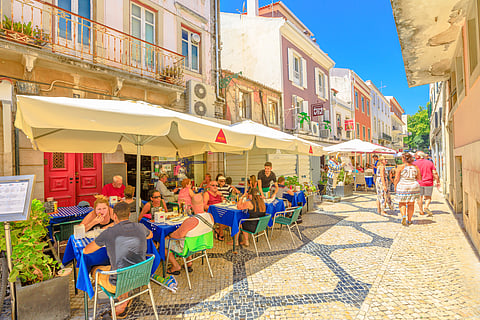
Streets of Cascais Shutterstock
When you sit down at a Portuguese restaurant, you may find bread, olives, cheese or other small dishes already waiting on the table. This is called couvert, and unlike complimentary appetisers in some countries, these items are generally charged if you eat them. If you do not want them, simply ask the server to take them away. It is also worth checking your bill before paying. Portuguese meals are usually relaxed, with lunch around midday and dinner often starting later in the evening.
Advertisement
Learn A Few Portuguese Words
English is widely spoken in tourist areas, so you will generally have little trouble communicating in Lisbon, Porto and the Algarve. Still, making an effort to use a few Portuguese words can make everyday interactions more pleasant. Start with simple expressions such as Olá for hello, Bom dia for good morning and Por favour for please. Obrigado is used by men and Obrigada by women to say thank you. And remember, Portuguese is not Spanish, so avoid assuming the two languages are interchangeable.
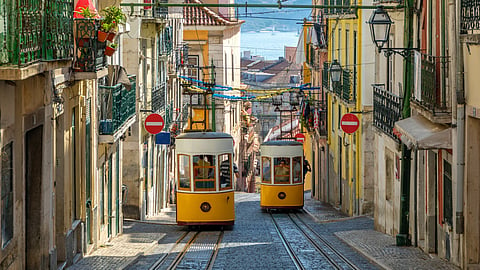
The historic Elevador da Glória funicular connects Restauradores Square to Bairro Alto. It has been a symbol of Lisbon since 1885. Shutterstock
Keep An Eye On Your Belongings
Portugal is considered a safe country for travellers, but petty theft can happen in crowded tourist areas. Be particularly careful on busy public transport, at major train stations and around popular attractions. Lisbon's historic Tram 28 is a well-known place where visitors should be extra alert. Keep your bags closed, avoid leaving phones or wallets on tables and be aware of your surroundings in crowded streets. Basic precautions are usually enough to help you enjoy your trip without unnecessary trouble.
Advertisement
Pack For More Than One Kind Of Weather
Portugal may look small, but its weather varies considerably between regions. Porto and the north tend to be cooler and wetter, while Lisbon has hot, dry summers and mild winters. The Algarve is warmer and sunnier, making it a favourite for beach holidays, although the Atlantic water can still feel surprisingly cold. If you are travelling outside summer, carry layers and check your accommodation's heating arrangements, particularly when staying in older buildings.
Make Time For Coffee And Local Life
Coffee is a small but important part of everyday life in Portugal. Instead of always ordering a large takeaway coffee, do as the locals do and sit at a neighbourhood cafe or have a quick coffee at the counter. A standard espresso is usually ordered as um café, while um galão is a milky coffee served in a tall glass. And do not rush through your meals. Portugal is best enjoyed slowly, whether you are sitting over coffee, wandering through an old neighbourhood or watching the sunset by the Atlantic.
Advertisement
Pro-Tip For Indian Travellers
Indian passport holders require a standard Short-Stay Schengen Visa (Type C) to enter Portugal, as there are currently no visa-on-arrival or e-visa facilities available. Applications must be submitted physically through VFS Global centres across India at least 30 to 45 days prior to departure. Key entry mandates include holding a passport valid for six months beyond the trip, securing compliant travel insurance with €30,000 minimum medical coverage, and submitting three to six months of stamped bank statements demonstrating sufficient liquid funds (typically INR 2.5 to 4 Lakhs per person). Upon arrival, immigration officials frequently request proof of confirmed round-trip flights and hotel bookings to grant final entry clearance into the country.
FAQs
1. What should I know before visiting Portugal?
Be prepared for plenty of walking, especially in Lisbon and Porto, carry some cash, book popular attractions ahead and pack comfortable shoes.
2. Do I need a car in Portugal?
Not necessarily. Lisbon and Porto are easy to explore without a car, while trains and public transport can be useful for travelling between major cities.
Advertisement
3. Is cash still needed in Portugal?
Cards are widely accepted, but carrying some cash is useful for small cafes, bakeries, taxis and businesses in rural areas.
4. What is couvert in Portugal?
Couvert refers to items such as bread, olives or cheese that may be placed on your restaurant table and charged if you eat them.
5. Is Portugal safe for tourists?
Portugal is considered a safe destination, but petty theft can occur in crowded tourist areas and on busy public transport. Keep your belongings secure.

Published At: