Step into the Indian New Year 2026 with a deep, refreshing breath of pure, pollution-free air and the promise of serene escapes. Lose yourself in mist-laden tea gardens or in destinations perched in cool, fragrant mountains. These destinations are sanctuaries for the soul, offering calm, clarity, and a rare chance to reconnect with nature. Yet, as our cities have already borne the scars of pollution, it is vital to travel responsibly. These pristine havens are far from empty—they are home to countless non-human inhabitants. As we explore, we must tread lightly, honouring the delicate ecosystems and lives that call these landscapes home.
New Year 2026 Getaways In India: 5 Pollution-Free Destinations For Clean Air And Calm
Step into the Indian New Year 2026 with pollution-free air and serene escapes. From misty mountain tea gardens to mountain valleys, these havens are home to countless non-human inhabitants—let’s explore responsibly and leave them untouched

Advertisement
5 Pollution-Free Destinations To Visit This New Year
Kalpa, Himachal Pradesh: Himalayan Air And Kinnaur Kailash Views

A shepherd's hut in Kalpa village, Himachal Pradesh Flickr: Nick Irvine-Fortescue
Nestled in Himachal Pradesh’s Kinnaur district, Kalpa is a high-altitude village offering pristine Himalayan charm, crisp mountain air, and breathtaking views of the snow-capped Kinnaur Kailash range. The village blends Himachali and Tibetan culture, reflected in its monasteries, apple orchards, and traditional lifestyle, making it an ideal escape for tranquility and natural beauty.
What To See And Do In Kalpa
Explore the Hu-Bu-Lan-Kar Monastery and wander through fragrant apple orchards. Trekking enthusiasts can try the Chakka route to Shrikhand Mahadev, while viewpoints offer dramatic gorge vistas. Roghi Village showcases local life, and the sunrise over Kinnaur Kailash is an unforgettable experience.
How To Reach Kalpa
Kalpa sits along the scenic Old Hindustan Tibet Road, about 260 km from Shimla. The journey offers stunning mountain views and is accessible by road, making it an ideal escape for those seeking fresh, pollution-free air and serene Himalayan landscapes.
Advertisement
Bhandardara, Maharashtra: Waterfalls, Forests And Low-Pollution Escapes
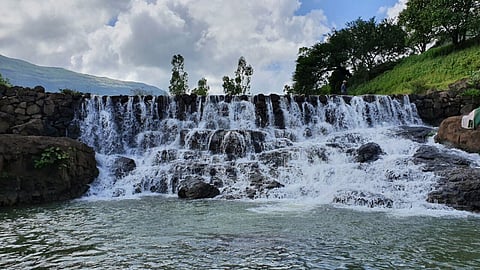
The waterfalls in Bhandardara are breathtaking Shutterstock
Bhandardara, nestled in Maharashtra’s Ahmednagar district, is a serene hill station known for lush greenery, cascading waterfalls, and adventure-filled escapes. From the majestic Wilson Dam on the Pravara River to Mount Kalsubai, the highest peak in Maharashtra, this destination is a haven for nature lovers, trekkers, and those seeking fresh, pollution-free air.
Things To Do In Bhandardara
Visit Wilson Dam and Arthur Lake for breathtaking views, especially when the lake is full. Witness Umbrella Falls and Randha Falls at their peak during monsoon, or explore Sandhan Valley, the “Valley of Shadows,” for trekking and camping. The ancient Amruteshwar Temple offers cultural charm, while seasonal fireflies add a magical touch to the forests. Mount Kalsubai’s challenging trek rewards adventurers with panoramic vistas of the Sahyadris.
How To Reach Bhandardara
Bhandardara is accessible by road from Mumbai and Pune, often combined with trips to nearby Igatpuri. Best visited from June to February, it’s a peaceful retreat into nature’s beauty and tranquility.
Advertisement
Coorg, Karnataka: Coffee Plantations And Clean Air In The Western Ghats

Coorg or Kodagu has stunning landscapes explorewithinfo/Shutterstock
Nestled in Karnataka’s Western Ghats, Coorg (Kodagu) is a picturesque hill district celebrated for its pollution-free environment, dense forests, coffee and spice plantations, and eco-tourism initiatives. Fragrant mountain air, misty valleys, and lush greenery make it a serene escape for those seeking tranquility away from urban pollution.
Experiences In Coorg
Explore Abbey Falls and Iruppu Falls, or take in panoramic views from Brahmagiri Hills. Visit the Omkareshwara Temple and immerse yourself in Kodava culture in Madikeri, Virajpet, or Kushalanagara. Wildlife enthusiasts can spot elephants, tigers, and exotic birds in Nagarhole National Park and nearby sanctuaries. Wander through coffee and spice plantations, enjoy community-run homestays, and experience sustainable eco-tourism that keeps the landscape pristine.
How To Reach Coorg
Coorg is accessible by road from Bangalore (approx. 260 km) and Mysore, making it an ideal South Indian hill station getaway. Best visited in winter (November–March), it offers fresh air, calm climate, and a peaceful green retreat.
Advertisement
Pelling, Sikkim: Kanchenjunga Views And Strict Pollution Controls
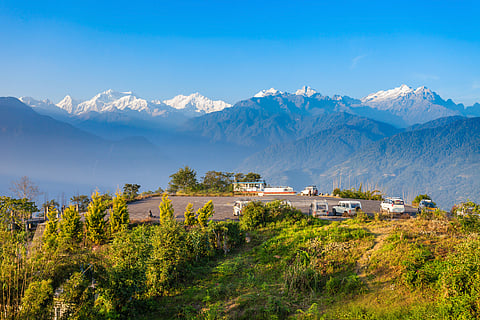
The Kangchenjunga viewpoint in Pelling in West Sikkim saiko3p/Shutterstock
Perched in West Sikkim, Pelling is a serene Himalayan town famed for its breathtaking views of Mt. Kanchenjunga, lush forests, and rich cultural heritage. Thanks to Sikkim’s strict pollution regulations and emphasis on organic farming, the town offers fresh, crisp air and a tranquil escape from urban chaos, making it ideal for nature lovers and spiritual seekers alike.
Places To Visit In Pelling
Visit the historic Pemayangtse Monastery and Sangachoeling Monastery, or explore the Rabdentse Ruins for a glimpse into Sikkim’s past. Enjoy the modern Pelling Skywalk with its Chenrezig Buddha statue, and soak in the serene beauty of Khecheopalri Lake. Kanchenjunga Falls and Changey Waterfall provide spectacular natural sights, while trekking toward Goecha La or birdwatching in the surrounding forests completes the experience.
How To Reach Pelling
Pelling is accessible by road from Gangtok (approx. 115 km) and Siliguri, offering a convenient Himalayan retreat. Best visited between October and February for clear skies, fresh air, and panoramic mountain vistas.
Advertisement
Mawlynnong, Meghalaya: Asia’s Cleanest Village And Sustainable Living
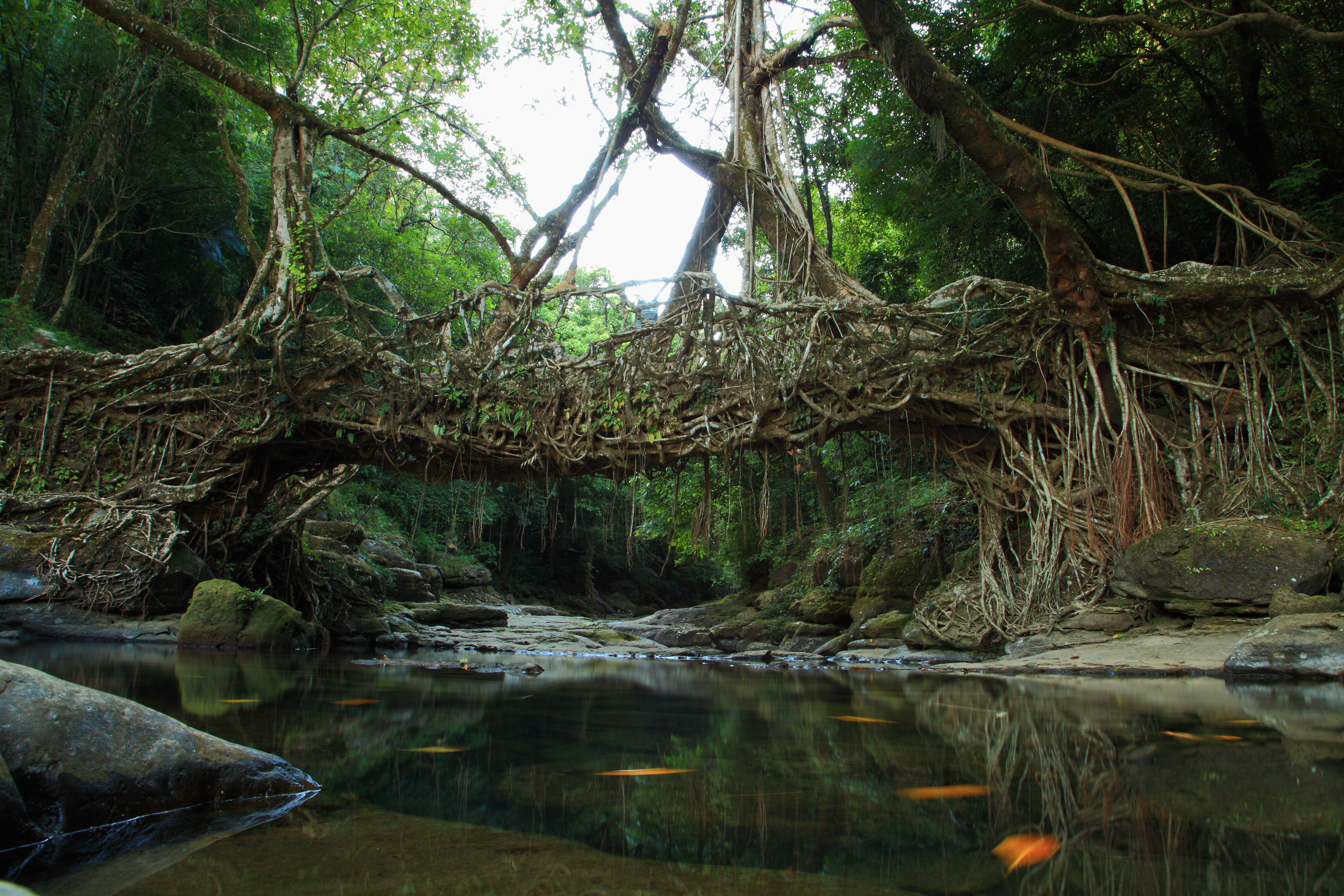
A living root bridge at Mawlynnong Jim W Kasom/Shutterstock.com
Nestled in Meghalaya’s East Khasi Hills near the Bangladesh border, Mawlynnong has earned the title of “Asia’s Cleanest Village” thanks to its spotless streets, lush greenery, and strong community commitment to sustainability. This serene Khasi village offers a refreshing escape with fresh air, eco-tourism experiences, and a unique mix of nature and cultural heritage.
Things To Experience In Mawlynnong
Explore the famous living root bridges nearby, marvels of natural bioengineering, or climb the Sky View Point for panoramic vistas of the village and surrounding plains. Wander through traditional homes, enjoy the hospitality of local guesthouses, and experience Khasi culture firsthand. Nearby attractions include the Umngot River at Dawki and waterfalls like Nohkalikai.
How To Reach Mawlynnong
Mawlynnong is accessible by road from Shillong, often paired with trips to Dawki. Its commitment to cleanliness, sustainability, and natural beauty makes it a peaceful, pollution-free getaway for eco-conscious travelers.
Advertisement
FAQs
1. Which are the best pollution-free destinations in India for New Year 2026?
Kalpa, Coorg, Pelling, Mawlynnong and Bhandardara are among India’s clean-air destinations offering low pollution levels, natural landscapes and calmer New Year experiences.
2. Why is clean-air travel important during winter in India?
Winter months often see severe air pollution in Indian cities due to temperature inversion and emissions, making clean-air destinations healthier for travel and outdoor activities.
3. Are hill stations less polluted than cities in winter?
Yes. High-altitude regions, forested areas and eco-regulated states like Sikkim and Meghalaya typically record better air quality during winter.
4. Is New Year a good time to visit eco-friendly destinations?
Yes. Late December offers clear skies, cool temperatures and quieter surroundings in many nature-centric destinations, making it ideal for responsible travel.
5. How can travellers keep these destinations pollution-free?
By avoiding plastic waste, respecting wildlife, using local transport, staying in eco-friendly accommodations and following community guidelines.
Advertisement
Published At: