As our plane began descending into Leh, I pressed my face against the window and gasped. The mountains looked like giant chocolate swirls dusted with sugar. My dad laughed at my description, but I wasn’t joking — it really did look edible!
Ladakh Through My Eyes: A Young Traveller’s Journey Across India’s High Himalayas
A young NRI traveller recounts her unforgettable journey through Ladakh, from the thin air of Leh to the snowy heights of Khardung La, Pangong’s colour-changing waters, ancient monasteries, starlit camps, and moments that stitched her closer to India

Advertisement
This was my first time in Ladakh. I had only seen photos before, but nothing had prepared me for how surreal everything felt. Even the wind had its own voice here.
I was born and raised abroad, but through Diary With Dad, I’m discovering the India that my dad says “Lives in stories, smiles, and sunsets.”
And Ladakh, I realised, tells a story unlike anywhere else.
Day 1: The Air That Made Me Slow Down
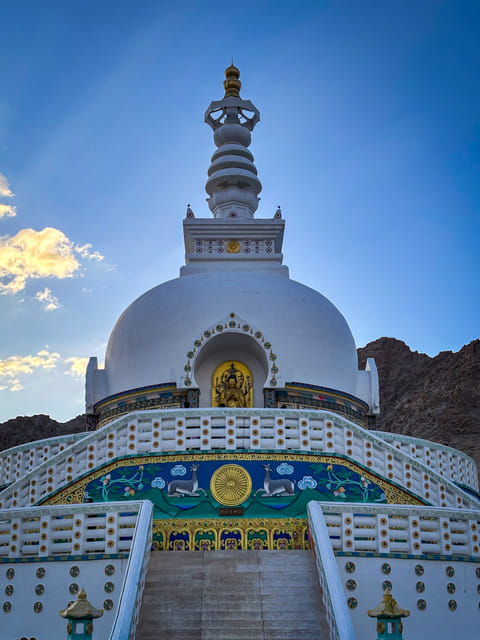
The air that made me slow down Author
Upon landing early morning, I could immediately feel the thin air — like the mountains were reminding me to breathe slower. Dad told me we had to “acclimatise,” which basically meant drink lots of water, rest, and not jump around too much (which was tough because I was so excited).
However, we decided to go walking around the Leh Market. Everything felt so colourful — prayer flags, woollen caps, copper pots, even the walls had murals of dragons and monks. People smiled easily, and every time someone said “Julley,” it sounded like a hug.
Advertisement
At sunset, we drove up to Shanti Stupa. Standing on top, I could see the whole valley—golden mountains, tiny houses, and a river curling through the land like a silver ribbon. The cold wind brushed my cheeks, and I thought, This is what peace must look like.
Day 2: The Drive to the Sky — Khardung La & Nubra Valley
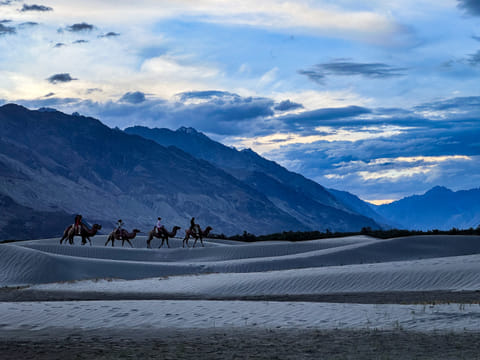
The drive to the sky — Khardung La & Nubra Valley Author
The next morning, we began our journey to Nubra Valley via Khardung La, one of the world's highest motorable passes. I had read that it was 17,982 feet high—almost like touching the sky!
As we ascended, the road twisted like a snake. Snowflakes danced around our car, and the mountains turned from brown to white. Dad played old Bollywood songs from his college days, and we sang along (mostly off-key).
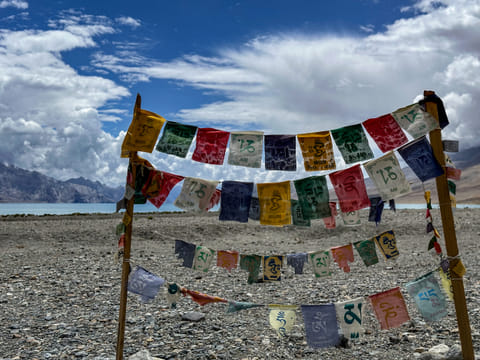
When we finally reached the top, I stepped out. There were prayer flags everywhere, fluttering wildly, as if celebrating our arrival. I stretched my arms and shouted, “We did it!”
Advertisement
Descending into Nubra felt like magic. Suddenly, the snow disappeared, and sand dunes appeared out of nowhere! I couldn’t believe we were seeing a desert in the mountains. We met the famous camels — soft, gentle creatures that looked ancient and wise. One sniffed my hair, and I giggled for five minutes straight.
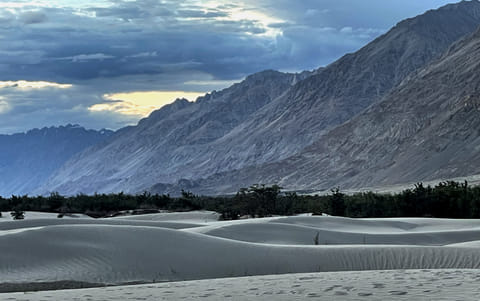
Views along Khardung La & Nubra Valley Author
That night, under a sky full of stars, I sat by the bonfire at our camp. The stars were so close it felt like I could pluck one out. Dad said, “Remember this, Keyaa. Some nights teach you more than a hundred books.”
Day 3: The Lake That Changed Colours
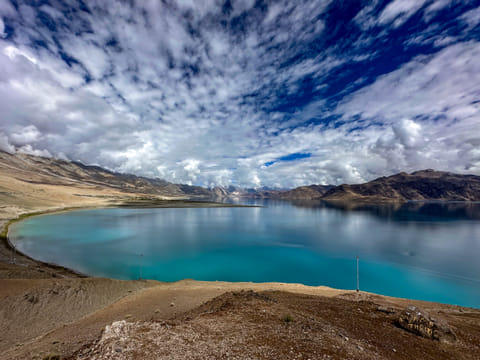
The lake that changed colours Author
If I had to pick my favourite day, this was it. We left early for Pangong Tso, the Instagram-famous blue lake that everyone posts about. But nothing — and I mean nothing — compares to seeing it in real life.
The journey there was an adventure — snow-clad passes, frozen waterfalls, and tiny teahouses serving Maggi and butter tea. When we finally reached the lake, it looked unreal — turquoise in some parts, deep navy in others, like someone had spilt different shades of blue paint across the earth.
Advertisement
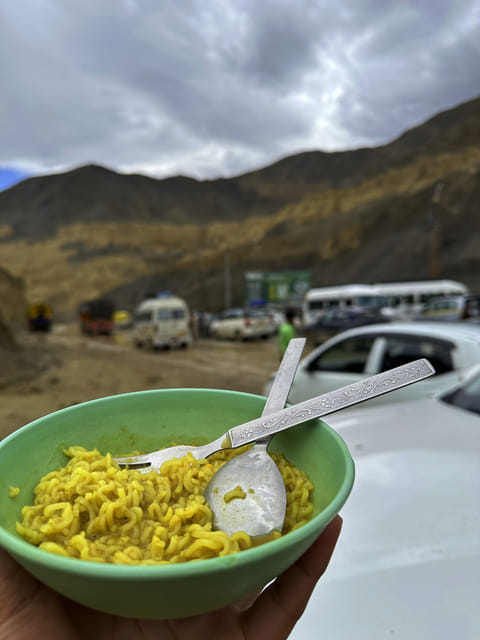
A little grub along the way Author
The wind was so cold it made my eyes water, but I didn’t care. I kept skipping stones and watching the ripples dance across the surface. “Why does it change colours?” I asked Dad. He smiled and said, “Because it’s alive.”
That evening, as the light faded, the lake turned almost black, reflecting the mountains like a mirror. It felt like time had stopped. I didn’t want to leave. That’s when I realised — the most beautiful places don’t shout for attention; they whisper.
Day 4: The Monks, the Magic, and the Mystery
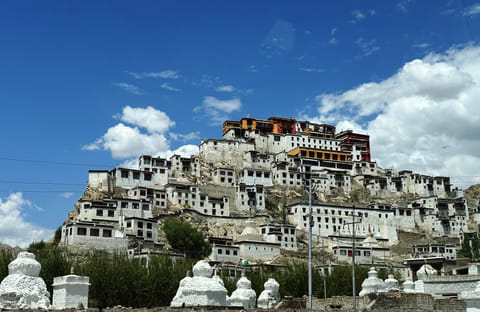
A shot of the Thiksey Monastery Author
After all that adventure, our next day was calm and spiritual. We woke up before sunrise and drove to Thiksey Monastery. It stood tall against the orange sky, and I could hear chants echoing through the valley.
Inside, young monks in red robes sat cross-legged, chanting mantras in deep voices. The smell of butter lamps filled the air. I sat quietly, feeling the vibration of the chants travel through the floor into my chest.
Advertisement
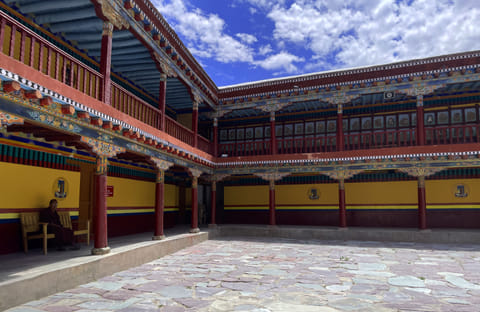
At Hemis Monastery Author
Later, we visited Hemis Monastery, the largest in Ladakh. I lit a lamp for my grandparents, who always told me stories about faith and kindness. Despite not understanding all the prayers, I felt something powerful. I realised peace isn’t something you search for, it finds you when you sit still.
Before heading back, we stopped at Magnetic Hill, where cars seem to roll uphill on their own. Dad said it’s an optical illusion, but I preferred to believe it’s mountain magic.
Day 5: A Goodbye That Didn’t Feel Like One
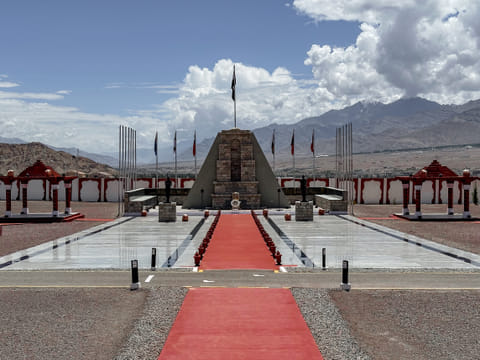
Hall of Fame, a museum built by the Indian Army Author
On our last morning, we visited the Hall of Fame, a museum built by the Indian Army. It had letters from soldiers, photos, and stories of bravery. One letter from a soldier to his mother made me cry quietly. Dad put his hand on my shoulder and said, “Courage isn’t just about fighting wars; it’s about living with purpose.”
As we boarded our flight home, I looked out the window one last time. The mountains stretched endlessly below, wrapped in silence and sunlight. I opened my travel journal and wrote:
Advertisement
“Ladakh is not a destination. It’s a heartbeat — steady, strong, and unforgettable.”
This trip wasn’t just another chapter in Diary With Dad. It was the story of how an NRI girl found a piece of India she didn’t even know she was missing.
“Ladakh didn’t change me. It reminded me of who I already was — part sky, part story, all heart.”
Information: Plan Your Trip To Ladakh
Views along the trip Author
Getting There: Leh is connected by air to major Indian cities like Delhi, Mumbai, and Srinagar. Daily flights operate year-round, but the best window is from May to September when the weather is pleasant and passes are open. For road-trip lovers, the Manali–Leh Highway (473 km) and Srinagar–Leh Highway (420 km) offer breathtaking drives through the Himalayas.
Best Time to Visit: May–September (10°C–25°C). For snow-draped peaks and quiet roads, travel in early May or late September.
Top Experiences:
● Leh Town: Shanti Stupa, Leh Palace, Main Bazaar
Advertisement
● Nubra Valley: Khardung La, Hunder Sand Dunes
● Pangong Tso: Changing hues of blue across the high-altitude lake
● Thiksey & Hemis Monasteries: Dawn chants and spiritual calm
● Tso Moriri: A tranquil, lesser-known lake
● Magnetic Hill & Hall of Fame: Easy half-day trips from Leh
Permits: Inner Line Permits are required for Indian citizens visiting Nubra, Pangong, and Tso Moriri. Available online or via local agents in Leh.
Travel Tips: Acclimatize for a day before venturing higher. Stay hydrated, pack warm layers, sunscreen, and a power bank. BSNL postpaid works best for mobile connectivity.
Stay: Eco-lodges and boutique homestays offer warm Ladakhi hospitality. Budget INR 3,000 – INR 8,000 per night.
(Keyaa is the 13-year-old storyteller behind “Diary With Dad” — a travel series that captures India through the eyes of an NRI kid. Each journey brings her closer to her roots, one story at a time.)
Advertisement
FAQs
1. What is the best time to visit Ladakh?
The best time to visit Ladakh is from May to September when the weather is pleasant, roads are open, and high-altitude passes like Khardung La are accessible. Early May and late September offer fewer crowds and clearer views.
2. Is Ladakh safe for children and families?
Yes, Ladakh is safe for families as long as you follow acclimatisation rules, hydrate well, and avoid strenuous activity on the first day. Many eco-stays and camps are family-friendly, especially in Leh, Nubra, and Pangong.
3. Do I need a permit to visit Nubra Valley or Pangong Lake?
Indian citizens require an Inner Line Permit (ILP) to visit Nubra Valley, Pangong Tso, and Tso Moriri. These can be obtained online or through local agents in Leh.
4. How many days are ideal for a Ladakh trip?
A comfortable Ladakh trip takes 5–7 days, including one full day for acclimatisation, day trips in Leh, an overnight stay in Nubra, and a visit to Pangong Lake.
Advertisement
5. What should I pack for Ladakh?
Pack warm layers, sunscreen, sunglasses, a reusable water bottle, moisturiser, lip balm, a power bank, comfortable shoes, and essential medicines for high-altitude travel. Mobile connectivity is best with BSNL postpaid.
6. Is Pangong Tso really blue and why does it change colours?
Yes — Pangong Tso is famous for its shifting colours, changing from turquoise to navy to almost black depending on sunlight, clouds, and mineral content in the water.
7. How do you reach Ladakh?
Leh is connected to major Indian cities by daily flights. Road travellers can take the Manali–Leh Highway or Srinagar–Leh Highway, both offering spectacular Himalayan landscapes.

Published At: