India’s Holi celebrations are among the most colourful festivals in the world, turning streets, temples, and towns into vibrant spectacles of joy. From the riotous celebrations of Pushkar and the playful stick duels of Barsana, to the flower showers of Vrindavan, the artistic yellow hues of Shantiniketan, and the pageantry of Hola Mohalla in Anandpur Sahib, each place offers its own kaleidoscope of colour. Here is a look at some of the most colourful ones. All these places become extremely crowded during this period, so booking accommodation and transport in advance is essential to fully experience the unforgettable, kaleidoscopic celebrations.
From Powder To Petals: 5 Most Colourful Holi Festivals You Must See In India
From Pushkar’s powder-filled streets and Barsana’s playful stick battles to Vrindavan’s flower showers, Shantiniketan’s artistic spring and Anandpur Sahib’s vibrant pageantry, each celebration bursts with joy, tradition, and colour

Advertisement
Best Holi Festivals in India: Top 5 Colourful Places
Mathura And Vrindavan, Uttar Pradesh
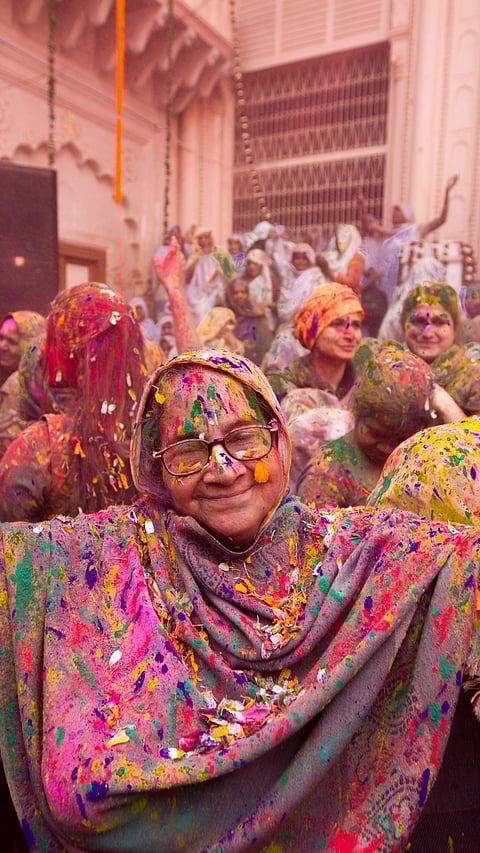
Phoolon Wali Holi is held mainly at the Banke Bihari Temple in Vrindavan Shutterstock
Here, instead of throwing coloured powders, priests shower thousands of fresh flower petals, roses, lotus and marigolds, on devotees gathered in the temple courtyard. The fragrance of flowers and the sound of devotional singing create a gentle, uplifting rhythm that stands in contrast to the riotous street Holi that follows. This celebration reflects the deep spiritual roots of Holi in Braj, the land of Krishna and Radha, where each ritual is both a joyous welcome to spring and a tribute to divine love.
Shantiniketan, West Bengal
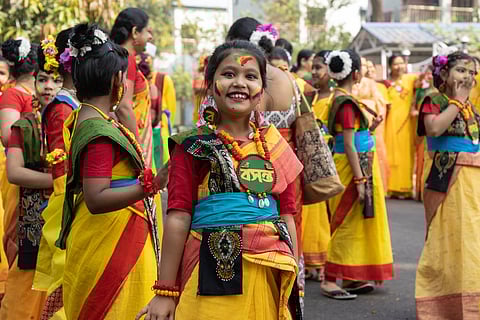
The UNESCO World Heritage Site of Shantiniketan comes alive for the unique Basanta Utsav Shutterstock
It is a queiter celebration in Shantiniketan, in West Bengal’s Birbhum district. The UNESCO World Heritage Site comes alive for the unique Basanta Utsav. This spring festival, shaped by Rabindranath Tagore, is a refined and artistic welcome to the season. Students and residents dress in traditional yellow, sing Rabindra Sangeet, dance, and apply organic abir colours. The festival transforms the historic university town into a stage, where art and tradition meet. Visitors can witness community gatherings, performances, and the joy of spring expressed through music, dance, and vibrant colours.
Advertisement
Anandpur Sahib, Punjab
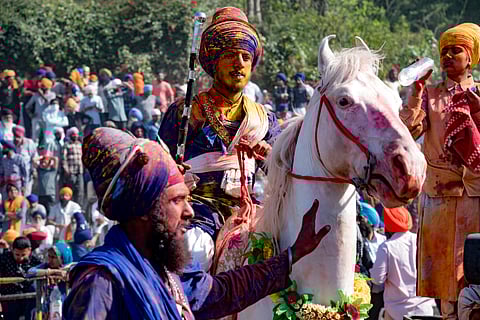
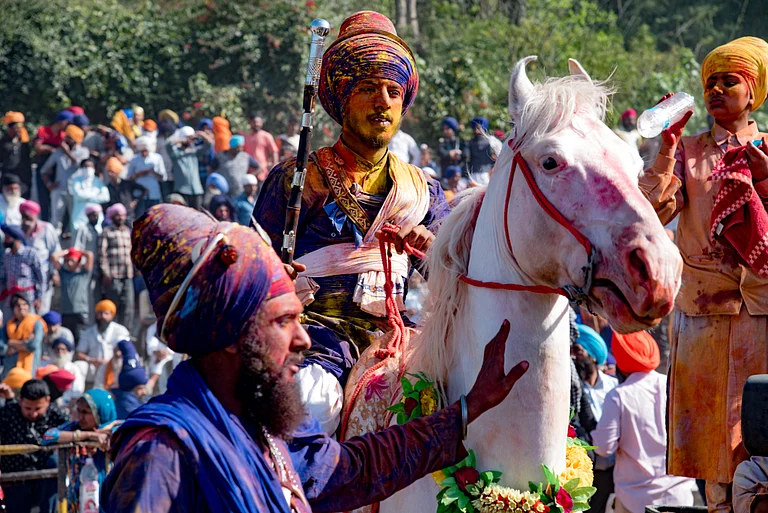
A Nihang Sikh during Hola Mohalla in Punjab Verma Chetan/Shutterstock
Anandpur Sahib in Punjab bursts into colour for Hola Mohalla, a three-day festival that begins the day after Holi. The town is filled with vibrant sights as Nihang Sikhs parade in bright turbans and flowing robes, their displays of gatka martial arts and horse riding adding movement and drama. Processions wind through the streets, accompanied by devotional music, the beats of drums, and the scent of festive foods. Free community meals bring locals and visitors together, adding warmth to the colourful spectacle. The festival is more than a visual feast. It celebrates courage, unity, and the Sikh way of life, making every moment—from the spinning spears to the music and pageantry—a striking, living portrait of tradition in full colour.
Barsana And Nandgaon, Uttar Pradesh
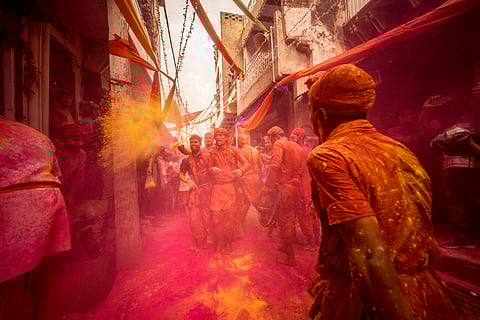
Barsana is famous for its Lathmar Holi festival Shutterstock
Head to Barsana and Nandgaon to witness the famous Lathmar Holi, where women playfully strike men with sticks while men shield themselves. The celebrations reimagine the legend of Radha and Krishna. The main events take place at the Radha Rani Temple. This is followed the next day with festivities in nearby Nandgaon. The hours between 10:30 am and 2 pm are the liveliest, with folk songs, traditional music, and showers of colourful abir powder adding to the drama.
Advertisement
Pushkar, Rajasthan
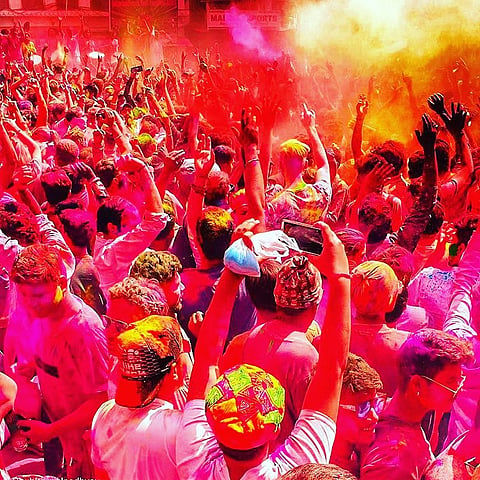
Pushkar streets come alive with a carnival-like atmosphere pushkarholifestival/Instagram
Pushkar hosts an energetic Holi celebration over three days. The streets around the Brahma Temple and main market come alive with a carnival-like atmosphere that draws both Indian and international visitors. The vibe blends traditional customs with contemporary party energy. The highlight is the day-long "Kapdaa Faad Holi," a massive street party which is held from morning to late afternoon. Revellers enjoy live DJs, EDM, rain dances, and generous amounts of gulal.
FAQs
When is Holi celebrated?
Holi usually falls in March, on the full moon day of the Hindu month of Phalguna. The main day is preceded by Holika Dahan, a ritual bonfire.
Which Indian cities are best for colourful Holi celebrations?
Pushkar (Rajasthan), Barsana and Vrindavan (Uttar Pradesh), Shantiniketan (West Bengal), and Anandpur Sahib (Punjab) are among the most vibrant destinations.
What should I wear?
Wear old or light-coloured clothes, as they will get covered in powders and water. Comfortable shoes are recommended for street celebrations.
Advertisement
Are Holi colours safe?
Use natural or organic colours when possible, and protect eyes and skin with sunscreen or oil.
Can tourists participate?
Yes, Holi is welcoming to visitors, but be prepared for crowds and lively street festivities.
How does one prepare for visiting places for Holi celebrations?
Book accommodation and transport early, wear old clothes, and use skin- and hair-safe colours. Be ready for huge crowds.
Published At: