There was a time long, long ago when legendary trains like Kalka Mail, Punjab Mail, Frontier Mail, Howrah Express, and Toofan Mail crisscrossed the subcontinent, ferrying passengers and freight from piers and docks to the hinterland and border outposts.
A Farewell To Flavours: The Forgotten Foods Of Indian Railways
From cutlets and railway mutton curry in dining cars to the unremarkable fare available today, the journey of food on the Indian Railway is fascinating

Advertisement
My earliest memories of train meals revive the nostalgia of overnight journeys from Lucknow to Kathgodam in the early 1950s. Seekh kebab and roomali roti were brought by a favourite nephew from Sadar (a town and a tehsil in Uttar Pradesh's Pratapgarh district) just before the Nainital Express steamed out of Charbagh Station. As the train picked up speed, we settled down to enjoy our nawabi repast. Mother, a vegetarian, carried a small tiffin containing puri, dry aloo sabzi and something sweet for all of us. The train stopped at Bhojipura (Bareilly district) just after daybreak for a second steam engine to be attached at the rear end to help it negotiate the steep incline ahead. The ever-reliable Udai Ram could be easily spotted in his red and gold livery and smart turban, deftly balancing in one hand the tray carrying the hot breakfast father had preordered—buttered toast, eggs and a pot of well-brewed tea.
Advertisement
The joys of elegant "meals on wheels" on long-distance trains, prepared in the pantry and served in the dining car, was short-lived. Before the advent of vestibular trains, one got off at a long refuelling stop, walked leisurely to the dining car and waited for another long stop to return to one's compartment. This facility was available only to higher class passengers who could also tickle their taste buds at the railway canteens. These were places where railway cuisine developed, with iconic delicacies like railway mutton curry and cutlets. Most of the travellers quelled their hunger pangs with what the vendors peddled on platforms. There was no dearth of hot, deep-fried puri and aloo ki rasedar sabzi, sizzling samosa, and pakora to be gulped down with "chai garam chai" in kulhad (clay cups). Those who were fettered by caste prejudice carried their own food and water in tiffins and small cardboard boxes. This fare was supplemented with diverse kosher edibles available en route, including Sandile ke laddoo, Hapur ke papad, Agra ka petha, Mathura ka peda, Nagpur ke santare, and Bhusawal ke kele.
Advertisement
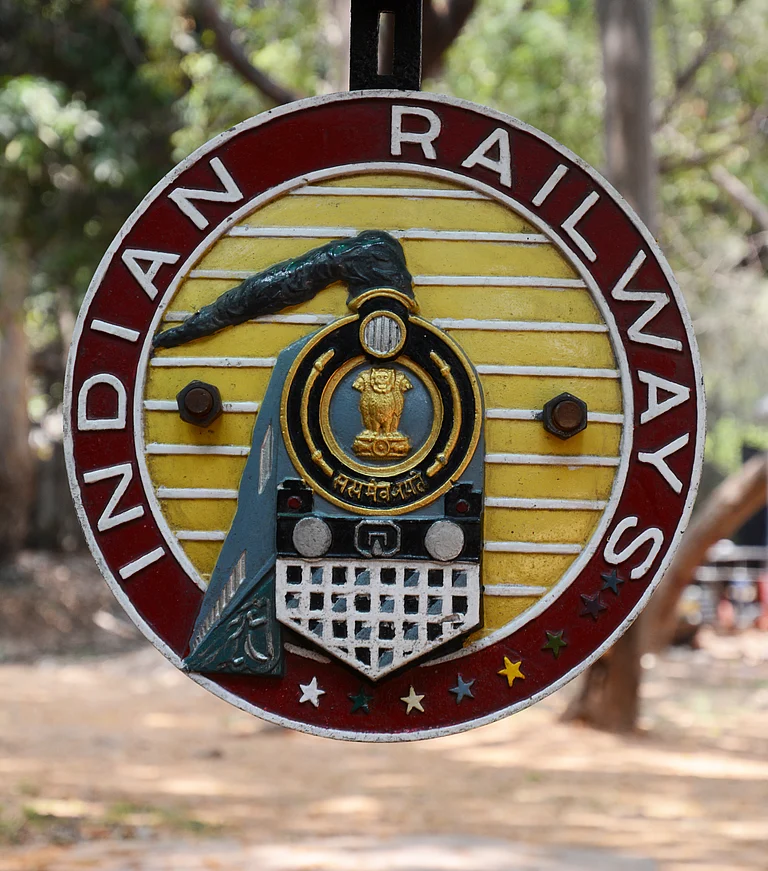
However, by the late 1960s, things had improved. Passengers could now pre-order simple thali meals, which were served right in their compartments. The flavours of the dishes would change as the train crossed different state borders. Then came the Rajdhani trains, where the fare included a high-quality meal featuring dishes like curried chicken or paneer with paratha, rice, and a sweet dish. Soon after, the Shatabdi trains took the spotlight from the Rajdhani but maintained the practice of including tea, breakfast, lunch, or dinner in the fare. For most passengers, the food service became an enjoyable "time pass experience."
Unfortunately, outsourcing and homogenisation have drained the romance of train travel in recent years. The service has become impersonal, and the food utterly predictable. Trying to cater to an imagined pan-Indian taste has brought everything down to the lowest common denominator in each category. In short, to borrow the title of a Ruskin Bond story, the train doesn't stop at Deoli anymore, and nobody orders the railway mutton curry!
Advertisement
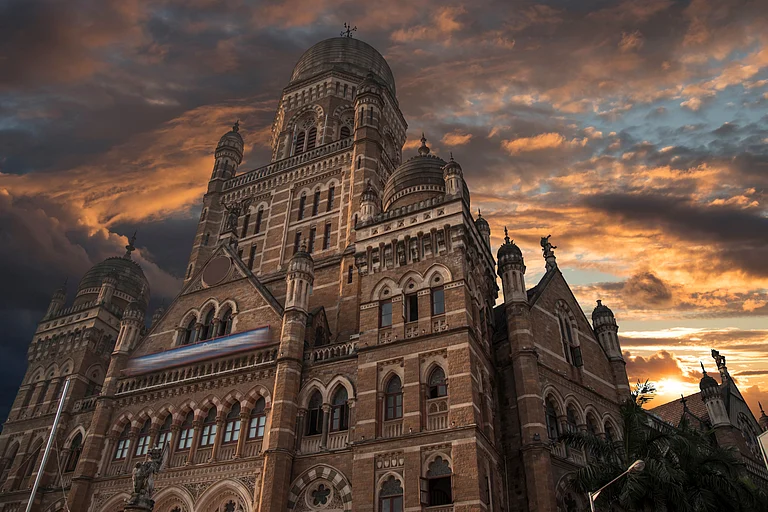
It's quite remarkable how we've almost forgotten that once upon a time, the Indian Railways operated almost like a state within a state, complete with colonies, hospitals, schools, and workshops. Before independence, a significant Anglo-Indian population played a crucial role in keeping the wheels of the entity turning. Railway employees, often on transferable jobs, absorbed flavours and cooking techniques from other railway families. This evolving culinary tradition has enriched menus in clubs, hostel messes, and canteens.
Privatisation and the democratisation that emerged after 1977 have wreaked havoc on both food and train services. Perhaps it's unfair to solely blame circumstances for the decline of the classic railway repast. The transition from steam to diesel and electricity, and track improvements drastically shortened travel times. With less and less time for tranquil travel, there's also diminished opportunity to soak in the scenery and savour lovingly prepared, delicious morsels.
Advertisement
Pushpesh Pant is an Indian academic, food critic and historian
Published At:
Tags