Holi, the festival of colours, is just around the corner. This year, it will be celebrated mid-week on Wednesday, March 4, with Holika Dahan on March 3, a calendar quirk that opens up the possibility of a four- to five-day escape. So, instead of staying put for colour-splashed brunches and DJ parties, this is the year to trade gulal for grasslands.
Holi 2026: 5 Safari Trips To Take From Delhi, Mumbai And Bengaluru
March is prime safari season in India. From Corbett to Kabini, here are five wildlife escapes ideal for travellers from Delhi, Mumbai and Bengaluru this Holi 2026

Advertisement
March is one of the best months for a safari in India: the weather is pleasant, the landscape becomes less dense, and wildlife sightings improve before the peak summer heat sets in. For those who are sold on the idea and live in cities like Delhi, Mumbai, and Bengaluru, here are 5 Nearest Safari Trips you can explore.
Safari Trips You Can Take From Delhi, Mumbai And Bengaluru
Jim Corbett National Park, Uttarakhand
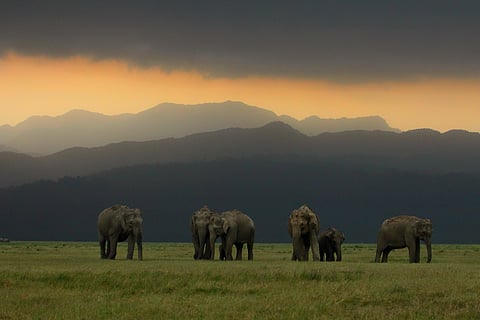
Elephant Herd at Jim Corbett National Park Shutterstock
Just a five to six-hour drive from Delhi, Corbett remains North India’s most accessible tiger reserve, and one of its most rewarding. Spread across riverine belts, sal forests and grasslands along the Ramganga River, it offers diverse terrain and strong tiger presence, especially in the Dhikala and Bijrani zones.
For Holi 2026, several resorts in the buffer areas typically curate festive packages spanning March 3–5. Expect Holika Dahan evenings, organic gulal celebrations, rain dances and relaxed DJ nights, controlled enough to keep the wilderness vibe intact. It’s a balanced way to acknowledge the festival without turning your safari into a rave.
Advertisement
How To Get There
By Road: 5–6 hrs drive from Delhi via Hapur–Moradabad–Kashipur to Ramnagar
By Train: The Ranikhet Express runs overnight from Delhi to Ramnagar, arriving early morning, while the Uttarakhand Sampark Kranti is a convenient return option.
By Air: The nearest airport is Pantnagar (PGH), about 80 km (2 hours) from the park.
Safari Details
Timings: 6:30–10 AM | 1:30–5 PM
Jeep: INR 7,200-INR 8,000 per jeep (max 6 adults)
Canter (Dhikala): INR 2,300-INR 2,500 per person
Note: Advance online booking required (permits open 45 days prior)
Ranthambore National Park, Rajasthan
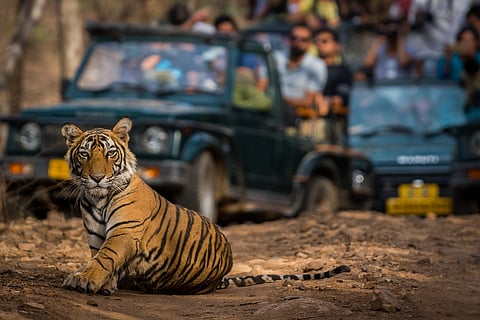
A tiger cub at Ranthambore National Park in Rajasthan Sourabh Bharti/Shutterstock.com
Few parks match Ranthambore’s dramatic setting, where tigers move against the backdrop of ancient ruins and lakes. Located near Sawai Madhopur, roughly six hours from Delhi by road or train, it’s ideal for a short, thrilling wildlife break.
The park’s 10 safari zones operate morning (around 6:30 AM) and afternoon (around 2:30 PM) drives. Zones 1–5 are traditionally considered high-probability tiger areas, though sightings are never guaranteed. What’s consistent is the spectacle: fort walls, banyan trees and sunlit lakes where crocodiles bask.
How To Get There
By Train: The AK Tejas Raj Express is the fastest option from Hazrat Nizamuddin to Sawai Madhopur (3.5 hours), while the Janshatabdi Express and Mewar Express offer convenient day and evening alternatives.
Advertisement
By Road: The fastest drive is via the Delhi–Mumbai Expressway, about 5–6 hours, while the NH 48 route via Gurugram, Neemrana and Jaipur takes closer to 8 hours.
By Air: Fly to Jaipur International Airport (JAI), then take a taxi or train for the remaining 150 km.
Safari Details
Timings: 6:30–10 AM | 2:30–6 PM
Jeep (6-seater): INR 1,700-INR 2,050 per person (Zones 1–5 high demand)
Canter: INR 1,200-INR 1,600 per person (Zones 6–10)
Note: Permits bookable up to 90 days in advance via Rajasthan’s official SSO portal.
Tadoba-Andhari Tiger Reserve, Maharashtra
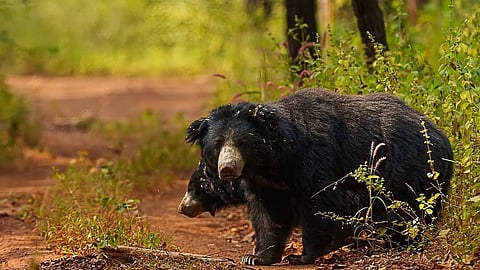
At Tadoba–Andhari Tiger Reserve dpmahesh_dp/instagram
Often described as a “tiger factory,” Tadoba in Maharashtra’s Chandrapur district has built a reputation for consistent big cat sightings. With over 90 tigers across its core and buffer zones, it’s one of India’s most productive reserves.
By March, waterholes become key activity points, and early morning safaris can be particularly rewarding. Besides tigers, the reserve is known for leopards, sloth bears, wild dogs and prolific birdlife. Unlike some northern parks, Tadoba’s terrain is relatively open, which improves visibility during sightings.
Advertisement
How To Get There
By Air: Fly from Mumbai (BOM) to Nagpur (NAG). The flight takes 1.5 hours, followed by a 3-hour taxi ride to the reserve.
By Train: Take a train like the Vidarbha Express or Duronto to Chandrapur (CDP) or Nagpur. Chandrapur is the closest station, located just 35–45 km from the popular Moharli Gate.
By Road: A self-drive or private cab takes approximately 10–16 hours via the scenic countryside.
Safari Details
Timings: 6:00–10:00 AM | 2:30–6:30 PM
Jeep Price for Core Zones: INR 5,800-INR 6,800 (weekday/weekend, 1–59 days window)
Jeep Price for Buffer Zones: INR 6,000-INR 7,000
Canter: INR 1,000 per person
Note: Permits must be booked via the official MyTadoba portal. Limited last-minute (Tatkal) permits are available at higher rates
Bandipur National Park, Karnataka
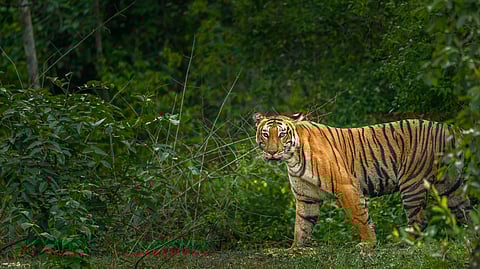
Bandipur National Park wildtales/Shutterstock
A scenic five-hour drive from Bengaluru, Bandipur forms part of the Nilgiri Biosphere Reserve, sharing forest corridors with neighbouring reserves. It’s particularly famous for its high density of Asiatic elephants and frequent leopard sightings.
The forest here feels expansive, with dry deciduous woodland opening into meadows where herds gather at dusk. March is a comfortable time to visit before temperatures spike in April and May. Bandipur also works well for travellers who want to mix wildlife with culture. A detour to Mysuru allows for a visit to the grand Mysore Palace, adding architectural flair to a nature-heavy itinerary.
Advertisement
How To Get There
By Road: 4.5–5 hrs via Bengaluru–Mysuru Expressway, then Nanjangud, Gundlupet to Bandipur. (Forest road closed 9 PM–6 AM.)
By Bus: KSRTC operates several "Airavat" (AC) and non-AC buses from Satellite Bus Stand (MYS Road) towards Ooty that stop at the Bandipur Forest Office.
By Train: Wodeyar Express to Mysuru, followed by a 1.5–2 hr taxi ride (80 km) to the park.
Safari Details
Timings: 6:30–9:00 AM | 3:30–6:00 PM
Bus Safari: INR 600–INR800 per person
Jeep Safari: INR 4,500–INR 6,000 per jeep
Note: Jeep safaris should be booked in advance via the official Bandipur Tiger Reserve portal.
Nagarhole National Park/Kabini, Karnataka
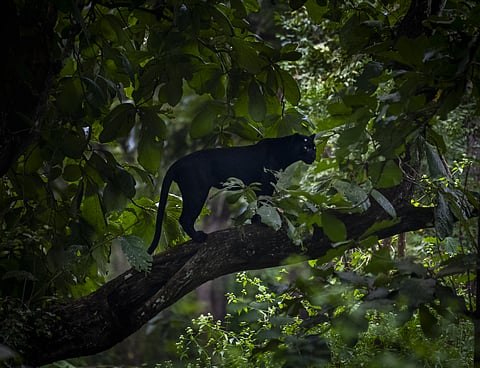
Kabini Forest Reserve (Nagarhole Tiger Reserve) Dhruv Patil
Nagarhole National Park, especially the Kabini region, is renowned for its river safaris and high concentration of carnivores. Boat safaris along the Kabini River set this park apart. You may spot elephants lining the banks, gaurs grazing in open patches and, occasionally, a tiger emerging for a drink. The elusive black panther sightings in recent years have only heightened its mystique.
In addition, jeep safaris delve deeper into forest trails, and March offers favourable conditions for both land and river excursions.
Advertisement
How To Get There
By Road: Around 5 hours from Bengaluru via Mysuru and Hunsur to Kabini.
By Bus: Take a KSRTC bus to Mysuru, then board a local bus towards HD Kote or Antharasanthe. From there, a short auto or taxi ride will take you to the resort area.
By Train: The nearest major railhead is Mysuru (MYS). From the station, it is a 2-hour taxi ride (approx. 80 km) to the Kabini backwaters.
Safari Details
Timings: 6:30–9:30 AM | 3:30–6:30 PM
Boat Safari: INR 2,500–INR 3,500 (Indians)
Forest Dept Jeep: INR 2,000–INR 3,000
JLR Jeep: Included for Jungle Lodges guests
Note: For black panther sightings, jeep safaris in Zone B are traditionally considered the most promising.
Bhitarkanika National Park, Odisha
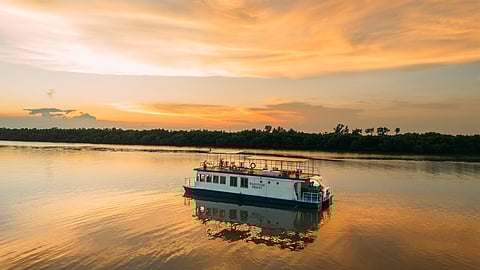
Antara Cruises operates exclusive catamaran sailings through the park’s river network
If you’re looking to celebrate Holi away from the crowds, Bhitarkanika National Park offers a rare wilderness escape through Odisha’s vast mangrove forests, often called India’s “Amazon.” Antara Cruises operates exclusive catamaran sailings through the park’s river network, where travellers can explore serene waterways while spotting saltwater crocodiles, kingfishers, herons and other wetland wildlife.
Advertisement
The two-night sailing blends slow travel with immersive nature experiences. Guests can venture into narrow creeks on small-boat safaris, walk along mangrove boardwalks leading to Habalikathi Beach and watch the forest come alive with birdlife. Evenings unfold on deck with quiet river views and starlit dinners, making it an unusual way to experience Holi in the wild.
How To Get There
By Air: The nearest airport is Bhubaneswar (BBI), about 160 km away.
By Train: Bhadrak Railway Station is the closest railhead, around 70 km from Bhitarkanika.
By Road: Bhitarkanika can be reached by road from Bhubaneswar or Cuttack via Chandbali or Khola entry points.
Safari Details
Cruise Duration: 2 Nights / 3 Days
Price: Approx. INR 1,00,000 + taxes for four guests (full charter) | INR 70,000 + taxes for two guests
Experience Includes: Catamaran stay, guided mangrove safaris, creek explorations and meals onboard.
FAQs
1. Is March a good time for a safari in India?
Advertisement
Yes. March offers pleasant weather and improved wildlife sightings as vegetation thins and animals gather near water sources before peak summer.
2. Which safari is closest to Delhi for a Holi trip?
Jim Corbett National Park and Ranthambore National Park are among the most accessible options from Delhi.
3. Where can Mumbai travellers go for a tiger safari?
Tadoba-Andhari Tiger Reserve is one of the best options from Mumbai, known for high tiger density and open terrain.
4. Which is the best safari from Bengaluru during Holi?
Bandipur National Park and Nagarhole National Park are both within driving distance and offer strong wildlife sightings.
5. Where can you spot a black panther in India?
The Kabini region of Nagarhole National Park has become famous for rare melanistic leopard sightings.
Published At: