India’s size is part of what makes a road trip here so rewarding. The Golden Quadrilateral covers nearly 5,850 kilometres, linking Delhi, Kolkata, Chennai and Mumbai. Along the way, you’ll pass Mughal monuments, temple towns, beaches, forests and historic cities. The full circuit can be covered in two to three weeks, but taking it at a slower pace means you can enjoy the journey as much as the destinations. Stop for local food, explore the towns along the way and leave room for a few detours. From Varanasi’s ghats and Visakhapatnam’s beaches to Udaipur’s lakes and Rajasthan’s forts, these seven stops and stretches show just how much India has to offer on the road.
Golden Quadrilateral: 7 Must-See Stops On This Epic Road Trip
Planning a Golden Quadrilateral road trip? Here are seven stops worth adding, from Varanasi and Vizag to Udaipur and Rajasthan

Advertisement
Delhi To Kolkata
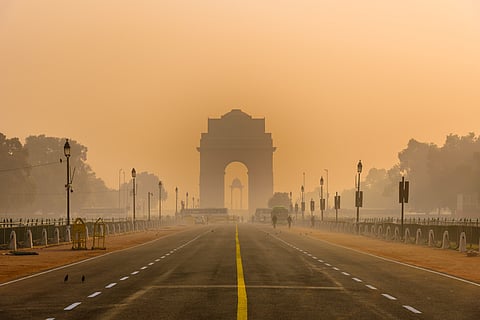
India Gate, a landmark steeped in Delhi’s history Shutterstock
The Delhi to Kolkata stretch covers around 1,450 kilometres and takes you through some of North and East India’s best-known destinations. Stop in Mathura to explore its temples and try the local food, then continue to Agra for the Taj Mahal. Further along, Fatehpur Sikri offers a glimpse into Mughal history, while Prayagraj is known for the meeting point of the Ganga and Yamuna. Varanasi is another worthwhile stop, with its ancient ghats, temples and evening Ganga Aarti. The journey ends in Kolkata, where colonial buildings, museums, lively neighbourhoods and Bengali food make it worth staying a few days.
Where To Stop: Varanasi
The Delhi to Kolkata stretch covers around 1,450 kilometres and takes you through some of North and East India’s best-known destinations. Stop in Mathura to explore its temples and try the local food, then continue to Agra for the Taj Mahal. Further along, Fatehpur Sikri offers a glimpse into Mughal history, while Prayagraj is known for the meeting point of the Ganga and Yamuna. Varanasi is another worthwhile stop, with its ancient ghats, temples and evening Ganga Aarti. The journey ends in Kolkata, where colonial buildings, museums, lively neighbourhoods and Bengali food make it worth staying a few days.
Advertisement
Kolkata To Chennai
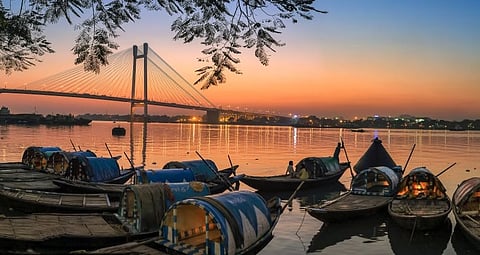
Sunset over Hooghly River in Kolkata Shutterstock
The Kolkata to Chennai stretch covers around 1,660 kilometres, passing through West Bengal, Odisha, Andhra Pradesh and Tamil Nadu. It is a long drive, but there are plenty of good stops along the way. Bhubaneswar is known for its ancient temples, while Visakhapatnam brings beaches, hills and seafood. In Rajahmundry, take in views of the Godavari River before continuing south through Andhra Pradesh. Once you reach Chennai, explore Marina Beach, Fort St George and Mylapore. You can also take a detour to Mahabalipuram, home to a UNESCO-listed group of 7th- and 8th-century monuments, including the famous Shore Temple and rock-cut temples.
Where To Stop: Visakhapatnam
Visakhapatnam, or Vizag, makes a rewarding stop on the Kolkata–Chennai route. Set between the coast and the hills, the city offers a mix of beaches, viewpoints and naval history. Start at RK Beach, then head to Kailasagiri for sweeping views of the city and the Bay of Bengal. At the INS Kurusura Submarine Museum, step inside a former Indian Navy submarine and learn about life at sea. Nearby, Thotlakonda offers a glimpse into the region’s Buddhist heritage. If you have an extra day, take a trip to Araku Valley for its coffee plantations and green hills, or explore the Borra Caves in the Eastern Ghats.
Advertisement
Chennai To Mumbai

Kovalam Beach, a popular coastal escape near Chennai Shutterstock
The 1,290-kilometre drive from Chennai to Mumbai crosses Tamil Nadu, Karnataka and Maharashtra, with plenty of worthwhile stops along the way. Begin in Kanchipuram, known for its temples and silk, before heading to Bengaluru for food and city life. Further on, Chitradurga is home to an impressive historic fort, while Hubballi makes a useful stop before entering Maharashtra. Near Satara, take a detour to the Kaas Plateau, a UNESCO-listed site known for its seasonal wildflowers, best seen between August and October.
Where To Stop: Hubballi
Hubballi is a useful stop on the Chennai–Mumbai drive and a chance to see a less-visited side of Karnataka. The city is known for its markets, temples and strong commercial heritage. Visit the 11th-century Chandramouleshwara Temple, a fine example of Chalukyan architecture, before heading to Unkal Lake for a break by the water. Nrupatunga Betta is another good stop, offering views across the city. You can also visit Siddharoodha Math, an important spiritual centre. If you are breaking up the long drive, Hubballi gives you enough to see without adding too much time to your journey.
Advertisement
Mumbai To Delhi
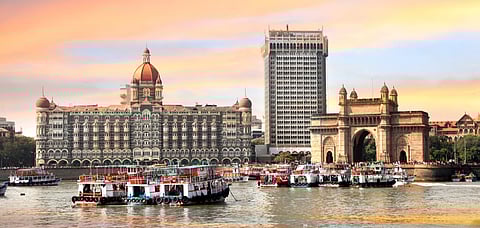
The Gateway of India overlooking Mumbai’s waterfront Shutterstock
The final stretch of the Golden Quadrilateral takes you from Mumbai to Delhi, covering roughly 1,400–1,500 kilometres through Gujarat and Rajasthan. Along the way, stop in Vadodara for Laxmi Vilas Palace and Ahmedabad for Sabarmati Ashram before heading into Rajasthan. Udaipur makes a rewarding overnight stop, with Lake Pichola and the City Palace among its highlights. Further north, explore the vast Chittorgarh Fort before continuing to Ajmer and Jaipur. In Jaipur, set aside time for Amer Fort and the city’s colourful markets. The journey ends in Delhi, where historic monuments, busy bazaars and an excellent food scene make a fitting finish to the road trip.
To Sum It Up
The Golden Quadrilateral is more than a route connecting four major cities. It is a chance to see how dramatically India changes from one stretch of road to the next. Give yourself time to stop for a temple, a fort, a local meal or simply a town you had not planned to visit. With nearly 5,850 kilometres to cover, there is plenty of road ahead and even more to discover along it. Pack light, plan your main stops and leave some room for the unexpected, that is where this road trip really comes alive.
Advertisement
FAQS
1. What is the Golden Quadrilateral?
The Golden Quadrilateral is a major highway network connecting Delhi, Mumbai, Chennai and Kolkata.
2. How long is the Golden Quadrilateral?
The full Golden Quadrilateral covers nearly 5,850 kilometres.
3. How many days are needed for a Golden Quadrilateral road trip?
You can cover the circuit in around two to three weeks, but allowing more time gives you a better chance to explore along the way.
4. Which cities are connected by the Golden Quadrilateral?
The route connects Delhi, Mumbai, Chennai and Kolkata, passing through several major cities and towns.
5. What are the best stops on the Golden Quadrilateral?
Popular stops include Agra, Varanasi, Visakhapatnam, Udaipur, Jaipur and Bhubaneswar, among others.

Published At: