As the hospitality industry evolves, a significant shift is occurring from traditional sustainability to a more holistic approach known as regenerative design. While sustainability focuses on limiting harm and maintaining balance, regenerative design takes it a step further, aiming to restore, recover, and positively influence both the environment and communities. This innovative approach not only enhances guest satisfaction but also offers a pathway to long-term profitability through its commitment to deeper, systemic change.
Why Regenerative Design Is The Key To Long-Term Success In The Hospitality Industry
"Regenerative design integrates principles that draw inspiration from natural ecosystems, which continuously regenerate and thrive," writes Pradeep Shetty, President of The Federation of Hotel & Restaurant Associations of India (FHRAI)



Inside the Barwara State Room Six Senses Fort Barwara/Official Website
Inspiration From Natural Ecosystems
Regenerative design integrates principles that draw inspiration from natural ecosystems, which continuously regenerate and thrive. In the hospitality sector, this involves creating environments that are in harmony with nature and contribute to the well-being of guests, staff, and the surrounding community. Hotels and resorts may create immersive experiences that appeal to eco-conscious tourists by including features like living walls, green roofs, and locally produced materials. For instance, the Six Senses Fort Barwara in Rajasthan, India, is a 700-year-old palace restored using traditional building techniques and features a rewilding project to conserve local habitats. Carefully incorporating natural features not only improves its aesthetic appeal but also creates a feeling of peace and connection to the surroundings, which increases guest loyalty and excellent evaluations.

Environmental And Social Benefits Of Regenerative Design
Advertisement
The environmental and social benefits of regenerative design are significant. Environmentally, regenerative practices reduce carbon footprints, conserve resources, and restore ecosystems. Renewable energy sources, such as solar panels and wind turbines, lower reliance on non-renewable energy, while water conservation systems like rainwater harvesting and wastewater recycling minimise resource use and alleviate pressure on local supplies. On a social level, regenerative design supports community engagement and local economies by sourcing materials and services from the surrounding area. Additionally, creating spaces that reflect and respect local culture can enhance the social fabric of the community, contributing to a more vibrant and inclusive environment. For example, the Treehotel in Sweden features unique treehouse accommodations designed with regenerative principles in mind. By incorporating sustainable materials and minimising environmental impact, Treehotel creates a harmonious relationship with its natural surroundings, offering guests a unique and memorable experience.
Long-Term Profitability Through Regenerative Practices
Regenerative design has a strong value proposition in terms of profitability. Regenerative practices may have a higher initial cost, but these expenses are usually compensated by long-term financial gains. Energy-efficient systems and water-saving technologies result in substantial cost savings over time. Moreover, properties that embrace regenerative principles can enjoy a competitive edge in the market. As travellers increasingly seek out eco-friendly and socially responsible options, hotels and resorts that adopt these practices are well-positioned to attract this growing segment of the market, often at a premium price. For example, the 1 Hotels brand emphasises sustainability through the use of reclaimed materials, water and energy conservation measures, and community support. Their commitment to these practices has set a high standard for the industry.
Advertisement

1 Hotel's Hanalei Bay features native plants in their design 1 Hotel/Instagram
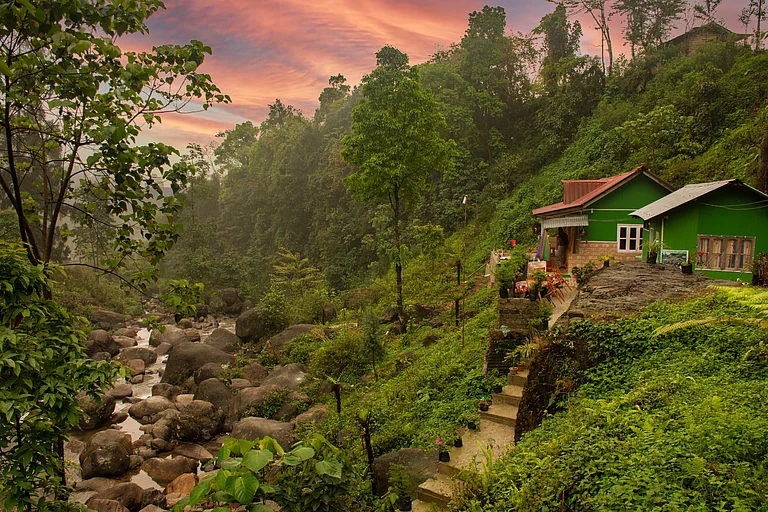
In conclusion, regenerative design represents a transformative approach for the hospitality industry. By moving beyond traditional sustainability to embrace regenerative principles, hospitality businesses can create environments that restore and renew, positively impact the environment and communities, and stand out in a competitive market. As travellers continue to seek out meaningful and sustainable experiences, the integration of regenerative design will become increasingly important in driving the future success of the hospitality industry.
Published At: