The Human Metapneumovirus (HMPV) has been making headlines recently. Its high transmissibility in crowded spaces such as airports and public transport requires some attention. In response, the Indian government is carefully monitoring the situation. However, travellers should also take proactive measures to protect their health during both domestic and international air travel. Here’s everything you need to know about the virus and how you can stay safe while travelling.
The HPMV Virus: Here's How Indian Travellers Can Stay Safe
As a traveler, it’s crucial to take proactive measures to protect your health. Understanding the virus and implementing safety strategies can make a significant difference. Here’s everything you need to ensure a safe journey

Advertisement
About The New HMPMV Virus
According to the Centers for Disease Control and Prevention, CDC, Human metapneumovirus (HMPV) is a significant yet often overlooked virus that can lead to serious respiratory illnesses across all age groups. It can cause problems for young children, older adults, and individuals with weakened immune systems. Since its discovery in 2001, HMPV has been recognised as a member of the Pneumoviridae family, which also includes respiratory syncytial virus (RSV). With advancements in molecular diagnostic testing, there is now heightened awareness of HMPV as a critical factor in upper and lower respiratory infections.
HPMV Symptoms
The symptoms of HMPV include cough, fever, nasal congestion, and shortness of breath, which can escalate to more severe conditions, such as bronchitis or pneumonia. Symptoms resemble those caused by other respiratory viruses, underscoring the need for vigilance. The incubation period for HMPV ranges from 3 to 6 days, and while the duration of illness may vary, it generally mirrors the course of other viral respiratory infections.
Advertisement
Know How It Spreads
Last week, the Indian government called on states to intensify surveillance of respiratory illnesses and promote awareness regarding preventing HMPV transmission. Understanding how HMPV spreads is essential for prevention. By knowing how it spreads, we can take proactive measures to protect ourselves and our loved ones against this infectious threat.
The virus is transmitted from person to person through:
- Coughing and sneezing, which release respiratory secretions.
- Close personal contact, such as touching or shaking hands.
- Contact with contaminated surfaces and then touching the face, particularly the mouth, nose, or eyes.

Mobile apps can helping citizens track viruses Shutterstock
Adopting preventive measures such as covering your mouth and nose when coughing or sneezing, practising frequent handwashing, and wearing masks in crowded settings are crucial.
Mask Up

Travellers are advised to exercise precautions like wearing masks Maridav/Shutterstock
The risk of virus transmission is high in crowded spaces like airport terminals and confined airplane cabins. When you travel, make sure you are wearing a high-quality, well-fitted mask. This can significantly reduce your chances of contracting or spreading HMPV and other respiratory viruses, protecting yourself and those around you.
Advertisement
Physical Distancing

Maintain physical distancing at airports Shutterstock
Maintaining physical distance from others can help reduce the risk of spreading or contracting the virus. Although keeping your distance in crowded airports can be challenging, it's essential to do so whenever possible, particularly during check-in, boarding, and baggage claim. Use contactless options like digital check-ins and mobile boarding passes to minimise physical interaction.
Prioritise Sanitising
Once you board the plane, you'll come into contact with various surfaces. Use disinfectant wipes to clean areas such as tray tables, armrests, seat belts, and entertainment screens.
Hand Hygiene
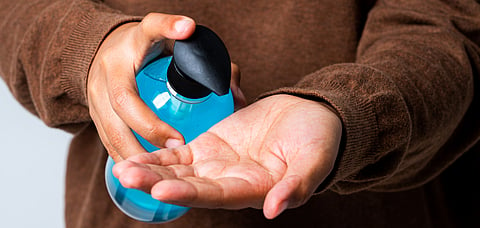
Use an alcohol-based sanitiser Shutterstock
To effectively prevent the spread of the virus, you must practice good hand hygiene by washing your hands. Use soap and clean, running water to protect your health. If soap and water aren’t available, opt for a hand sanitiser that contains at least 60% alcohol to ensure you stay safe.
Published At:
Tags