Mizoram has rolling hills, dense greenery, and a strong cultural identity. It is gradually reshaping the way it welcomes visitors. Travellers are increasingly choosing slower and more meaningful journeys. The state is emerging as a destination where nature and tradition come together in a careful way. Travel here places emphasis on respecting the environment. Local culture remains central to the experience. Visitors are able to engage with the region in an unhurried and grounded manner.
Mizoram Redefines Sustainable Tourism In Northeast India
Mizoram is emerging as a model for sustainable tourism in Northeast India. With its forest-rich landscape, community-led initiatives, and eco-friendly policies, the state is promoting low-impact travel that supports local livelihoods

Advertisement
Sustainable Tourism Model
Mizoram is steadily developing as a sustainable tourism destination. The approach is centred on low-impact, community-driven eco-tourism. The state has 84.53 per cent forest cover, which supports this direction. It is promoting responsible tourism through environmental policies that aim to reduce ecological pressure. Eco-friendly infrastructure, including the Thenzawl Golf Course, is being developed. Community-run homestays are being encouraged to involve local families directly in tourism. Rural tourism is also being supported to ensure that economic benefits reach local communities.
Sustainable Tourism Framework
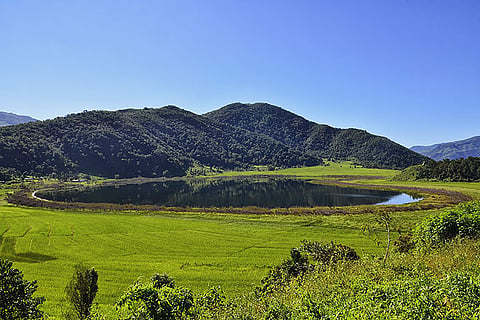
Mizoram is replete with unexplored places Visit Mizoram
Mizoram’s tourism approach is shaped by policy. It also depends on community participation. Environmentally sensitive development is another key element. These efforts have gained importance due to a sharp rise in tourist numbers. The state recorded over 12.68 lakh visitors between 2024 and 2025. Work on the ground is being matched with digital tools. Technology is being introduced to improve management and sustainability. Digital platforms are now used to promote local products. They help connect rural producers with wider markets. This is also supporting a more organised and responsible tourism system. Here are the key pillars of sustainable tourism in the state.
Advertisement
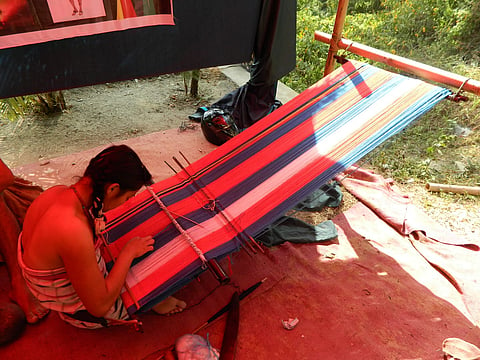
A Mizo weaver at work Mizoram Tourism/Facebook
Policy-Driven Sustainability
Mizoram follows the Mizoram Responsible Tourism Policy 2020. It focuses on sustainable management, socio-economic benefits, cultural impact, and environmental conservation.
Eco-Friendly Infrastructure
Projects such as the Thenzawl Golf Course & Resort under the Swadesh Darshan Scheme reflect development that is designed to blend with the natural landscape.
Community-Led Tourism
Homestays and small, community-run tourism sites are becoming more common. Visitors get a more local experience. Income from tourism also stays within villages and supports local households.
Biodiversity and Culture
Tourism is built around natural landscapes such as hills and waterfalls. Tribal traditions are also an important part of the experience. Visitors are expected to be mindful of nature and local practices.
Adventure and Low-Impact Travel
Hiking, cycling, and cave visits are being encouraged. These activities are designed to keep environmental impact lower than mass tourism.
FAQs
What is Mizoram’s approach to tourism?
Mizoram focuses on sustainable and responsible tourism. It combines environmental protection with community participation and cultural preservation.
Advertisement
How is Mizoram promoting eco-tourism?
The state is supporting homestays, eco-friendly infrastructure, and rural tourism. It also follows strict environmental guidelines under its tourism policy.
What makes Mizoram a sustainable travel destination?
Its high forest cover, low-impact tourism model, and emphasis on local communities make it a strong example of sustainable travel in Northeast India.
What kind of activities can tourists experience?
Visitors can take part in hiking, cycling, cave exploration, and nature-based experiences. These activities are designed to have a low environmental footprint.
How are local communities involved?
Local families run homestays and tourism services. This helps generate income within villages and supports community-based development.

Published At: