A 7.1-magnitude earthquake struck Kyushu, Japan's southern island, on July 28. The quake triggered tsunami alerts, disrupted transport and led to precautionary evacuations in some areas. Centred in Kumamoto Prefecture, it was felt across southwestern Japan and prompted a swift emergency response.
Japan Issues Tsunami Alert After 7.1-Magnitude Earthquake Hits Kyushu; Transport Disrupted
A powerful 7.1-magnitude earthquake struck Japan's Kyushu island on July 28, triggering tsunami alerts, transport disruptions, and precautionary evacuations. Here's what happened and what travellers should know before visiting southern Japan

Advertisement
The Japan Meteorological Agency (JMA) issued tsunami alerts for coastal areas around the Ariake and Yatsushiro seas, warning of waves of up to one metre and urging people to stay away from the shoreline. The alert was later lifted after no significant tsunami was observed. However, officials warned that strong aftershocks could still occur and advised residents to remain vigilant for landslides in areas closest to the epicentre.
Transport Disruptions And Coastal Evacuations Across Kyushu
The earthquake temporarily disrupted transport across parts of Kyushu while safety inspections were carried out. Sections of the Kyushu Shinkansen bullet train network were suspended, flights at Kumamoto Airport were briefly halted, and thousands of households experienced power outages. Mobile phone services were also disrupted in some areas.
Emergency teams inspected roads, bridges, and public buildings following the quake. Authorities reported injuries, structural damage and a number of small fires. More than 150,000 people in coastal and low-lying areas were advised to evacuate as a precaution. Japan's Nuclear Regulation Authority confirmed that nearby nuclear facilities were unaffected.
Advertisement
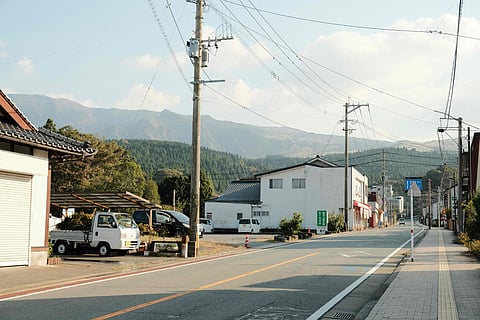
Officials continue safety inspections across Kyushu following the earthquake and subsequent tsunami alert (representational) Unsplash
What Travellers Should Know Before Visiting Southern Japan
Travellers planning to visit Kyushu should expect continued delays as transport operators and local authorities complete safety inspections. Train and flight schedules may remain subject to delays or cancellations, and some coastal areas could remain temporarily closed even after the tsunami warnings have been lifted.
Visitors are advised to check the latest updates from airlines, rail operators, and local authorities before travelling, particularly if they plan to visit Kumamoto or neighbouring prefectures. Those already in Kyushu should follow official guidance, remain alert for aftershocks and familiarise themselves with local evacuation procedures.
FAQs
1. Where did the 7.1-magnitude earthquake occur in Japan?
The earthquake struck near Kumamoto Prefecture on Japan's southern island of Kyushu on 28 July. It was widely felt across southwestern Japan.
2. Was there a tsunami after the Kyushu earthquake?
The Japan Meteorological Agency issued tsunami alerts for coastal areas around the Ariake and Yatsushiro seas, warning of waves of up to one metre. The alerts were later lifted after no significant tsunami was observed.
Advertisement
3. Is it safe to travel to Kyushu after the earthquake?
Travel is continuing, but visitors should expect possible delays to trains and flights while safety inspections are completed. Travellers are advised to monitor official updates before and during their journey.
4. Were airports and bullet trains affected?
Yes. Services on parts of the Kyushu Shinkansen were temporarily suspended, flights at Kumamoto Airport were briefly halted, and transport operators carried out safety inspections before resuming operations.
5. What should travellers do if they are in Kyushu?
Travellers should follow guidance from local authorities, stay informed through official weather and transport updates, remain prepared for possible aftershocks, and familiarise themselves with local evacuation procedures if staying in coastal areas.
Published At:
Tags