The hospitality industry continues to undergo significant changes as today's travellers prefer to travel differently from how they used to. Many travellers no longer just want a place to sleep; they also want an entire experience when they travel away from home. In addition, they would like to connect with the local community and have a unique experience while visiting, rather than just staying in a nice property.
How Hotels Are Redefining The Meaning Of A Stay
The hospitality industry is shifting from standardised rooms to immersive experiences, where design, storytelling, and personalisation shape how travellers remember a stay

Advertisement
Hotels no longer just sell you a room; they also sell you an experience that is based on how well their guests remember the stay when they get home. For example, boutique hotels often work with local artists to create artwork inside and outside the hotel, while larger chain hotels usually offer shopping experiences nearby but don't build lasting relationships with their travellers.
The use of storytelling, culturally relevant connections, and authentic experiences has become the cornerstone of how these hotels are creating unforgettable experiences. So, to create lasting connections between their guests and themselves, hotels are designing features for their small, boutique-style properties. For instance, showcasing their local culture and allowing guests to participate in themed events or activities while they are staying at the hotel.
A major factor in our overall appreciation of the environment we live in is the atmosphere and ambience within which we exist. Compared to conventional hotels (especially major chains), boutique hotels have their own unique style and identity, with individual property designs and hotel amenities rather than adhering to standard design models established by large chain operators. Boutique hotels pride themselves on being different and offering their guests a unique experience. Boutique hotels also have a clear understanding of modern, sophisticated travellers, who are characterised by an emphasis on detail and a desire for a comfortable, intimate environment, making them very appealing to those who enjoy the personal service offered at boutique hotels.
Advertisement
Personalisation Meets Technology
In the current hotel industry, personalisation is one of the most important factors influencing how guests feel welcome. To this end, hotels utilise data and advanced technology to anticipate their guests' needs and provide personalised services, such as customised room settings, recommended restaurants, and activities, to make their stay memorable. The ability to create a comfortable environment for guests through these means is essential to an establishment's success.

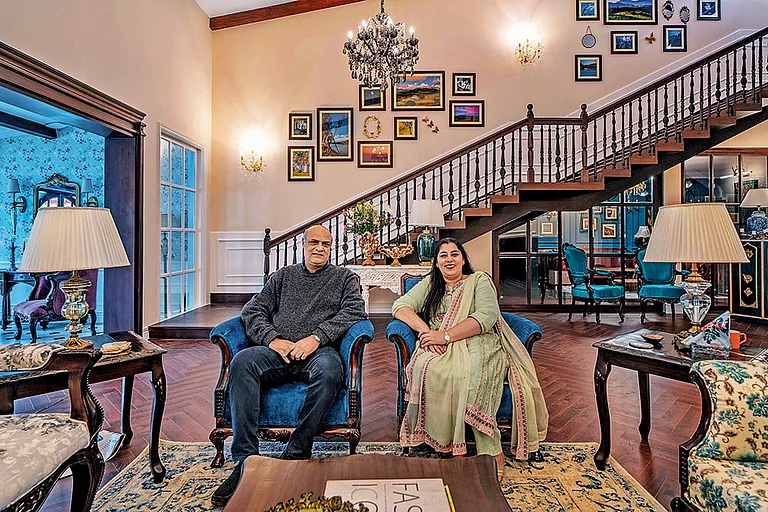
The hospitality industry is shifting towards experience-led stays Rubystone Hospitality
Location and design are equally important in meeting each traveller's needs. Today's travellers desire locations that are not only convenient but are also aesthetically pleasing. Beautifully designed hotels not only enhance our overall experience while we are staying with them but also enrich our enjoyment of their visual aspects. Hotels that are located in desirable locations, thoughtfully designed, and perform at high levels in everything from accessibility and comfort to atmosphere and ambience have a great opportunity to earn our business again in the future.
Advertisement
Leaps in technology have greatly aided in this transition to a digitised environment within the hospitality industry. By leveraging digital check-in, smart room controls, and AI-driven guest services, the hospitality industry can operate more efficiently and deliver a better guest experience. Technology enables hotels to streamline operations while enhancing guest service. The use of technology increases the speed and responsiveness of service provided while also resonating with today's travellers' expectations.
Short Escapes and the Experience Economy
Additionally, the rise of experiential stays has been further fuelled by an increase in urban travellers' interest in weekend getaway trips. Travellers are busy and want short, quick breaks that let them unwind without much planning. As a result, there has been significant growth in the number of nearby destination properties that offer enriching opportunities within limited timeframes.
The issue of sustainability has also become an increasingly influential factor in traveller decisions. Currently, there is a growing focus on environmentally sustainable practices among today's travelling consumers when choosing which brands they wish to associate with, wanting brands that represent their own values. Hotels have begun incorporating environmentally friendly practices, such as waste reduction, energy conservation, and support for local communities, to show their guests that they are dedicated to sustainability. When sustainability is combined with the complete guest journey, it provides guests with an additional layer of value.
Advertisement
As travellers' needs and wants continue to change, hospitality brands are evolving to offer more flexible, experiential services that meet them. An example of this would be hybrid functionality that can accommodate both work and play.
To date, the guest experience has quickly become the key differentiating factor for hospitality brands. With so many hospitality brands to choose from, the one thing that will differentiate any hotel brand from its competitors is the ability to create memorable, personalised, and emotionally connected experiences. Hotels that embrace this change not only meet current accommodation demand but also have the ability to shape the future of travel.
The emergence of experiential stays illustrates that, as a society, we are entering a new era of hospitality. More than just where you sleep, your perception of your stay will depend entirely on how you feel during and after the experience. And in this new era, those feelings will ultimately define what you consider "value."
Advertisement

Aesthetically pleasing design and carefully considered guest experiences are redefining hospitality Shutterstock
FAQs
1. What are experiential stays in hospitality?
Experiential stays focus on creating memorable, immersive experiences through design, culture, and personalised services rather than just accommodation.
2. Why are experiential stays becoming popular?
Modern travellers seek authentic, meaningful experiences, including local culture, storytelling, and personalised interactions.
3. How do boutique hotels differ from chain hotels?
Boutique hotels emphasise unique design, local identity, and personalised service, while chain hotels often follow standardised formats.
4. What role does technology play in modern hospitality?
Technology enables digital check-ins, smart rooms, and personalised recommendations, improving both efficiency and guest experience.
5. How is sustainability influencing hotel choices?
Travellers increasingly prefer hotels that adopt eco-friendly practices, including energy conservation and community engagement.
Mehardeep Singh is the General Manager – Corporate Affairs of Rubystone Hospitality.
Published At: