Gorakhpur, long known for its centuries-old terracotta craft (which holds a GI tag), is set to be developed into a ‘Special Tourist Village’ under a state project of around INR 1 Crore. The plan is aimed at giving a push to rural tourism in the area, supporting local artisans, and offering visitors a closer look at how the traditional craft is made, while also helping to preserve the region’s cultural heritage.
Gorakhpur Terracotta Village To Be Developed As Craft Tourism Hub
Aurangabad village in Gorakhpur, known for its GI-tagged centuries-old terracotta craft, is being developed as a ‘Special Tourist Village’ under an INR 1 Crore state project aimed at boosting rural tourism and supporting local artisans

Advertisement
Craft Hub And Development Work
The project is located in the Bhathat area of Gorakhpur in Aurangabad, and is being developed under the supervision of Construction and Design Services (C&DS). It includes improved signage, a new gate complex and wider upgrades to basic infrastructure, aimed at making the village more accessible to visitors.
Aurangabad’s terracotta tradition is central to the plan. The village is known for its hand-moulded pottery made from natural clay, locally referred to as “Kabis”, collected from nearby ponds. This gives the finished products a distinctive deep red colour and texture that sets them apart.
More than 200 households are involved in the craft, producing a range of items including animal figures such as horses and elephants, religious idols, traditional lamps and everyday decorative objects. Visitors are expected to be able to observe the full process — from preparing and shaping the clay to drying and firing it in specially designed kilns.
Advertisement
The initiative also aligns with the state’s One District One Product (ODOP) scheme which aims to promote local specialities and improve market access for artisans.
Tourism And Sustainable Heritage
The village is being positioned as a “living craft centre”, where visitors will be able to see artisans at work and follow the stages of production in real time, from shaping the clay to firing it in traditional kilns. Officials hope this will turn routine craft activity into a more interactive tourism experience.
At the same time, the focus is on keeping the craft environmentally sustainable and rooted in local tradition. Terracotta production here relies on natural materials and age-old techniques, and continues to provide a source of income for many families in the village, including women who are actively involved in the work. The initiative is also seen as a way of preserving skills that have been passed down through generations, while giving them a more stable economic future.
Advertisement
However, craft tourism does not always work out. In some places, the push to cater for visitors can change how crafts are made. Quicker methods can replace more traditional techniques. Many artisans still rely on middlemen, and basic infrastructure is often patchy, leaving communities exposed when tourist numbers fall.
Clay Craft
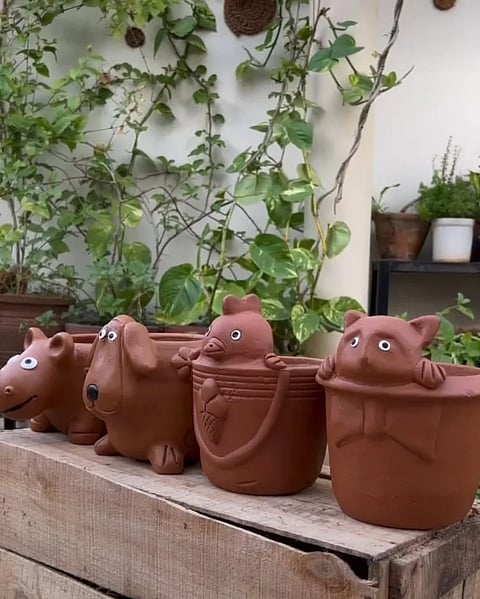
In Gorakhpur, skilled local artisans use specialised Kabis clay to craft items gorakhpur_terracotta_akp/Instagram
In Gorakhpur, skilled local artisans use specialised Kabis clay to craft intricate sculptures, pots, and animal figurines.
The pottery tradition is said to date back to the Indus Valley era. It is characterised by unique hand-moulding and natural baking techniques. The process is eco-friendly, using natural materials and traditional, sustainable craftsmanship.
Artisans use Kabis clay, a specific soil found in the Bhathat area of Gorakhpur, which gives the products a distinct natural red colour and texture. The community is skilled in making intricate and innovative shapes using natural dyes.
Prominent Terracotta Regions
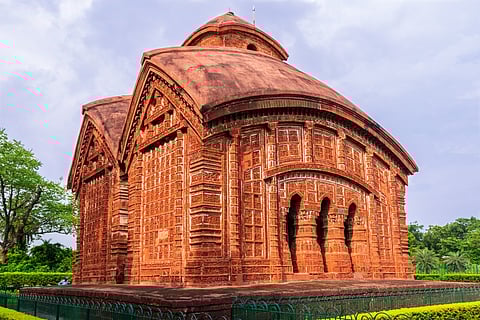
A terracotta temple in Bishnupur DebaDpl/Shutterstock
Terracotta craft in India, meaning “baked earth”, is an ancient tradition dating back thousands of years, in which natural clay is shaped and fired to produce a wide range of objects. From early Indus Valley figurines to contemporary decorative pieces, it spans items such as idols, household utensils, tiles and jewellery. Distinct regional forms have developed over time.
Advertisement
West Bengal (Bankura and Bishnupur): Known for the well-recognised Bankura Horse, along with detailed terracotta work seen in temple architecture.
Chhattisgarh (Bastar): Famous for handcrafted tribal figures of animals, birds and deities, deeply rooted in local cultural traditions.
Tamil Nadu: Known for creating large, hollow, ceremonial terracotta horses.
Uttar Pradesh (Gorakhpur): Renowned for handmade functional and decorative items such as diyas (lamps).
Nizamabad Black Pottery (Uttar Pradesh): A GI-tagged smoky black pottery inlaid with silvery metal powder.
Rajasthan (Jaipur): Known for blue-glazed and painted terracotta products.
FAQs
What is the Aurangabad village project in Gorakhpur about?
It is a state-backed initiative to develop Aurangabad village as a ‘Special Tourist Village’, aimed at promoting rural tourism while supporting its traditional terracotta craft industry.
Where is the project located?
The project is based in the Bhathat area of Gorakhpur district in Uttar Pradesh.
What is special about Aurangabad’s terracotta craft?
The village is known for its hand-moulded pottery made from natural clay sourced from local ponds. The clay gives the products a distinctive deep red colour and texture.
Advertisement
How many people are involved in the craft?
More than 200 households in the village are engaged in producing terracotta items, including animal figures, idols, lamps and decorative objects.
Can visitors experience the craft process?
Yes. The project is designed so visitors can observe the full production cycle, from clay preparation and shaping to drying and firing in kilns.
Is the project linked to any government scheme?
Yes. It is aligned with the One District One Product (ODOP) scheme, which promotes local specialities and aims to improve market access for artisans.
What is the expected benefit of the project?
It is expected to boost tourism, improve income opportunities for artisans, strengthen branding of the craft, and help preserve traditional skills.
Published At: