For generations, Germany’s image as a travel destination was shaped by fairy-tale castles, royal palaces, classical composers, and romantic landscapes. Neuschwanstein Castle, often associated with the Cinderella story, became one of the country’s most recognisable symbols abroad. So did the legacy of composers such as Beethoven and centuries of royal history woven into castles, gardens, and historic towns.
Germany Is Rewriting Its Tourism Story—And It Wants Travellers To Look Beyond The Castles
Germany is repositioning itself beyond fairy-tale castles and royal heritage. Through culture, sustainability, nature, and authentic local experiences, the country is crafting a tourism identity designed for the way people travel today

Advertisement
Those associations remain powerful. But Germany is increasingly telling a broader story.
At the fifth Incoming & Brand Summit of the German National Tourist Board (GNTB) in Frankfurt, tourism leaders outlined how the country is adapting its international positioning to reflect changing traveller expectations. While heritage remains central to Germany’s appeal, the focus is expanding to include sustainability, cultural diversity, nature, quality of life, and authentic local experiences.
The shift reflects a larger transformation in global travel. Visitors are no longer choosing destinations solely for landmark attractions; they are increasingly looking for places that offer meaningful experiences, a strong sense of identity, and opportunities to engage with local culture.
A Destination Defined By Culture And Nature
Germany’s tourism authorities believe one of the country’s greatest strengths lies in the coexistence of cultural richness and natural beauty.
The country is home to 55 UNESCO World Heritage sites, more than 6,000 museums, over 80 opera houses and a network of historic cities that span centuries of European history. Yet some of Germany’s most significant tourism assets lie beyond its urban centres. Smaller towns, vineyard landscapes, abbeys, castles, cultural routes, and rural communities are playing an increasingly important role in shaping the country’s appeal to international visitors.
Advertisement
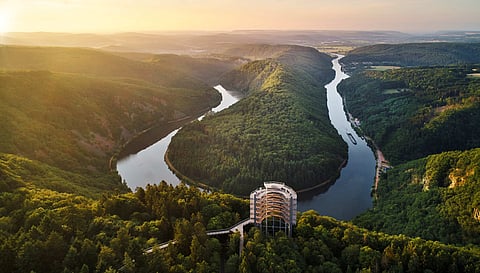
Mettlach GNTB
Petra Hedorfer, chief executive officer of the GNTB, said Germany’s extensive conservation efforts have become an equally important part of the country’s identity.
Around 36 per cent of Germany is protected by national parks, nature reserves and other conservation measures, she explained, citing decades of environmental legislation that have helped preserve the country's landscapes.
That combination of heritage and nature appears to resonate strongly with travellers. According to research commissioned by the GNTB, exploring cultural heritage and sightseeing remain the leading motivations for visiting Germany, followed by experiencing local cuisine, museums, and galleries.
The country’s dominance in cultural tourism is reflected in visitor numbers. Germany accounted for 20.8 million of the nearly 199 million cultural trips made by Europeans in 2025, retaining its position as Europe’s leading cultural travel destination for the eleventh consecutive year.
From Romantic To Fascinating
The evolution of Germany’s tourism brand is also reflected in how international travellers describe the country.
Advertisement
For years, Germany’s image abroad was closely tied to romanticism—castles, kings, composers, and storybook landscapes. Those associations remain, but newer perceptions are emerging alongside them.
“People say, first and foremost, that Germany is fascinating,” Hedorfer said. “It is educational, exciting and relaxing. Yet there is still a sense of romance associated with the country.”
The change is visible in international brand studies. Germany continues to rank among the world’s strongest nation brands and remains one of the ten most popular tourism destinations globally. In the latest Nation Brands Index, the country received particularly strong ratings for its vibrant cities, historic buildings, and cultural offerings. Respondents frequently associated Germany with being engaging, educational and exciting, while also describing it as relaxing and romantic.
For tourism officials, the challenge is not replacing one image with another, but broadening the narrative to reflect the diversity of experiences available across the country.
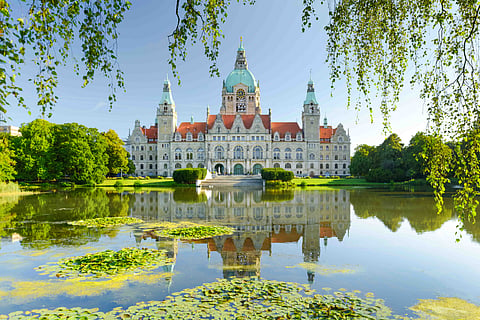
New Town Hall, Hannover GNTB
Why Safety Is Becoming A Key Tourism Asset
Advertisement
As destinations compete for international visitors, another factor is increasingly influencing travel decisions: safety.
According to Hedorfer, travellers today place greater emphasis on security and stability than they did in previous years.
“People want to travel, and they love to travel, but safety matters more than ever,” she said.
The observation aligns with broader industry trends. Recent geopolitical tensions and economic uncertainty have encouraged travellers to make shorter-term booking decisions and favour destinations perceived as reliable and well-connected. According to the GNTB, Germany’s reputation as a safe, service-oriented destination has helped maintain its appeal despite volatility in global travel markets. International overnight stays continued to rise in early 2026, while industry forecasts point towards further growth from both European and long-haul markets.
That resilience is particularly significant at a time when travel behaviour is being reshaped by multiple factors, from economic pressures to climate concerns.
Looking Beyond Peak Summer Travel
Advertisement
Climate change is also beginning to influence how destinations think about tourism promotion.
Across Europe, conversations around shoulder-season travel and alternative summer destinations have intensified as heatwaves become more frequent. Germany is no exception, though Hedorfer believes the country’s appeal extends beyond the idea of being a cooler alternative.
“I would not call it a coolcation because we also experience high summer temperatures,” Hedorfer told Outlook Traveller.
Instead, she pointed to Germany’s diverse landscapes—from the Black Forest and the Allgäu region to the areas around Lake Königssee—as destinations that offer outdoor recreation, hiking, and nature-focused experiences.
Different source markets respond to different travel motivations, she noted, adding that the GNTB is keen to understand whether Indian travellers may increasingly consider off-season and shoulder-season travel as they seek alternatives to extreme summer conditions.
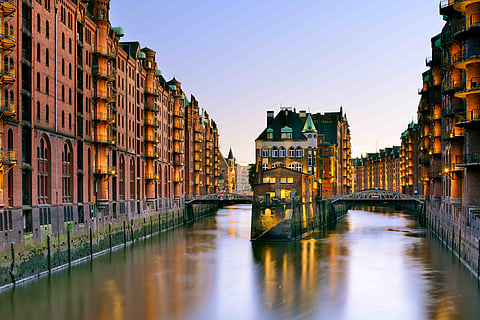
Hamburg GNTB
The Next Chapter Of Destination Germany
The theme of this year’s summit—“Innovative. Authentic. Liveable.”—captures the direction Germany wants its tourism brand to take.
Advertisement
The country continues to invest heavily in digital tourism initiatives, cultural campaigns, and international marketing efforts. At the same time, it is promoting a vision of Germany that extends beyond iconic landmarks and famous cities. Rural destinations, regional food traditions, contemporary culture, sustainability initiatives, and everyday local experiences are becoming increasingly prominent in the country’s tourism messaging.
The fairy-tale castles remain. So do the palaces, museums and historic city centres that first drew generations of visitors.
But Germany’s tourism leaders believe travellers are now looking for something more layered: destinations that combine culture with nature, heritage with innovation, and iconic attractions with authentic experiences.
Germany’s evolving tourism story is built on exactly that balance.
FAQs
Q1. Why is Germany promoting tourism beyond castles and heritage sites?
Germany is expanding its tourism narrative to include sustainability, nature, local culture, food experiences, and lesser-known destinations alongside its famous castles and historic landmarks.
Advertisement
Q2. What are Germany’s biggest tourism attractions today?
Germany's key attractions include UNESCO World Heritage Sites, museums, historic cities, the Black Forest, Lake Königssee, cultural routes, vineyards, and contemporary urban experiences.
Q3. Is Germany a good destination for cultural tourism?
Yes. Germany remains Europe's leading cultural tourism destination, offering thousands of museums, opera houses, heritage sites, festivals, and historic towns.
Q4. How is Germany focusing on sustainable tourism?
Germany promotes protected natural landscapes, national parks, eco-friendly travel initiatives, regional tourism, and year-round travel to reduce pressure on peak-season destinations.
Q5. What makes Germany appealing to modern travellers?
Modern travellers are increasingly drawn to Germany's mix of culture, nature, safety, authentic local experiences, sustainability initiatives, and well-developed tourism infrastructure.

Published At: