India’s Union Budget 2026 will be presented on February 1, 2026, with expectations high across industries, ranging from infrastructure to hospitality. The travel and tourism sector, particularly domestic travel, stands to be importantly influenced by financial policy, tax reforms and targeted initiatives that can accelerate growth, boost income generation, and broaden opportunities for travellers and service providers alike ahead of what promises to be a rich year for the Indian economy.
Budget 2026 India: What It Means For Domestic Travel And Tourism Growth
Budget 2026 will shape India’s travel and tourism landscape as the government focuses on infrastructure, tax reform, hospitality expansion, and workforce development to fuel domestic travel demand and long-term sector growth

Advertisement
Domestic Tourism As The Backbone Of India’s Travel Sector
India’s travel and tourism industry has been on a speedy growth trajectory, with domestic travel systematically outpacing global arrivals in volume and economic impact. Modern reports show domestic visitor spending rising crisply in recent years, forming a large share of gross tourism revenue and underscoring how India’s own travellers are driving the sector’s resilience and recovery. This trend underlines why the Budget 2026 is expected to prioritise measures that reduce travel costs, enhance connectivity, and strengthen the tourism ecosystem within the country.
The upcoming Union Budget arrives against a backdrop of powerful macroeconomic performance, with modern advance estimates suggesting India’s GDP could grow around 7.4 per cent in FY26. This hints at expansion of consumer spending and discretionary travel budgets. Tax reforms like continued rationalisation under GST 2.0 and increased income tax relief have been discussed as ways to boost available income, which often translates into higher travel and tourism demand.
Advertisement
Infrastructure And Connectivity: Foundation For Travel Expansion
Improved infrastructure, air, rail, and roads, is essential for tourism growth. While special tourism allocations for Budget 2026 are yet to be confirmed, earlier budgets allocated important resources (over INR 2,500 crore in 2025-26) for infrastructure, travel facilitation, and destination development across states in partnership with local governments. Increased connectivity limits travel times, thereby unlocking the latest domestic destinations, making travel further accessible. Expanding airports’ capacity, upgrading road corridors, and improving rail travel entirely contribute directly to domestic tourism growth potential.
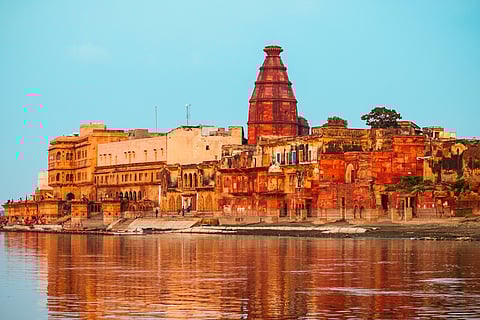
Krishna Temple at the Keshi Ghat on Yamuna river in Vrindavan Shutterstock
Tourism Workforce And Sector Skills Development Expectations
Industry stakeholders have urged the ministry of finance to prioritise tourism and hospitality skill development in the Budget 2026 so as to ensure that service quality keeps pace with higher visitor numbers. Skill councils and businesses are calling for budget support for up-to-date training modules, territorial hospitality skill centres, and extended apprenticeship pathways that align with industry needs. This, in turn, will clearly establish the fact that a strengthened workforce not only improves visitor satisfaction but also enhances employment opportunities in the sector.
Advertisement
GST, Taxes And Cost Of Travel
GST rationalisation continues to be a focal point for both tourism and hospitality businesses, with demands for lower tax rates on stays, food services, and travel products to reduce gross travel costs. The industry has also renewed calls for ‘industry status’ for travel and tourism to give way to lower financing costs and credit access. If reflected in Budget 2026, these financial reforms could stimulate further domestic travel by lowering prices for customers and improving profitability for service providers.
Hospitality, Accommodation And Experience Trends
Domestic tourism is progressively linked to hospitality growth, with hotel room rates projected to rise modestly in 2026 due to uninterrupted travel demand and corporate travel. As India’s travellers seek suggestive and experience-oriented journeys, such as cultural immersion, wellness retreats, heritage circuits, and nature-led trips, ancillary budget policies can help bring up various offerings that meet evolving traveller preferences.
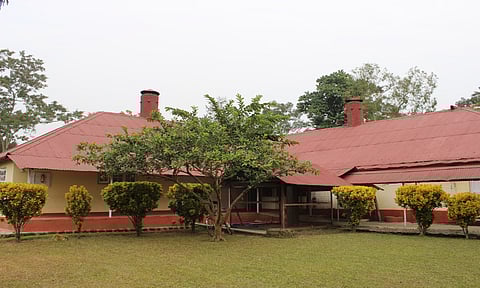
Wathai Heritage Bungalow purvidiscovery
Even as the Union Budget sets national priorities, state and topical initiatives will complement central policy to boost domestic travel. Modern tourism campaigns, infrastructure grants for hill stations, and curated cultural circuits are already underway in states like Himachal Pradesh and Maharashtra. This accentuates the idea of how open efforts at multiple levels can amplify the impact of national financial policy.
Advertisement
Budget 2026 presents an opportunity for the Indian government to reaffirm tourism’s role in economic growth, employment creation, and cultural connectivity. By focusing on infrastructure, fiscal incentives, skills development and targeted tax reforms, the Budget can further unleash the potential of domestic travel, making exploration within India further affordable, available and sympathetic to millions of people. As policymakers finalise figures ahead of the February 1 presentation, the tourism sector’s expectations reflect both economic pragmatism and an ambitious vision for the years ahead.
FAQs
How will Budget 2026 impact domestic tourism in India?
Budget 2026 is expected to boost domestic tourism through better infrastructure, improved connectivity, tax reforms and targeted tourism initiatives.Why is domestic travel important for India’s tourism sector?
Domestic travellers contribute the largest share of tourism revenue and help stabilise the sector during global travel fluctuations.Will Budget 2026 reduce travel costs for Indian travellers?
Possible GST rationalisation, tax relief and improved connectivity could lower overall travel expenses for domestic tourists.What role does infrastructure play in tourism growth?
Upgraded airports, roads and railways reduce travel time, open new destinations and make domestic tourism more accessible.How can Budget 2026 support hospitality and tourism jobs?
Increased funding for skill development, training centres and apprenticeships can improve service quality and generate employment.
Advertisement
Published At: