

“Wherever You Go, There You Are” by Jon Kabat-Zinn is a grounding repository of meditations, but the title of the book also reflects an undeniable universal truth. We can never escape ourselves.
Perhaps that’s the greatest flaw in the way solo travel has been packaged over the years. It sells you the idea that you can get away. The truth is, you may be travelling by yourself, but your fears, longings, thoughts, grief and everything else that is part of your interior experience come along.
Nothing could have given me greater insight into this universal truth than my very first solo trip nearly a decade ago. I had taken “quit your job and take a solo trip” a bit too seriously, and there I was, fresh out of my advertising job, on my very first solo trip across Paris and Berlin. Needless to say, the romantic idea of a solo trip with all the logistical preparation but no emotional seatbelt didn’t have a happy ending. Left alone with my inner demons, I found myself lost, lonely, confused, under-slept and most of all, scared. The language barrier (both in Paris and Berlin) alienated me further.
My favourite anecdote from that trip involves a sleepless night.
When My First Solo Trip Went Wrong
So, as the story goes, I was staying with an acquaintance who lived alone in a migrant German colony in Berlin. She lived in a room that seemed to have come alive from a Charles Dickens’s novel—think Mrs Havisham’s castle. The room she and I shared had hauntingly high ceilings, white net curtains bordering on yellow, as if weathered by time, and a massive cello. On its own, the room was charming, but all these elements took on a very different meaning when, at night, my friend revealed that she sleeps with the balcony door open—that is when I found out her balcony faced a graveyard. The room with the yellow net curtains, the cello, the hauntingly high ceilings now also had the night view of a graveyard—needless to say, I didn’t sleep that night and left Berlin soon after. And that was the miserable end of my first solo trip.
This incident stayed etched in my memory, and it took me years to take a conventional solo trip again. I did go to Banaras all alone recently, but, on a lighter note, I also made sure that my room didn’t overlook Manikarnika Ghat or anything even remotely triggering. Fortunately, between Berlin and Banaras, I have discovered the richest way of travelling solo—group travel with people from all walks of life. It gives me the best of both worlds—I have my own personal time and, additionally, a community to share my thoughts, feelings and experiences with.


Over the years, I have travelled solo with groups to Bhutan, where I also did the Tiger’s Nest Trek; I have attended retreats in Goa and Sasan-Gir; I have explored the villages of Gujarat, done two high-altitude treks, one in Manali and the other on the Nepal border, and yes, also paraglided from Billing, with the encouragement of people I had met as strangers. The evolving nature of solo travel made sure that I could continue to travel, even when friends, partner and family were not available to travel. What began as a circumstance at one point is now a choice I relish. I have begun to love my group solo trips.
A New Kind Of Togetherness
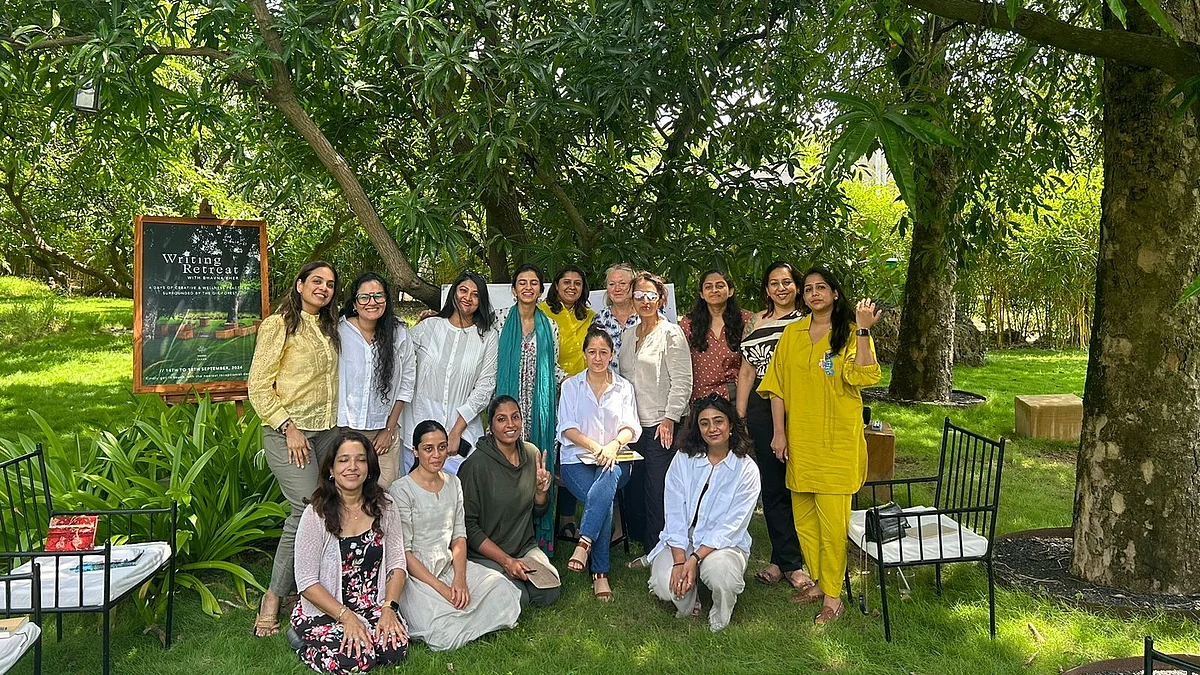
While this has been my own lived experience with solo travel, I do believe that solo travel with a community is also becoming a universal experience. I have noticed it while hosting my own Writing Retreats. Over the years, nearly 70 per cent of participants have come on their own. These are people in their mid-to-late thirties, forties and some even in their fifties. Many of them are married; quite a few have children—a statistic unheard of just a few years ago in India. People either travelled solo before they were committed or travelled solo if they were not in a relationship. What I find particularly interesting is how couples are exploring their individual identities within relationships, giving each other space to experience their inner and outer worlds independently and, in that sense, redefining togetherness.
Another interesting observation is that group trips leaning towards the adventure side have more solo male participants, while those leaning towards more reflective activities, such as writing, have marginally more female participants. I do feel this is more of a subconscious choice made by participants, and more conversations about the gender neutrality of these group travels in the coming years can help balance the percentage.
Ultimately, there is no denying that solo travel has undergone its own journey. Today, it is no longer only about travelling alone but having the freedom to go on your own and the openness to return with lifelong connections.
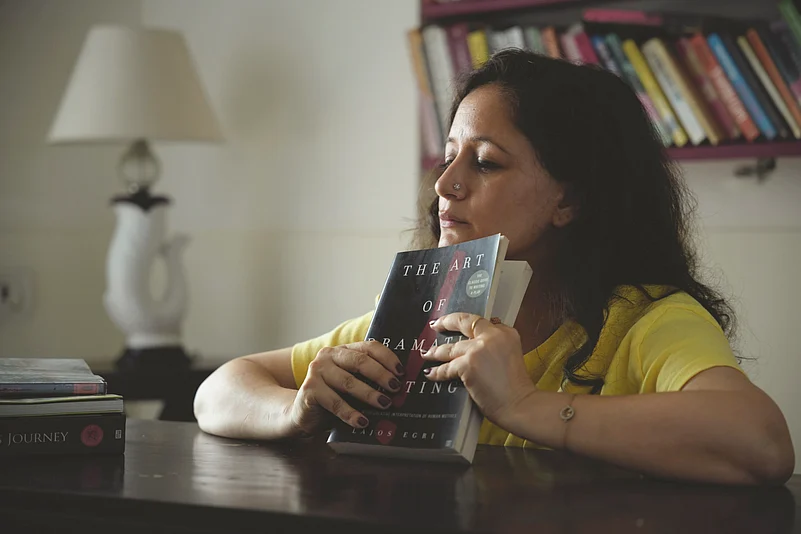
Bhavna Kher is the screenwriter for Netflix’s Dabba Cartel and the curator and host of Writing Retreat. The next retreat will be held at the Terma Linca Resort and Spa in Bhutan from December 1 to 6.
FAQs
1. What is group solo travel?
Group solo travel involves joining an organised trip independently, without friends or family, and travelling with a group of people who may initially be strangers.
2. How is group solo travel different from traditional solo travel?
Traditional solo travel usually involves planning and exploring independently. Group solo travel combines personal independence with shared activities, organised itineraries and opportunities to form connections.
3. Why are more people choosing group solo trips?
Group solo trips allow travellers to explore even when friends or family are unavailable. They also provide companionship, logistical support and opportunities to meet people with shared interests.
4. Is group solo travel suitable for first-time solo travellers?
Yes. Travelling with an organised group can make the experience more comfortable for first-time solo travellers, while still allowing them to make independent choices and enjoy personal time.
5. Can couples and married people go on solo trips?
Yes. Solo travel is not limited to people who are single. Couples and married travellers can take independent trips to pursue personal interests, meet new people and enjoy experiences outside their usual routines.