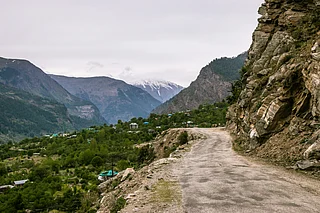


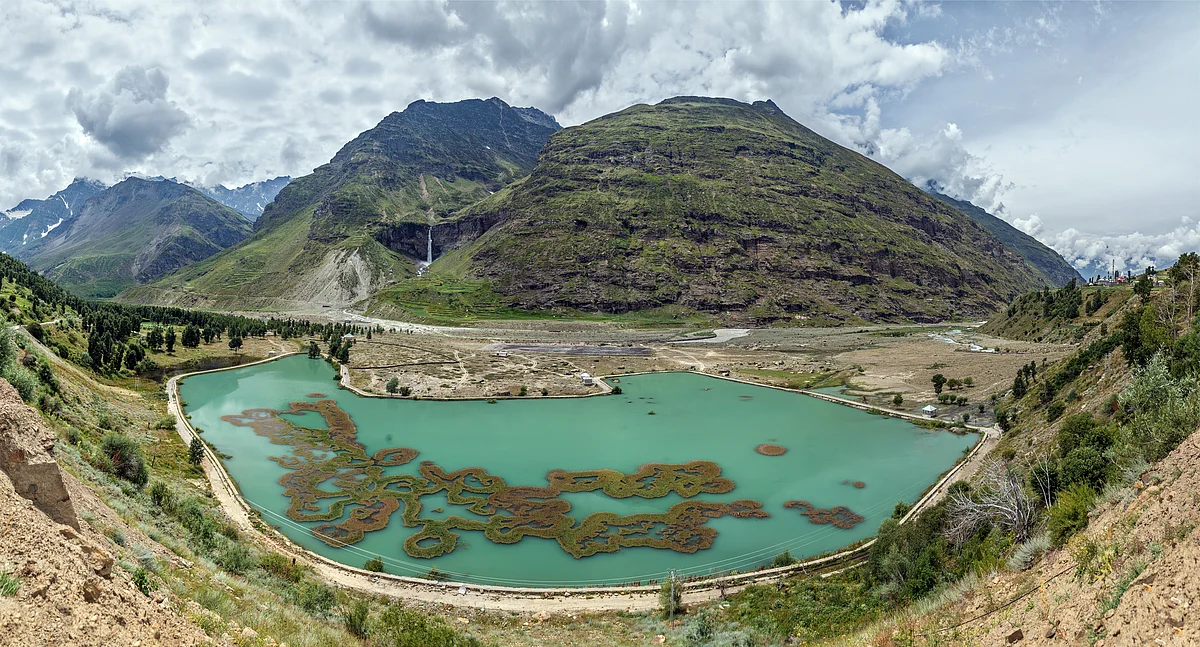
Tucked away in the remote Lahaul Valley of Himachal Pradesh, the town of Sissu in Lahaul-Spiti district is known for its beautiful landscapes, waterfalls, and a man-made lake. Sissu serves as a gateway to Ladakh, Spiti, and Lahaul. You can go hiking, camping, and indulge in cultural experiences. Recently, authorities announced that tourism activities in Sissu will be suspended for 40 days, from January 20 to February 28, as the local gram panchayat takes measures to protect the area’s religious traditions and cultural heritage.
Temporary Tourism Suspension: What’s Happening?
Tourism in Sissu, one of Lahaul Valley’s busiest winter destinations, will be suspended for 40 days, from 20 January to 28 February. The decision has been taken collectively by village elders, religious bodies, and the Sissu Gram Panchayat to ensure uninterrupted observance of sacred winter festivals, including Losar (Tibetan New Year) and the Halda festival. Both of these hold deep spiritual significance for the local community.
The restriction was formally shared through a public announcement on X by the village leadership. Rajeev Kumar, Gram Pradhan of Sissu, posted on X: “All tourism activities in Gram Panchayat Sissu, Lahaul-Spiti will remain suspended for 40 days from 20th Jan to 28th Feb. The decision has been taken in view of the region’s religious and cultural observances (including the Halda festival) and to ensure peace and sanctity.”
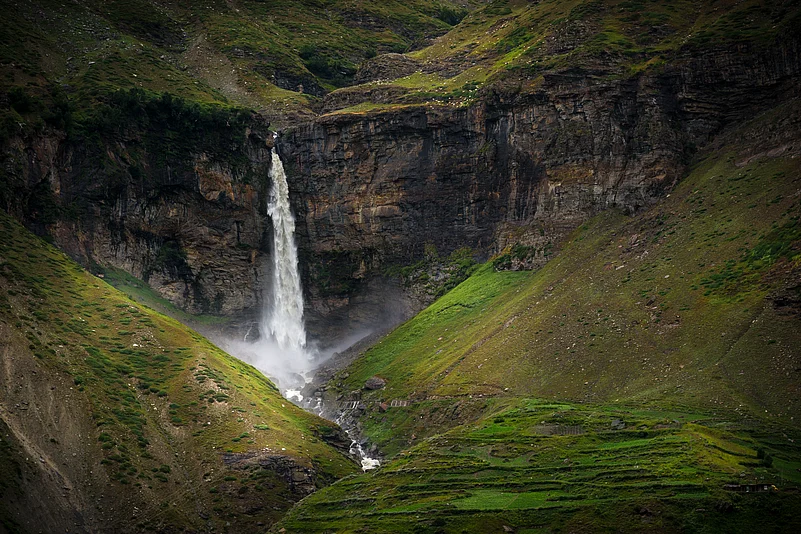

Gateway To The Himalayas
Perched at approximately 3,150 meters in Himachal Pradesh’s Lahaul Valley, Sissu has evolved from what was once a tranquil hamlet into a sought-after destination in the Himalayas, following the opening of the Atal Tunnel in 2020, which drastically shortened travel from Manali. The village is known for its stunning Himalayan landscapes, Sissu Lake, and beautiful waterfalls fed by glacial streams and the Chandra River. It also serves as a gateway to Ladakh, Spiti, and other high-altitude regions.
Why The Ban Was Imposed: Rituals And Devotion
Sissu is home to the Raja Gyephang temple and offers a window into the region’s rich Buddhist heritage and spiritual traditions. For locals, late January and February hold deep spiritual significance, marked by Losar (Tibetan New Year) and the Halda festival, a ritual celebrating the triumph of light over darkness.
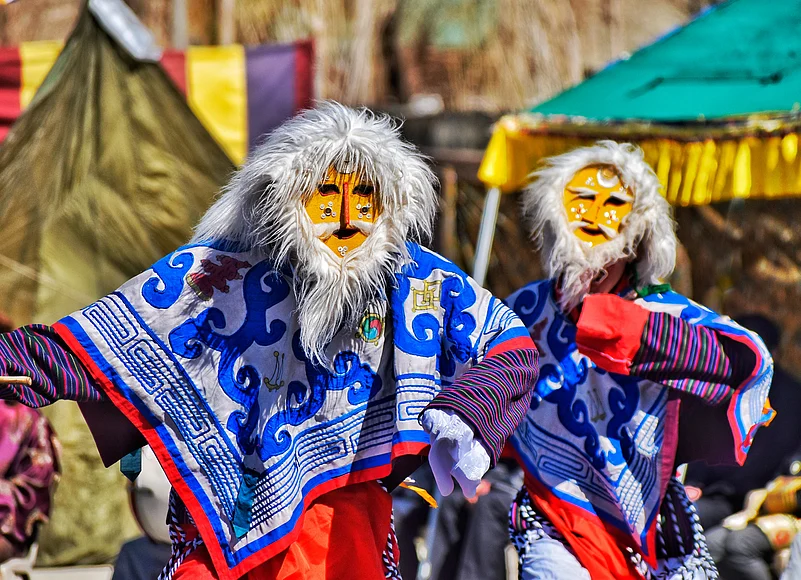
Losar And Halda Festivals
Locals believe that the presence of outsiders during this period can disrupt the spiritual atmosphere needed for ceremonies dedicated to deities. During this period, Sissu observes a traditional phase of spiritual seclusion, prioritising rituals and community gatherings over tourism. Read more about the place in our travelogue here.
Balancing Tourism And Tradition
Balancing tourism and tradition means managing the economic benefits of visitors while safeguarding cultural heritage and the environment. This requires sustainable practices such as community involvement, responsible infrastructure, visitor management, and respect for local customs. The temporary ban on tourists in Sissu during sacred winter festivals is a good example of this balance, ensuring spiritual and cultural sanctity while setting limits on tourism.
(With inputs from various sources.)
FAQs
Where is Sissu located?
Sissu is a village in the Lahaul Valley, part of Himachal Pradesh’s Lahaul and Spiti district, at around 3,150 meters (10,330 ft) above sea level.
How can I reach Sissu?
Sissu is easily accessible from Manali via the Atal Tunnel, which significantly reduces travel time to this Himalayan destination.
What are the main attractions in Sissu?
Key highlights include Sissu Lake, waterfalls, panoramic Himalayan views, and the Raja Gyephang temple, showcasing local spiritual traditions.
When is the best time to visit?
Sissu offers lush landscapes in summer and snowfall in winter (December to February), providing different seasonal experiences.